




SCAQMD Officials Say Ruling Does Not Prevent Them From Imposing Standards on Publicly Owned Vehicles
Despite this week's U.S. Supreme Court ruling, Southern California air pollution officials say they will still attempt to require most large-vehicle fleets to buy low-polluting trucks and cars.
LOS ANGELES -- Despite this week's U.S. Supreme Court ruling, Southern California air pollution officials say they will still attempt to require most large-vehicle fleets to buy low-polluting trucks and cars — a move that is certain to spark more court battles with industry groups, according to an April 29 article in the Los Angeles Times. On April 28, the U.S. Supreme Court invalidated rules that had allowed the South Coast Air Quality Management District (SCAQMD) to require private trash haulers, bus lines, and other covered fleets to buy low-pollution vehicles. But SCAQMD officials maintain the ruling does not bar them from imposing the same requirement on publicly owned fleets or on private firms that provide city services — a contention hotly disputed by the engine manufacturers that prevailed in the lawsuit decided Wednesday. Manufacturers of diesel engines, along with an oil industry group, sued the SCAQMD because it had barred the owners of the private fleets from buying their products in the greater Los Angeles area, despite advances in clean diesel technology. The U.S. Supreme Court concluded that the air quality management district had overstepped its authority under the Clean Air Act. Industry groups now say the decision should clear the way for street sweepers, bus lines and others bound by the rule to buy new diesel engines that emit far less pollution than older models. But South Coast Air Quality Management District officials firmly maintain that the new diesel engines, although improved, are still far from clean compared with alternatives such as engines that burn natural gas, according to the L.A. Times article. "The fact is that diesel remains a much higher source of NOx emissions than natural gas, even with the new technology," said AQMD spokesman Sam Atwood in the article referring to nitrogen oxide gases, one of the main ingredients of smog. Atwood contends that the fleet rules allow companies to make a case for diesel trucks or any other technology if they can show it is as clean as natural gas. The 8-1 decision by the court also noted that local officials could still impose fleet rules by receiving the approval of the California Air Resources Board as well as the U.S. Environmental Protection Agency. Air district officials said they would seek such approvals if necessary to save the rules. Traditional diesel engines are among the worst pollution sources in Southern California, contributing heavily to smog-forming gases and particulate matter, tiny particles that can become lodged in the lungs, causing respiratory problems. Heavy-duty diesel vehicles and stationary diesel engines are responsible for 70 percent of the air pollution cancer risks in Southern California, according to a study by the air quality management officials.
More Operations

Fleet Forward Conference Introduces One-Day Passes for 2026
New one-day registration lets fleet professionals attend Tuesday, Wednesday, or Thursday, with passes available for $249.
Read More →
ENC Unveils its ZAVIR Medium-Duty Shuttle
Two variants of the concept shuttles were revealed: a low-floor configuration and a high-floor configuration.
Read More →
Could Your Next Fleet Technician Start as an Intern?
What if your next technician hasn’t worked in a fleet shop yet? What fleets are doing to free up time.
Read More →
How Phoenix Is Building Its Next Generation of Fleet Technicians
With more than 8,000 vehicles and pieces of equipment to maintain, the City of Phoenix could not afford to wait for fully trained technicians to walk through the door. Instead, they revamped their entire workforce strategy and showed how public fleets can create their own talent pipeline while preparing existing employees for increasingly complex vehicles.
Read More →
What’s Slowing Your Fleet Down?
Could a change in how work gets done help your fleet return vehicles to service sooner?
Read More →
Can Public Fleets Trust the Data Driving Their Decisions?
Public fleets have more data than ever, but inconsistent records and missing information can still undermine maintenance, replacement, and cost decisions.
Read More →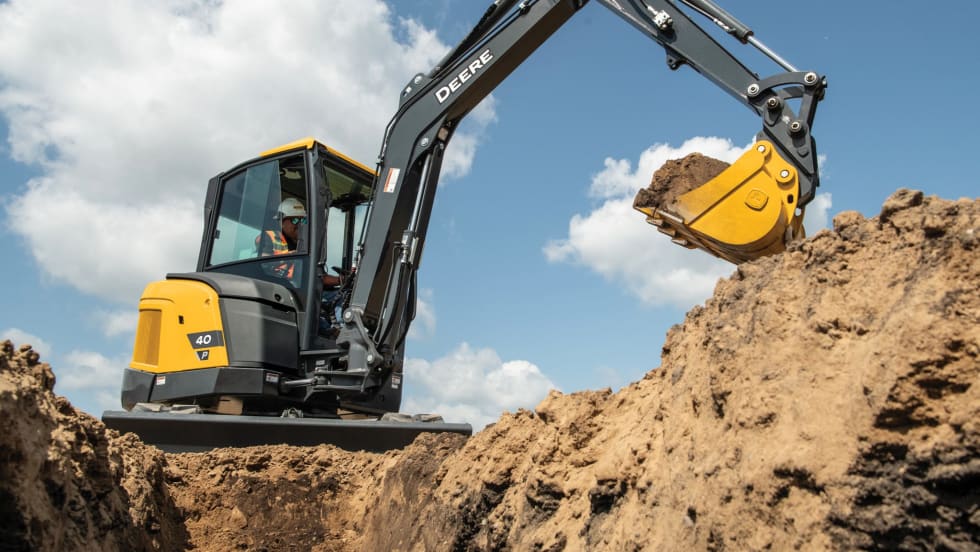
John Deere Introduces 40 P-Tier Compact Excavator
John Deere is adding a compact excavator designed for crews that need to move equipment between jobsites and handle multiple types of work with one machine. The 40 P-Tier weighs less than 10,000 pounds and offers configurable hydraulics, attachment options, and connected fleet-management capabilities.
Read More →
How Leading Fleets Improve and Why Business Plans Matter
This week, we look at what past Leading Fleet winners can teach us about making progress, plus how to build a business plan your fleet will actually use.
Read More →
Nominate a Fleet Leader for the 2027 Public Fleet Hall of Fame
Do you know a fleet leader who has made a lasting impact on the industry? Nominate this fleet professional for the 2027 Public Fleet Hall of Fame.
Read More →
Why Fleet Business Plans Need Three Perspectives
A fleet business plan should help agency leaders understand the fleet’s value, give the organization a clear direction, and establish shared expectations with customer departments.
Read More →