




Related: Calif. Mandates Renewable Diesel Purchases for State Agencies
San Francisco's Renewable Diesel Halves Diesel Emissions
The City & County of San Francisco has ended its use of petroleum diesel and completed the switch to renewable diesel for the city fleet. The change will reduce fleet diesel greenhouse gas emissions by 50% and is cost neutral.
by Staff
December 14, 2015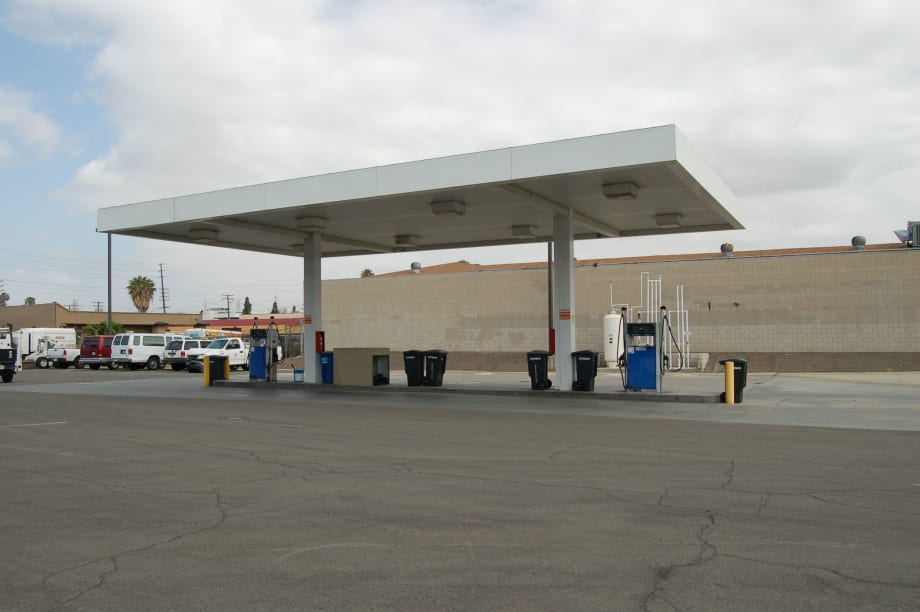
File photo
2 min to read
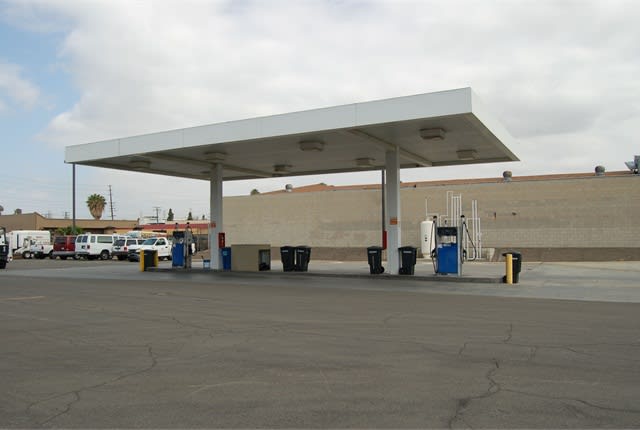
File photo
The City & County of San Francisco has ended its use of petroleum diesel and completed the switch to renewable diesel for the city fleet. The change is estimated to reduce fleet diesel greenhouse gas emissions by 50%.
Mayor Edwin Lee made the announcement Dec. 11, nearly five months after first announcing that the city would begin using renewable diesel.
“As the global climate negotiations conclude, San Francisco and cities worldwide must continue to lead by taking bold actions that reduce greenhouse gas emissions immediately,” said Mayor Lee in a release. “These actions cannot wait.”
San Francisco completed the switch to renewable diesel at all of the city’s 53 fueling sites. This change affects 1,966 vehicles that rely on diesel fuel. City Administrator Naomi Kelly said the use of biodiesel is cost-neutral to the city due to state and federal incentives to use the fuel.
In fiscal-year 2014, the city used 5.8 million gallons of diesel fuel, of which 4.9 million was petroleum diesel, resulting in the emission of approximately 100,000 metric tons of greenhouse gases into the atmosphere. The City’s Fleet Management Division estimates a 50% reduction, or 50,000 metric tons, in greenhouse gas emission as a result of ending replacing diesel with renewable diesel.
The city chose to transition to renewable diesel after a successful pilot led by the Fire Department. The city had previously been using B-20 biodiesel for most of its municipal fleet.
Renewable diesel and biodiesel are both produced from bio-feedstock sources, including fats, oils and greases, but the two fuels are produced through different processes. Renewable diesel uses a hydrogenation process, while biodiesel uses an esterification process. According to the California Air Resources Board, the full lifecycle emissions of carbon from renewable diesel produced from sustainable sources are more than 60% lower than either petroleum or B-20 biodiesel. Chemically, renewable diesel is indistinguishable from petroleum diesel, and testing has shown it to have engine performance that matches or outperforms both petroleum diesel and biodiesel, according to the city.
More Green Fleet
Sustainability Partners, Energy Systems Group Help Albuquerque Close the Gap on its 100% Renewable Energy Goal
The eight-site, 6 MW solar project has advanced the city toward 100% renewable energy for municipal operations.
Read More →
Port Authority and CALSTART Launch $45 Million Electric Truck and Charging Programs
The programs aim to boost sustainable operations across the East Coast's busiest seaport.
Read More →
Moving Government Fleets Beyond the Vehicle Purchase: EV as a Service
A discussion on how EVaaS is moving beyond pilot programs and what fleets should consider before beginning a larger deployment.
Read More →
Moving Government Fleets Beyond the Vehicle Purchase: EV as a Service
As fleets move beyond small EV pilots, Sustainability Partners CEO Adam Cain explains how EVaaS can address the infrastructure and long-term planning required for larger deployments.
Read More →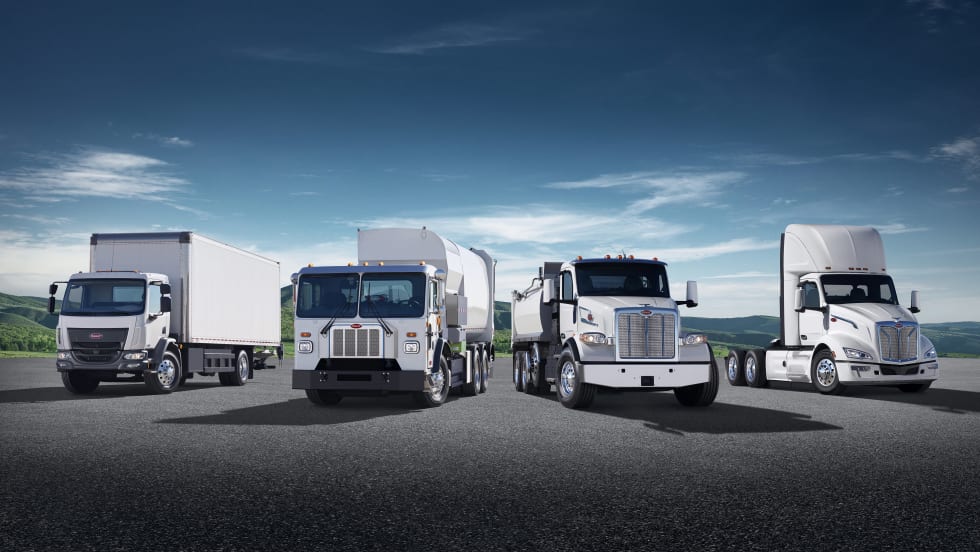
Peterbilt Expands Sourcewell Partnership with Electric Vehicle Lineup
The agreement aims to provide streamlined procurement of Peterbilt trucks for government, education, nonprofit and tribal organizations across the United States and Canada.
Read More →

EV Adoption & Charging Challenges
Where is your fleet in the journey of vehicle electrification? If you're still looking for answers to fleet electrification you've come to the right place.
Read More →
Hawaii Passes Clean Fuel Policy
Hawaii lawmakers passed clean fuel legislation that could support renewable natural gas production, biogas-powered transportation, and lower-carbon fueling options for public and commercial fleets.
Read More →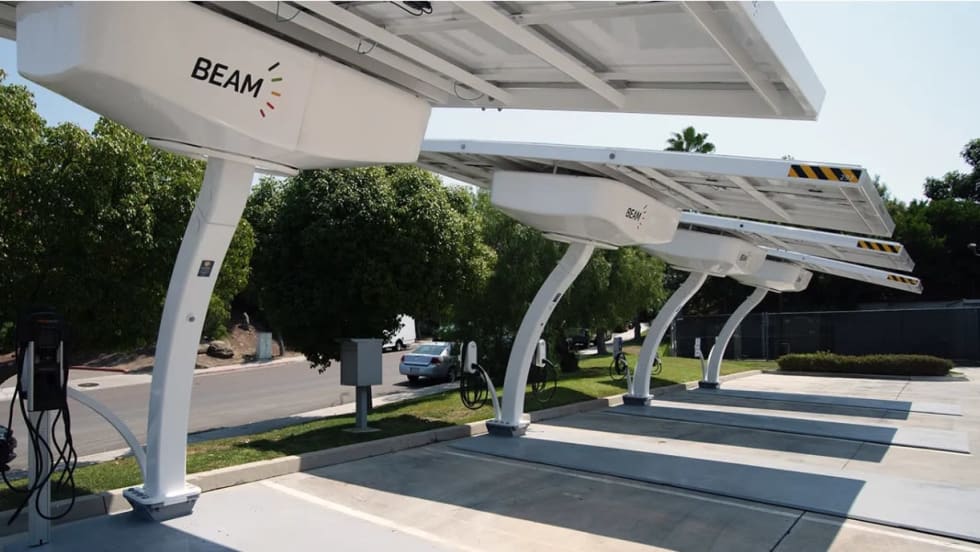
Stanislaus County Deploys Ten Beam Global EV ARC Systems to Support County Fleet Electrification
Stanislaus County deployed 10 off-grid solar-powered EV charging systems and a mobile charging trailer from Beam Global to support its electric fleet operations and emergency response flexibility.
Read More →
Heliox Pilots 480-kW Bus Charger with King County Metro
King County Metro is piloting Heliox’s new 480-kW Flex Pro charger to support expansion of its battery-electric bus fleet and depot charging infrastructure. The compact charging system supports pantograph and plug-in charging configurations for high-density transit operations.
Read More →