




San Francisco to Add Clean-Air Vehicles to City's Taxi Fleet
SAN FRANCISCO – Mayor Gavin Newsom joined environmental leaders to announce a major new package of financial incentives to boost the number of compressed natural gas (CNG) and hybrid taxis serving San Francisco.
SAN FRANCISCO – Mayor Gavin Newsom joined environmental leaders to announce a major new package of financial incentives to boost the number of compressed natural gas (CNG) and hybrid taxis serving San Francisco, according to the American Chronicle. Natural gas vehicles reduce carbon dioxide emissions by 30 percent and cost less than gasoline-powered vehicle to operate – directly benefiting both the environment and taxi drivers responsible for the costs of fuel. Hybrid vehicles provide equal benefit, reducing air pollution, fuel consumption, and driver expenses. Incentives will be provided by Clean Energy, “North America’s Leader in Clean Transportation” of approximately $16,000 per CNG taxi. CAST, an alliance of groups dedicated to reducing urban pollution, asthma, and U.S. dependence on oil by transforming public transportation, will provide resources aimed at increasing the number of hybrid taxis. Speaking of the new incentive package, Mayor Newsom told the American Chronicle, “When government, private industry, and the public work hand-in-hand to promote environment health, we can make real progress. The generous incentives and expertise offered by Clean Energy and CAST could very well double the number of clean-air taxis operating on the streets.” He added, “As a national leader in new technologies and concepts, San Francisco will continue to enlist ideas to reward taxi owners who invest in clean-air vehicles.” In addition, the city offers benefits for clean air taxis, including once-per-shift front-of-the-line privileges at SFO and waivers for airport trip fees. San Francisco Taxicab Commission allows clean-air taxis one additional year of service provided they pass mechanical inspections. Since 1999, when CNG vehicles first entered San Francisco’s taxi fleet, SFO has administered clean air grants to reduce the vehicle purchase price. The San Francisco taxi fleet currently contains 140 CNG vehicles and will soon have 30 hybrid vehicles out of a total fleet size of 1381. According to local dealerships, special orders for CNG taxis are ramping up and expect to exceed more than 100 additional vehicles within the next few months. Eight hundred CNG taxis are currently in service in Los Angeles, Seattle, Phoenix, Oakland, and San Francisco. Of the hybrid taxis, Jack Hidary, chairman of CAST told the American Chronicle, “Hybrid vehicles reduce air pollution, fuel consumption, and driver expenses. Everybody wins with these taxis and we are committed to working with Mayor Newsom and the Taxi Commission so that San Francisco leads the way towards energy independence.” CAST has led the campaigns to increase the number of hybrid taxis in other cities, including New York and Chicago.
More Operations
Could Your Next Fleet Technician Start as an Intern?
What if your next technician hasn’t worked in a fleet shop yet? What fleets are doing to free up time.
Read More →
How Phoenix Is Building Its Next Generation of Fleet Technicians
With more than 8,000 vehicles and pieces of equipment to maintain, the City of Phoenix could not afford to wait for fully trained technicians to walk through the door. Instead, they revamped their entire workforce strategy and showed how public fleets can create their own talent pipeline while preparing existing employees for increasingly complex vehicles.
Read More →
What’s Slowing Your Fleet Down?
Could a change in how work gets done help your fleet return vehicles to service sooner?
Read More →
Can Public Fleets Trust the Data Driving Their Decisions?
Public fleets have more data than ever, but inconsistent records and missing information can still undermine maintenance, replacement, and cost decisions.
Read More →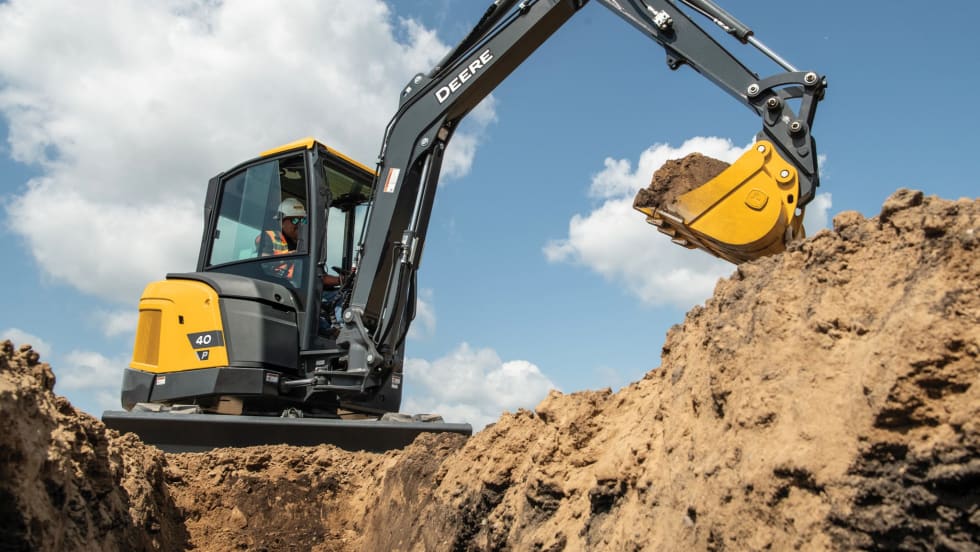
John Deere Introduces 40 P-Tier Compact Excavator
John Deere is adding a compact excavator designed for crews that need to move equipment between jobsites and handle multiple types of work with one machine. The 40 P-Tier weighs less than 10,000 pounds and offers configurable hydraulics, attachment options, and connected fleet-management capabilities.
Read More →
How Leading Fleets Improve and Why Business Plans Matter
This week, we look at what past Leading Fleet winners can teach us about making progress, plus how to build a business plan your fleet will actually use.
Read More →
Nominate a Fleet Leader for the 2027 Public Fleet Hall of Fame
Do you know a fleet leader who has made a lasting impact on the industry? Nominate this fleet professional for the 2027 Public Fleet Hall of Fame.
Read More →
Why Fleet Business Plans Need Three Perspectives
A fleet business plan should help agency leaders understand the fleet’s value, give the organization a clear direction, and establish shared expectations with customer departments.
Read More →
How Oil Analysis, Safety Technology, and Fleet Awards Drive Improvement
What happens when fleets let measured results guide their next decision?
Read More →
Emergency Response, Fleet Sales and New Technology
This week’s fleet news covers emergency preparedness, shifting vehicle sales, electric truck investments, and new tools for monitoring road conditions.
Read More →