




Similar Content: EV Infrastructure: How to Start & How to Expand
San Diego Aims for Mostly ZEV Fleet by 2035
The city will also create standards for its purchase of fuel for fleet vehicles that contain the lowest levels of lifecycle greenhouse gas emissions available.

Christy Grimes・Former Senior Editor

Relatively high up-front costs and a lack of variety in vehicle models had previously limited EV adoption within San Diego's fleet.
Photo: City of San Diego
2 min to read
San Diego Mayor Todd Gloria signed an update to the city's Climate Action Plan, which includes setting a goal of net-zero greenhouse emissions by 2035, according to CBS 8. To kickstart that, the updated Climate Action Plan includes steps the city will take to transition most of its fleet to a zero-emission vehicle (ZEV) fleet. The city council approved the update last week.
By 2030, the city hopes to have:
75% passenger ZEVs,
50% light-duty ZEVs,
50% medium-duty ZEVs, and
50% heavy-duty ZEVs.
By 2035, the city hopes to have:
100% passenger ZEVs,
100% light-duty ZEVs,
75% medium-duty ZEVs, and
75% heavy-duty ZEVs.
Creating a Mostly Zero-Emission Fleet
To achieve these goals, the city will create standards for its purchase of fuel for fleet vehicles that contains the lowest levels of lifecycle greenhouse gas emissions available. The city will also update its environmentally preferable purchasing regulations -- its guidelines and procedures for purchases of "environmentally preferable" products and services -- to include electric vehicles (EVs).
The city will also update its municipal parking yard electric infrastructure to support EV charging needs, as well as explore pilot projects for a variety of "grid resilience services" (i.e. demand response, emergency back-up, demand charge reduction, etc.) through three modes of EV integration: gride-to-vehicle, vehicle-to-building, and vehicle-to-grid.
In order to provide the electric vehicle supply equipment (EVSE) needed, the city will seek partnerships with San Diego Community Power -- an organization dedicated to providing affordable clean energy, San Diego Gas & Electric -- the city's natural gas and electricity provider, and other organizations to install charging infrastructure for all vehicle types.
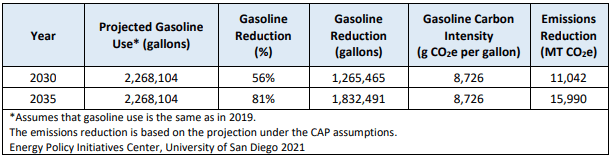
Assuming the municipal fleet gasoline use does not increase from its baseline year 2019, these are the greenhouse gas emissions reduction projections for 2030 and 2035. The emissions reduction is based on a projection from the city's 2020 Climate Action Plan reductions.
Photo: City of San Diego
As of the end of 2020, approximately 20 vehicles in the city's fleet were on-road EVs. Relatively high up-front costs and a lack of variety in vehicle models had previously limited EV adoption within the fleet, according to the report. The largest barrier, though, is the "cost and complexity of installing the refueling stations for all-electric vehicles across the city for public service needs and shift utilization."
More Green Fleet
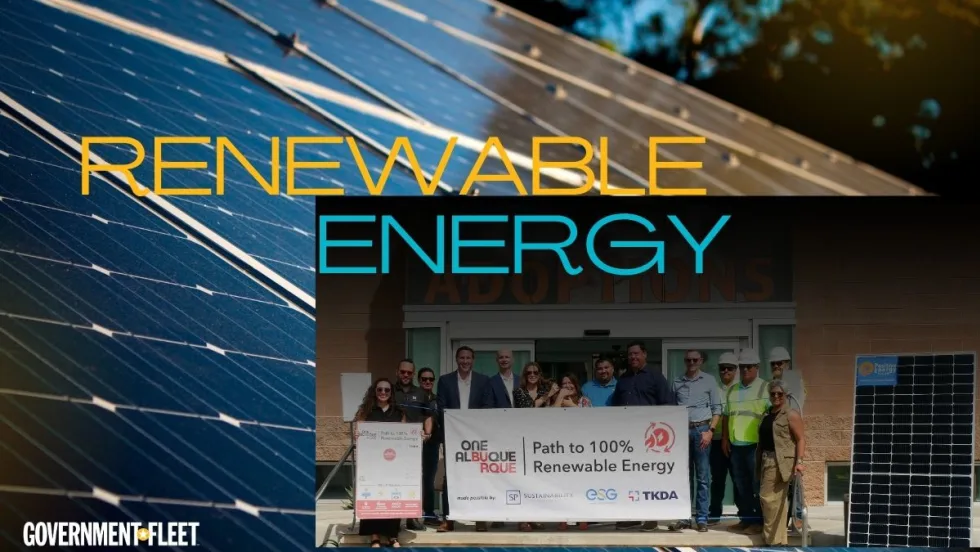
Sustainability Partners, Energy Systems Group Help Albuquerque Close the Gap on its 100% Renewable Energy Goal
The eight-site, 6 MW solar project has advanced the city toward 100% renewable energy for municipal operations.
Read More →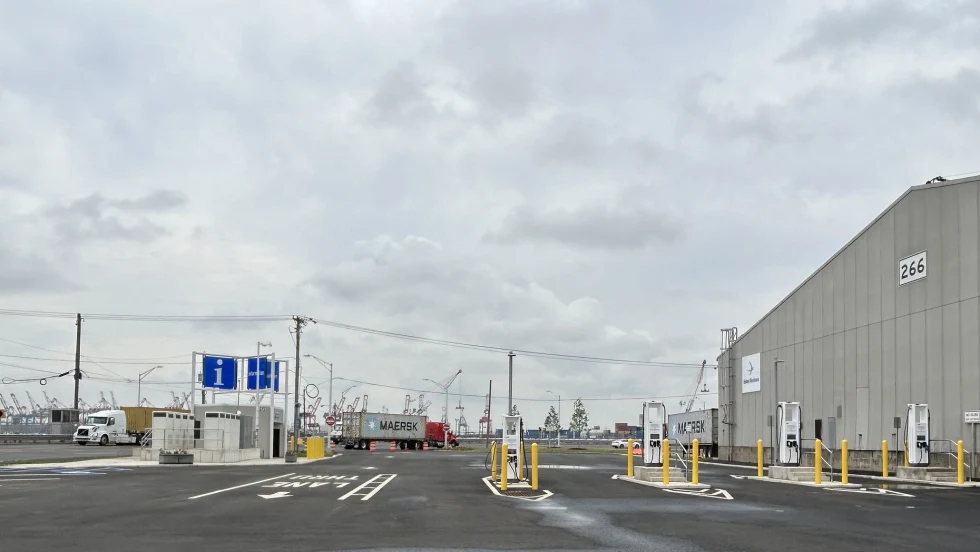
Port Authority and CALSTART Launch $45 Million Electric Truck and Charging Programs
The programs aim to boost sustainable operations across the East Coast's busiest seaport.
Read More →
Moving Government Fleets Beyond the Vehicle Purchase: EV as a Service
A discussion on how EVaaS is moving beyond pilot programs and what fleets should consider before beginning a larger deployment.
Read More →
Moving Government Fleets Beyond the Vehicle Purchase: EV as a Service
As fleets move beyond small EV pilots, Sustainability Partners CEO Adam Cain explains how EVaaS can address the infrastructure and long-term planning required for larger deployments.
Read More →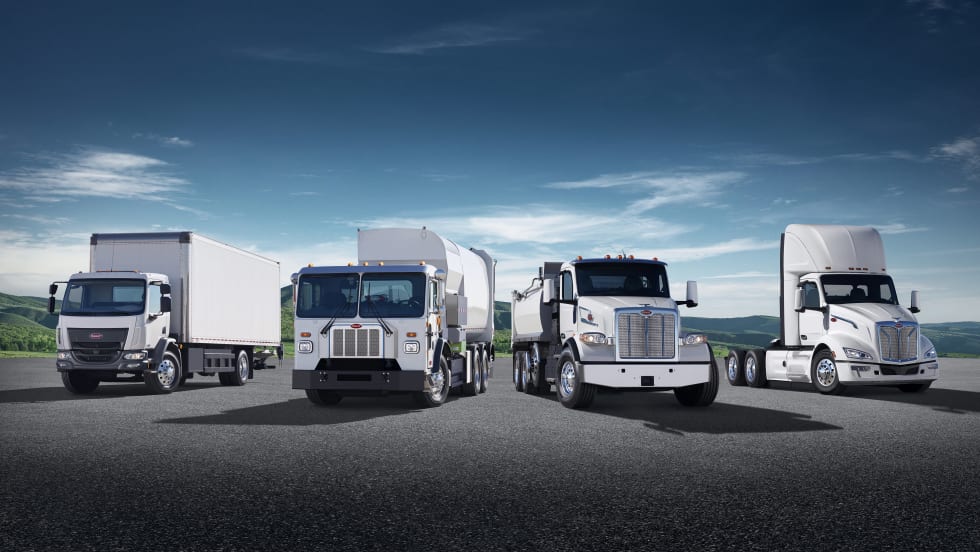
Peterbilt Expands Sourcewell Partnership with Electric Vehicle Lineup
The agreement aims to provide streamlined procurement of Peterbilt trucks for government, education, nonprofit and tribal organizations across the United States and Canada.
Read More →
EV Adoption & Charging Challenges
Where is your fleet in the journey of vehicle electrification? If you're still looking for answers to fleet electrification you've come to the right place.
Read More →
Hawaii Passes Clean Fuel Policy
Hawaii lawmakers passed clean fuel legislation that could support renewable natural gas production, biogas-powered transportation, and lower-carbon fueling options for public and commercial fleets.
Read More →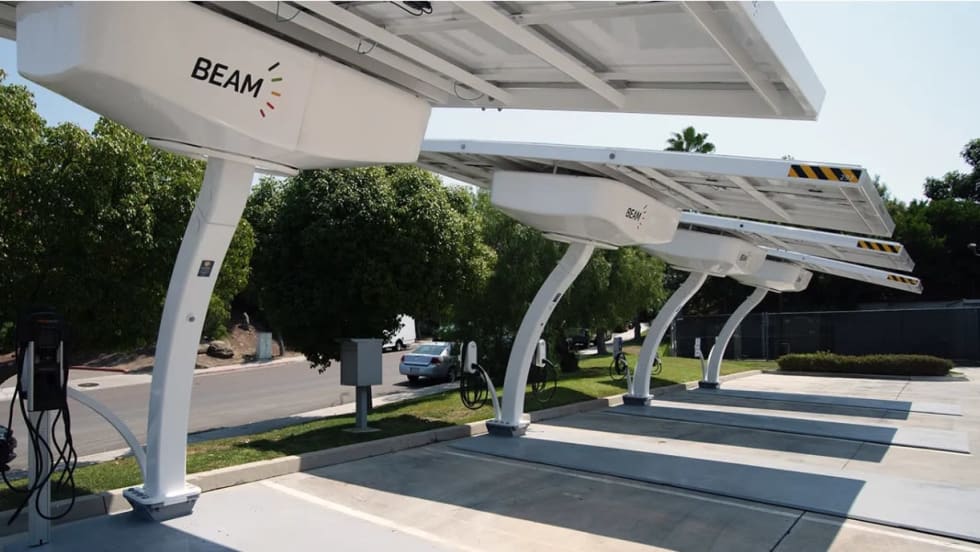
Stanislaus County Deploys Ten Beam Global EV ARC Systems to Support County Fleet Electrification
Stanislaus County deployed 10 off-grid solar-powered EV charging systems and a mobile charging trailer from Beam Global to support its electric fleet operations and emergency response flexibility.
Read More →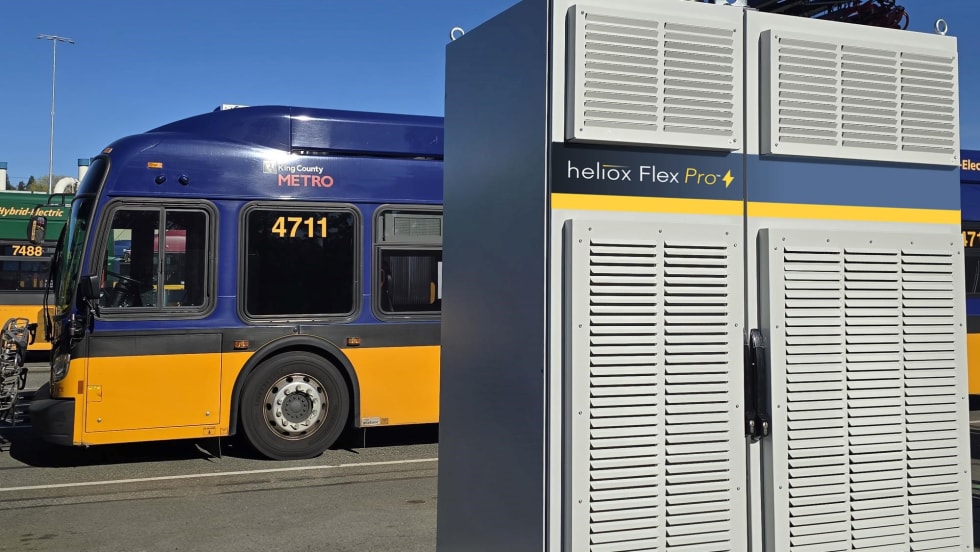
Heliox Pilots 480-kW Bus Charger with King County Metro
King County Metro is piloting Heliox’s new 480-kW Flex Pro charger to support expansion of its battery-electric bus fleet and depot charging infrastructure. The compact charging system supports pantograph and plug-in charging configurations for high-density transit operations.
Read More →