




Roush Completes Altoona Testing for Propane Autogas Paratransit Vehicle
LIVONIA, MI — ROUSH CleanTech announced the completion of the Federal Transit Administration’s (FTA) New Model Bus Testing Program (referred to as “Altoona Testing”) on a ROUSH CleanTech Ford E-450 vehicle fueled by propane autogas.
LIVONIA, MI — ROUSH CleanTech announced the completion of the Federal Transit Administration’s (FTA) New Model Bus Testing Program (referred to as “Altoona Testing”) on a ROUSH CleanTech Ford E-450 vehicle fueled by propane autogas. Public sector fleet managers at the 2012 Government Fleet Expo and Conference, held June 18-20 in Denver, were the first to learn of the recent testing and how it can benefit them.
“Altoona Testing of the propane autogas Ford E-450 will allow all agencies to apply for FTA funding to assist with conversion costs of that vehicle,” said Lynn McLean, director of maintenance for Flint Mass Transit Authority (MTA), which operates two ROUSH CleanTech propane autogas buses and plans to add 60 more vehicles to its fleet by 2013. “This means huge financial assistance for any paratransit fleet looking to operate on a domestically produced alternative fuel like propane autogas.”
FTA provides funding for the purchase, operation, and maintenance of public transportation systems. FTA’s Altoona Testing, named for the primary test facility location, rates new transit bus models on safety, structural integrity and durability, reliability, performance, maintainability, noise and fuel economy. The completion of this testing means all paratransit body configurations that are compatible with the ROUSH CleanTech propane autogas powered Ford E-450 chassis are eligible for FTA funding, including Champion, ElDorado National, Elkhart Coach, Glaval Bus, Goshen Coach, and Starcraft Bus.
Chelsea Jenkins, fleet account manager for ROUSH CleanTech, spoke June 18 during the Clean Technology Forum at Government Fleet Expo about the Altoona testing and how this domestically produced alternative fuel can positively affect both an agency’s bottom line as well as their green efforts.
All ROUSH CleanTech propane autogas vehicles, including the Ford E-150 cargo van on display in booth No. 119, emit fewer smog-forming hydrocarbons, greenhouse gases and other pollutants. Ease of refueling, coupled with equal horsepower, torque, and towing capabilities of gasoline models, have made propane autogas the most common alternative fuel both in the U.S. and the world. Historically, propane autogas has cost 30 to 40 percent less than gasoline. This savings is projected to continue over the next 25 years.
A sampling of ROUSH CleanTech public sector customers that have introduced propane autogas vehicles into their fleets include Colorado Springs School District 11, the Cities of Santa Monica, Riverside, and Cypress in California, the City of Cincinnati, the City of Livonia and Flint Mass Transit Authority in Michigan.
“ROUSH CleanTech’s Altoona testing of the Ford E-450 means government and paratransit fleets now have a more affordable and cleaner option to gasoline and diesel, and complements our EPA- and CARB-approved line-up of Ford pick-up trucks and vans,” said Todd Mouw, vice president of sales and marketing for ROUSH CleanTech. “We look forward to meeting public sector fleet professionals at this year’s conference to help get them started in achieving their sustainability goals.”
More Green Fleet
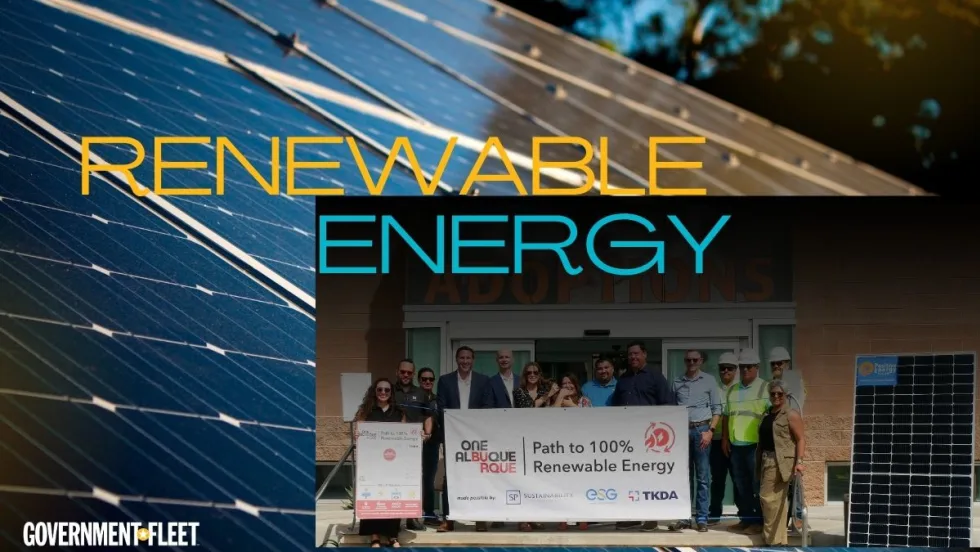
Sustainability Partners, Energy Systems Group Help Albuquerque Close the Gap on its 100% Renewable Energy Goal
The eight-site, 6 MW solar project has advanced the city toward 100% renewable energy for municipal operations.
Read More →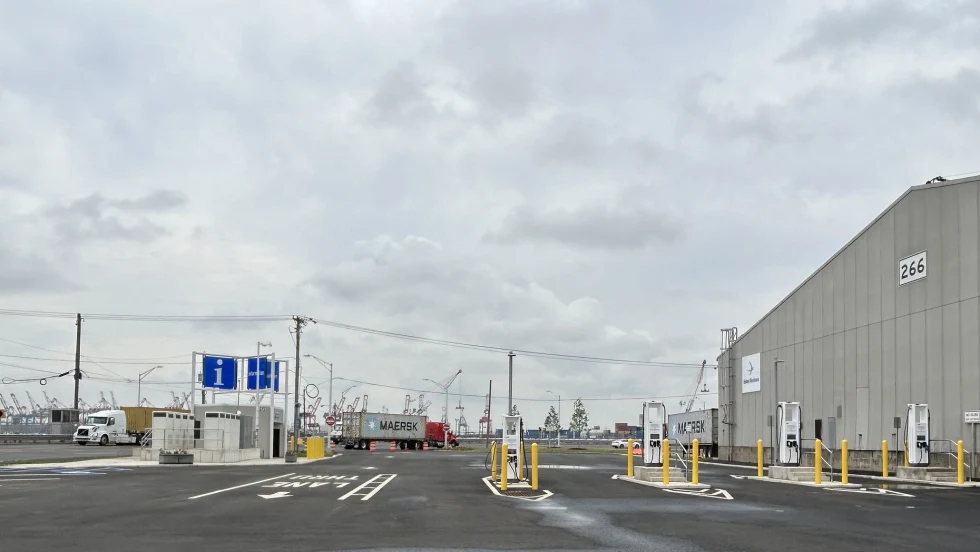
Port Authority and CALSTART Launch $45 Million Electric Truck and Charging Programs
The programs aim to boost sustainable operations across the East Coast's busiest seaport.
Read More →
Moving Government Fleets Beyond the Vehicle Purchase: EV as a Service
A discussion on how EVaaS is moving beyond pilot programs and what fleets should consider before beginning a larger deployment.
Read More →
Moving Government Fleets Beyond the Vehicle Purchase: EV as a Service
As fleets move beyond small EV pilots, Sustainability Partners CEO Adam Cain explains how EVaaS can address the infrastructure and long-term planning required for larger deployments.
Read More →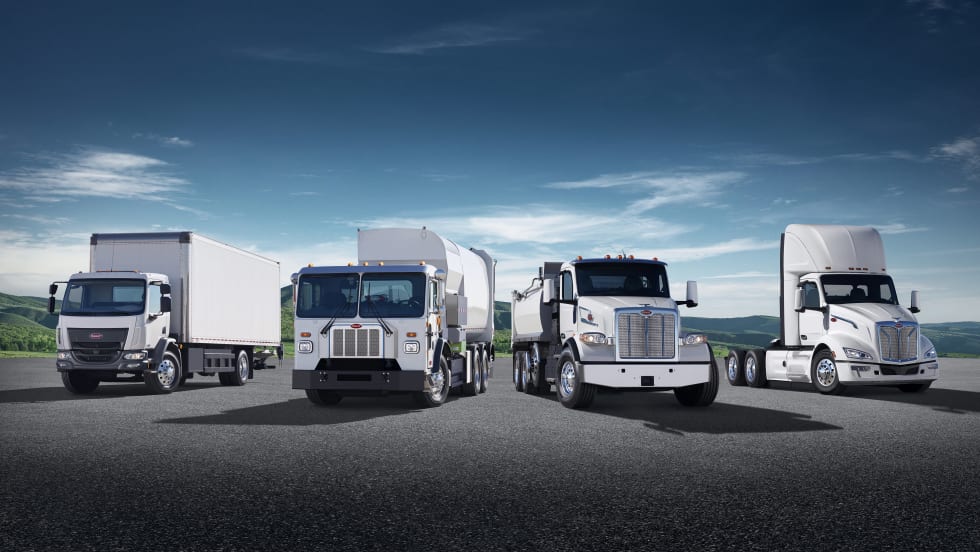
Peterbilt Expands Sourcewell Partnership with Electric Vehicle Lineup
The agreement aims to provide streamlined procurement of Peterbilt trucks for government, education, nonprofit and tribal organizations across the United States and Canada.
Read More →
EV Adoption & Charging Challenges
Where is your fleet in the journey of vehicle electrification? If you're still looking for answers to fleet electrification you've come to the right place.
Read More →
Hawaii Passes Clean Fuel Policy
Hawaii lawmakers passed clean fuel legislation that could support renewable natural gas production, biogas-powered transportation, and lower-carbon fueling options for public and commercial fleets.
Read More →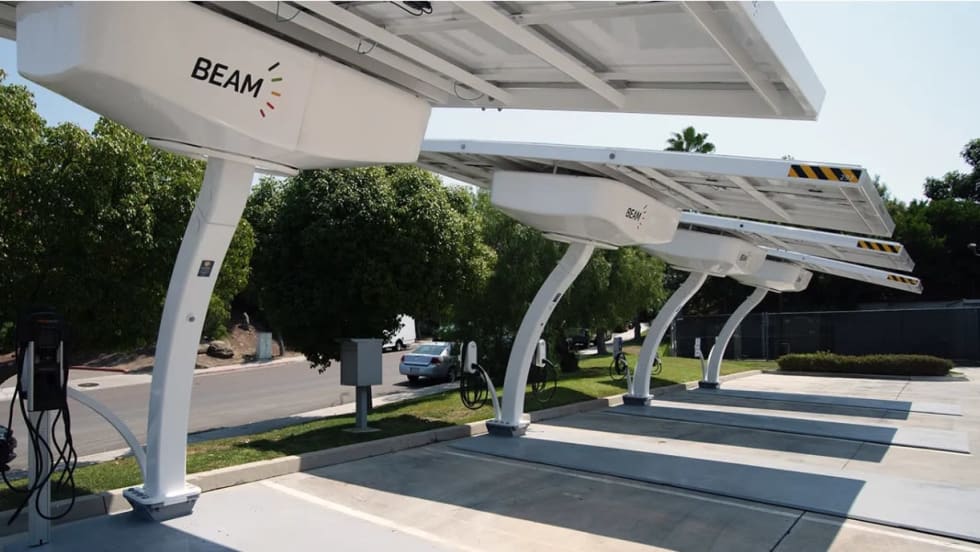
Stanislaus County Deploys Ten Beam Global EV ARC Systems to Support County Fleet Electrification
Stanislaus County deployed 10 off-grid solar-powered EV charging systems and a mobile charging trailer from Beam Global to support its electric fleet operations and emergency response flexibility.
Read More →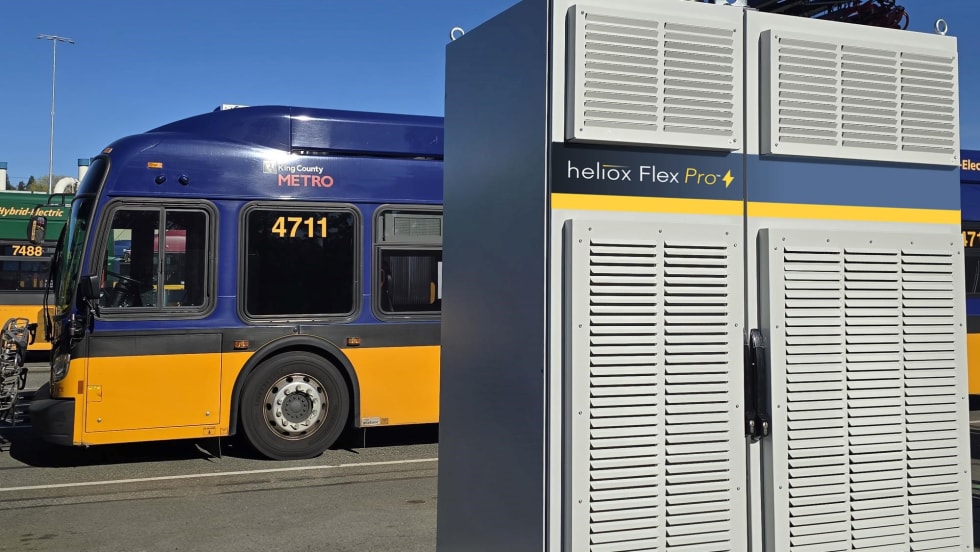
Heliox Pilots 480-kW Bus Charger with King County Metro
King County Metro is piloting Heliox’s new 480-kW Flex Pro charger to support expansion of its battery-electric bus fleet and depot charging infrastructure. The compact charging system supports pantograph and plug-in charging configurations for high-density transit operations.
Read More →