




Report Recommends Feds Use Alt-Fuel Freight Shipment Carriers
WASHINGTON - The report, by the non-profit American Clean Skies Foundation, says a switch of 20% of the U.S. government’s business to freight and package carriers using alternative fuels would lead to savings of approximately $25 billion by 2025.
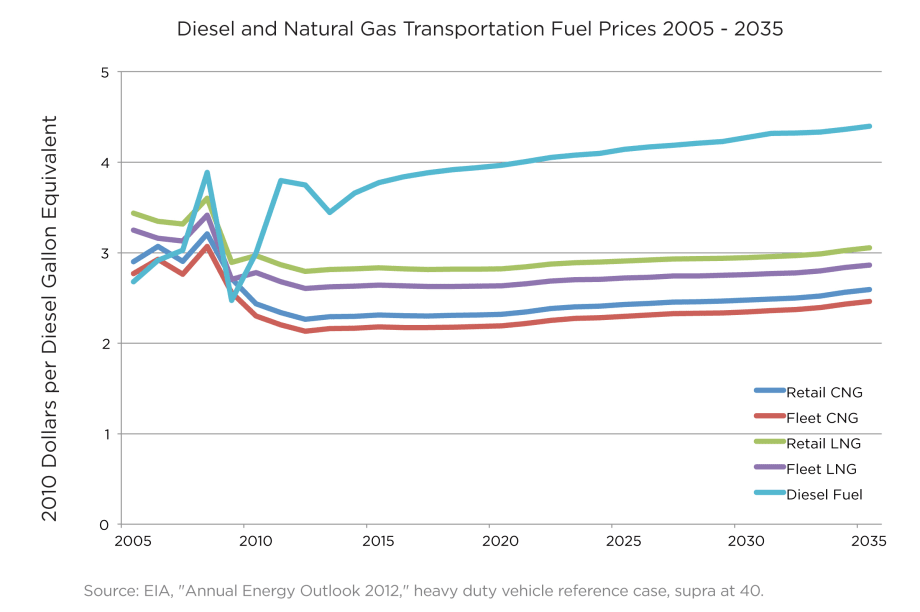
Projected fuel prices for transportation fuels (Graphic: Business Wire)
Projected fuel prices for transportation fuels (Graphic: Business Wire)
WASHINGTON - A new report from a Washington, D.C. energy policy group urges the federal government to begin allocating its $150 billion budget for transport services to carriers that fuel their fleets on domestically produced natural gas, electricity, and biofuels.
The report, by the non-profit American Clean Skies Foundation (ACSF), says a switch of just 20% of the U.S. government’s business to freight and package carriers using alternative fuels would lead to taxpayer savings of up to $7 billion annually and approximately $25 billion by 2025 (assuming a gradual fuel shift, beginning in 2015). Much of the savings is attributable to reduced fuel costs because major alternatives, such as compressed natural gas (CNG), cost less per gallon than petroleum-based fuels.
The report -- Oil Shift: The Case for Switching Federal Transportation Spending to Alternative Fuel Vehicles -- finds that shifting federal transportation contracts to vans and trucks running on alternative fuels could reduce oil imports by billions of gallons annually; cut greenhouse gas (GHG) pollution by more than 20 million metric tons a year; and stimulate the nationwide introduction of tens of thousands of new alternative-fuel vehicles.
“Most people are probably unaware that the freight services which are used by the government and major product suppliers provide a 30 times larger opportunity for oil savings and emissions reductions than the cars and trucks that the government owns itself,” said Warren Lavey, co-author of the report and ACSF’s Senior Regulatory Counsel.
The report recommends that Washington apply the same measurement and reporting tools developed by federal agencies over the last two decades to reduce petroleum use and emissions associated with the government’s own transportation fleet.
For the full report, click here.
More Green Fleet
Sustainability Partners, Energy Systems Group Help Albuquerque Close the Gap on its 100% Renewable Energy Goal
The eight-site, 6 MW solar project has advanced the city toward 100% renewable energy for municipal operations.
Read More →
Port Authority and CALSTART Launch $45 Million Electric Truck and Charging Programs
The programs aim to boost sustainable operations across the East Coast's busiest seaport.
Read More →
Moving Government Fleets Beyond the Vehicle Purchase: EV as a Service
A discussion on how EVaaS is moving beyond pilot programs and what fleets should consider before beginning a larger deployment.
Read More →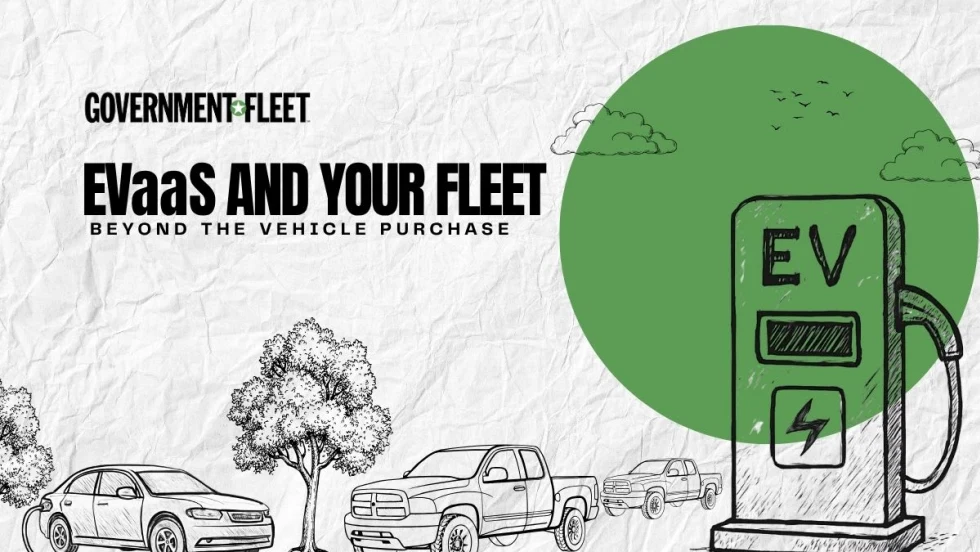
Moving Government Fleets Beyond the Vehicle Purchase: EV as a Service
As fleets move beyond small EV pilots, Sustainability Partners CEO Adam Cain explains how EVaaS can address the infrastructure and long-term planning required for larger deployments.
Read More →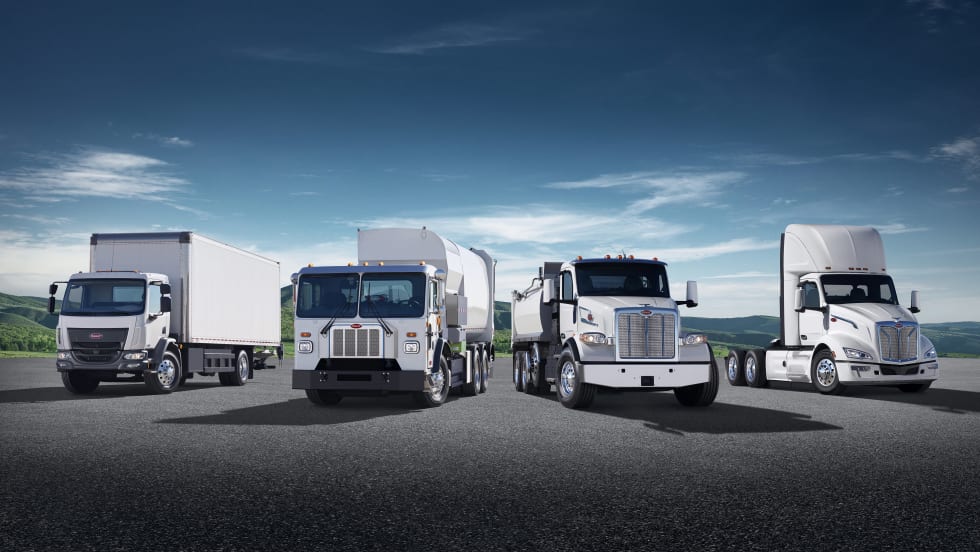
Peterbilt Expands Sourcewell Partnership with Electric Vehicle Lineup
The agreement aims to provide streamlined procurement of Peterbilt trucks for government, education, nonprofit and tribal organizations across the United States and Canada.
Read More →
EV Adoption & Charging Challenges
Where is your fleet in the journey of vehicle electrification? If you're still looking for answers to fleet electrification you've come to the right place.
Read More →
Hawaii Passes Clean Fuel Policy
Hawaii lawmakers passed clean fuel legislation that could support renewable natural gas production, biogas-powered transportation, and lower-carbon fueling options for public and commercial fleets.
Read More →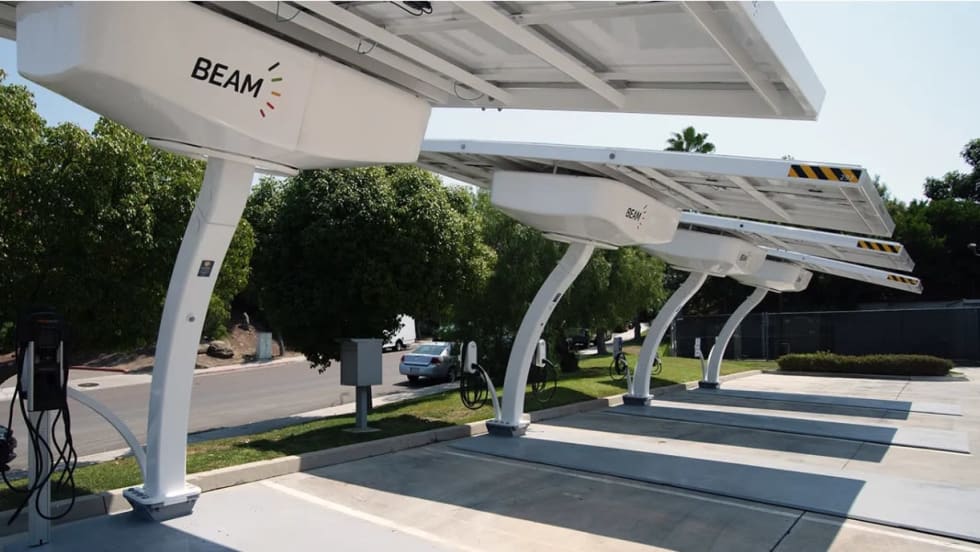
Stanislaus County Deploys Ten Beam Global EV ARC Systems to Support County Fleet Electrification
Stanislaus County deployed 10 off-grid solar-powered EV charging systems and a mobile charging trailer from Beam Global to support its electric fleet operations and emergency response flexibility.
Read More →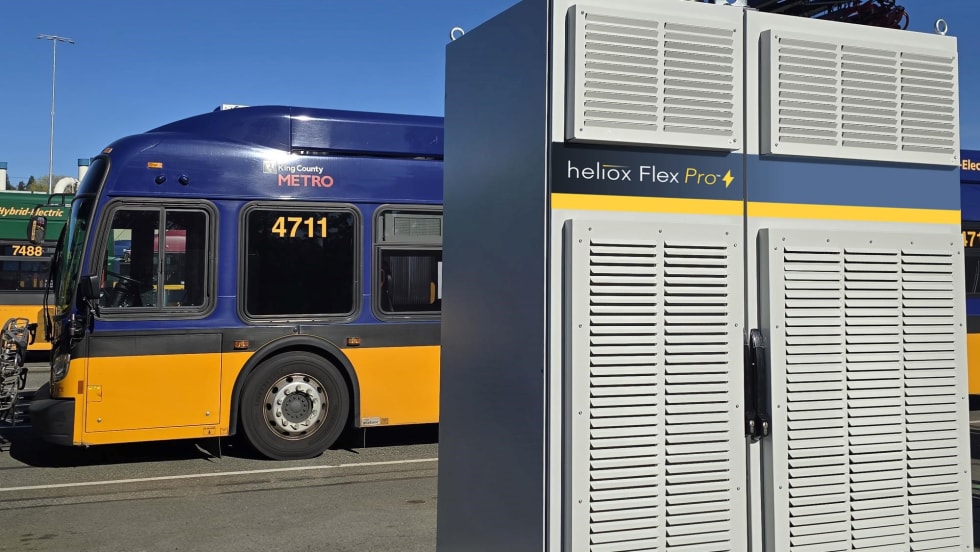
Heliox Pilots 480-kW Bus Charger with King County Metro
King County Metro is piloting Heliox’s new 480-kW Flex Pro charger to support expansion of its battery-electric bus fleet and depot charging infrastructure. The compact charging system supports pantograph and plug-in charging configurations for high-density transit operations.
Read More →