




Report Guides Buyers on Sustainable Biofuels Procurement
A new report aims to help bulk fuel purchasers determine the most sustainably produced biofuels and avoid those produced using unsustainable practices.
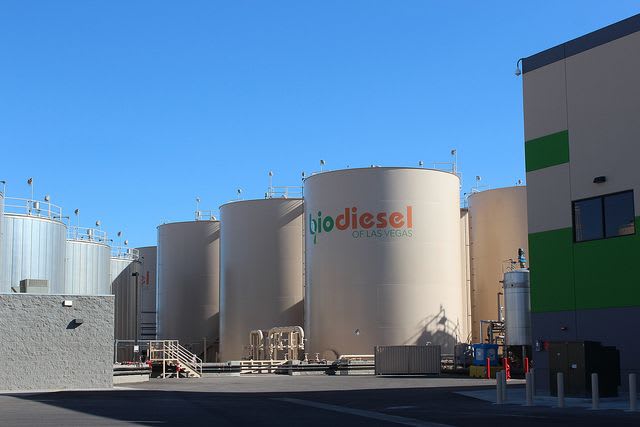
Photo courtesy of United Soybean Board
Photo courtesy of United Soybean Board
A new report aims to help bulk fuel purchasers determine the most sustainably produced biofuels, and avoid those produced using unsustainable practices.
The Biofuel Sustainability Performance Guidelines report, commissioned by the nonprofit group National Resources Defense Council (NRDC), comes at a time when government and large fleets are showing an increased interest in plant-based fuel options to boost their sustainability efforts, the NRDC stated. The report grades various biofuel production certification programs, which vary in their stringency.
"Biofuels can be a clean alternative to dirty fossil fuels, but they’re not all created equal," said Brian Siu, senior energy policy analyst at NRDC. "Some biofuels are produced in ways that endanger precious land, wildlife, and the environment. As the U.S. government and large business expand their use of biofuels, they should ensure they come from sustainable sources, and relying on the best certification systems can help them make these smart choices."
While large fuel buyers are beginning to understand the risks of poorly sourced biofuels, many are unable to determine whether their biofuels are produced sustainably. Third-party certification systems can provide this service, but vary significantly in stringency and protectiveness. A sound certification system should check each stage for impacts on water quality, soil, biodiversity, air quality, land use, and waste. It also should check for the social impacts on economic issues, human rights, food security, and workforce safety, according to NRDC.
NRDC is encouraging fuel buyers to ensure they buy from sustainable sources, and this report evaluates seven leading biofuels sustainability certification systems to help them do so. By using strong certification systems, fuel buyers then could publicly support biofuels producers that take steps to protect the environment and, ultimately, help grow a biofuels industry that provides environmental benefits, according to NRDC.
The Roundtable on Sustainable Biomaterials (RSB) ranked best for helping to ensure economic, environmental, and social sustainability of biofuels production practices.
The report was authored by LMI, a not-for-profit government consultancy. The NRDC is an international nonprofit environmental organization. The NRDC chose LMI for its impartiality and deep experience helping the federal government to study fuel logistics and risk.
To see the "Biofuel Sustainability Performance Guidelines" report and a fact sheet on the issue, visit the NRDC site.
More Green Fleet
Sustainability Partners, Energy Systems Group Help Albuquerque Close the Gap on its 100% Renewable Energy Goal
The eight-site, 6 MW solar project has advanced the city toward 100% renewable energy for municipal operations.
Read More →
Port Authority and CALSTART Launch $45 Million Electric Truck and Charging Programs
The programs aim to boost sustainable operations across the East Coast's busiest seaport.
Read More →
Moving Government Fleets Beyond the Vehicle Purchase: EV as a Service
A discussion on how EVaaS is moving beyond pilot programs and what fleets should consider before beginning a larger deployment.
Read More →
Moving Government Fleets Beyond the Vehicle Purchase: EV as a Service
As fleets move beyond small EV pilots, Sustainability Partners CEO Adam Cain explains how EVaaS can address the infrastructure and long-term planning required for larger deployments.
Read More →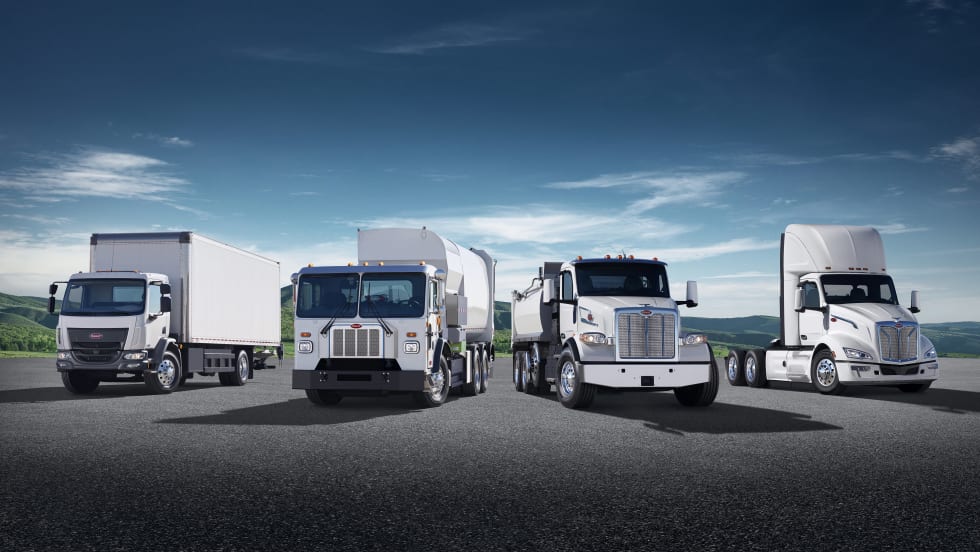
Peterbilt Expands Sourcewell Partnership with Electric Vehicle Lineup
The agreement aims to provide streamlined procurement of Peterbilt trucks for government, education, nonprofit and tribal organizations across the United States and Canada.
Read More →
EV Adoption & Charging Challenges
Where is your fleet in the journey of vehicle electrification? If you're still looking for answers to fleet electrification you've come to the right place.
Read More →
Hawaii Passes Clean Fuel Policy
Hawaii lawmakers passed clean fuel legislation that could support renewable natural gas production, biogas-powered transportation, and lower-carbon fueling options for public and commercial fleets.
Read More →
Stanislaus County Deploys Ten Beam Global EV ARC Systems to Support County Fleet Electrification
Stanislaus County deployed 10 off-grid solar-powered EV charging systems and a mobile charging trailer from Beam Global to support its electric fleet operations and emergency response flexibility.
Read More →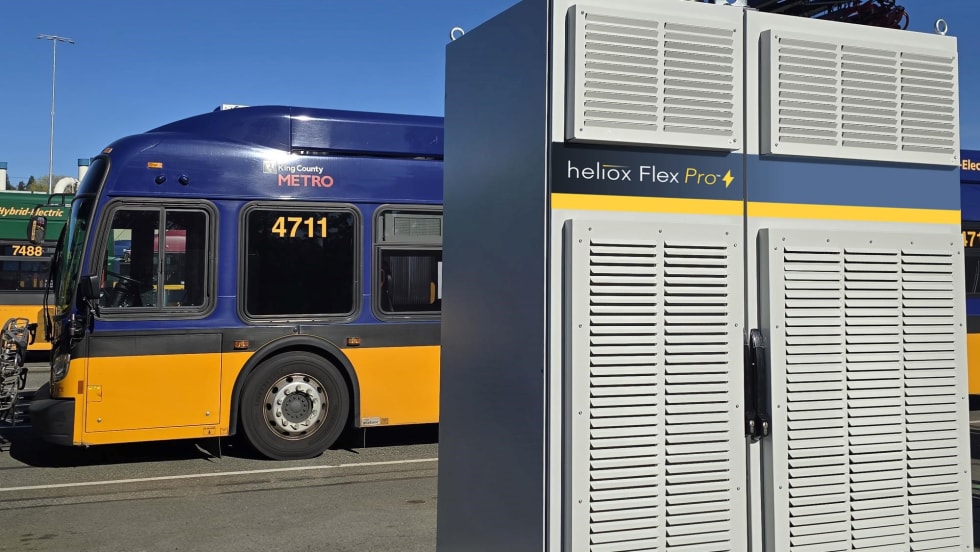
Heliox Pilots 480-kW Bus Charger with King County Metro
King County Metro is piloting Heliox’s new 480-kW Flex Pro charger to support expansion of its battery-electric bus fleet and depot charging infrastructure. The compact charging system supports pantograph and plug-in charging configurations for high-density transit operations.
Read More →