




Propane Vehicles Showcased at BusCon
CHICAGO - Roush Performance and CleanFuel USA at BusCon Sept. 28-29 showcased propane autogas-fueled shuttle buses that cut carbon and particulate emissions and lower fuel costs while delivering the horsepower and torque of a diesel-powered bus.
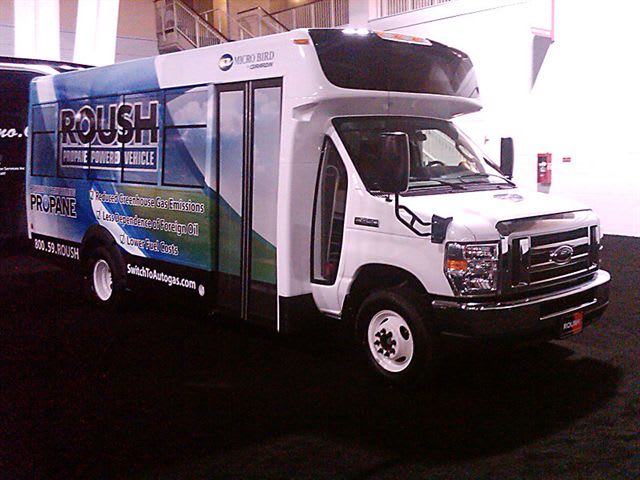
The Micro Bird G5 Roush liquid propane-powered E-450 uses the Ford 6.8L, V-10 engine which runs on the ROUSH liquid propane injection fuel system.
CHICAGO - Roush Performance and CleanFuel USA at BusCon bus conference and expo in Chicago on September 28-29 showcased propane autogas-fueled shuttle buses that cut carbon and particulate emissions and lower fuel costs while delivering the horsepower and torque of a diesel-powered bus, according to a release from the Propane Education & Research Council (PERC).
BusCon offered more than 2,000 public transit managers, bus dealers and operators, and other public and private-sector transportation buyers the chance to get inside a propane autogas-fueled 25-passenger Micro Bird G-5 shuttle bus to examine a Roush six-liter liquid propane injection engine, and to inspect a propane autogas refueling dispenser.
The Micro Bird G5 Roush liquid propane-powered E-450 uses the Ford 6.8L, V-10 engine, which runs on the ROUSH liquid propane injection fuel system. The fuel capacity is 43 usable gallons which, depending on driving conditions, has a range of about 320 miles, according to Roush.
Propane autogas retailers from AmeriGas, Ferrellgas, and Heritage Propane were on hand to answer questions inside the Propane Pavilion.
PERC and CleanFuel USA held a two-hour training seminar on propane autogas fuel quality, infrastructure, vehicle availability, safety, and environmental benefits. A representative from PERC participated in the "Green Solutions" conference panel.
Collins Bus, Blue Bird, and Micro Bird offer propane autogas-fueled bus options. Freightliner/Thomas, with support from PERC, is developing a propane-fueled engine and truck chassis for use in school buses, with delivery expected in 2013.
On average, propane autogas vehicles reduce greenhouse gas emissions by 17 percent and create 20 percent less nitrogen oxide, up to 60 percent less carbon monoxide, and fewer particulate emissions, compared with gasoline. They also reduce operating costs. Federal and state organizations offer various rebates and incentives for purchasing propane autogas buses or converting buses to propane, and a 50-cent-per-gallon alternative fuel tax credit is available for fleet vehicles.
Propane is already the most widely used alternative fuel on roads today in the United States, powering 270,000 vehicles. Worldwide, more than 13 million vehicles run on propane, according to PERC.
More Green Fleet
Sustainability Partners, Energy Systems Group Help Albuquerque Close the Gap on its 100% Renewable Energy Goal
The eight-site, 6 MW solar project has advanced the city toward 100% renewable energy for municipal operations.
Read More →
Port Authority and CALSTART Launch $45 Million Electric Truck and Charging Programs
The programs aim to boost sustainable operations across the East Coast's busiest seaport.
Read More →
Moving Government Fleets Beyond the Vehicle Purchase: EV as a Service
A discussion on how EVaaS is moving beyond pilot programs and what fleets should consider before beginning a larger deployment.
Read More →
Moving Government Fleets Beyond the Vehicle Purchase: EV as a Service
As fleets move beyond small EV pilots, Sustainability Partners CEO Adam Cain explains how EVaaS can address the infrastructure and long-term planning required for larger deployments.
Read More →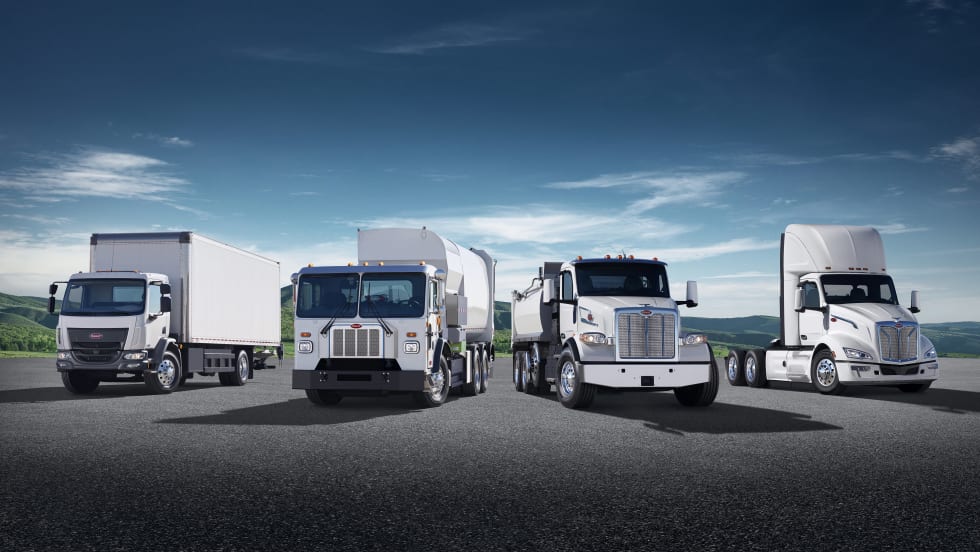
Peterbilt Expands Sourcewell Partnership with Electric Vehicle Lineup
The agreement aims to provide streamlined procurement of Peterbilt trucks for government, education, nonprofit and tribal organizations across the United States and Canada.
Read More →
EV Adoption & Charging Challenges
Where is your fleet in the journey of vehicle electrification? If you're still looking for answers to fleet electrification you've come to the right place.
Read More →
Hawaii Passes Clean Fuel Policy
Hawaii lawmakers passed clean fuel legislation that could support renewable natural gas production, biogas-powered transportation, and lower-carbon fueling options for public and commercial fleets.
Read More →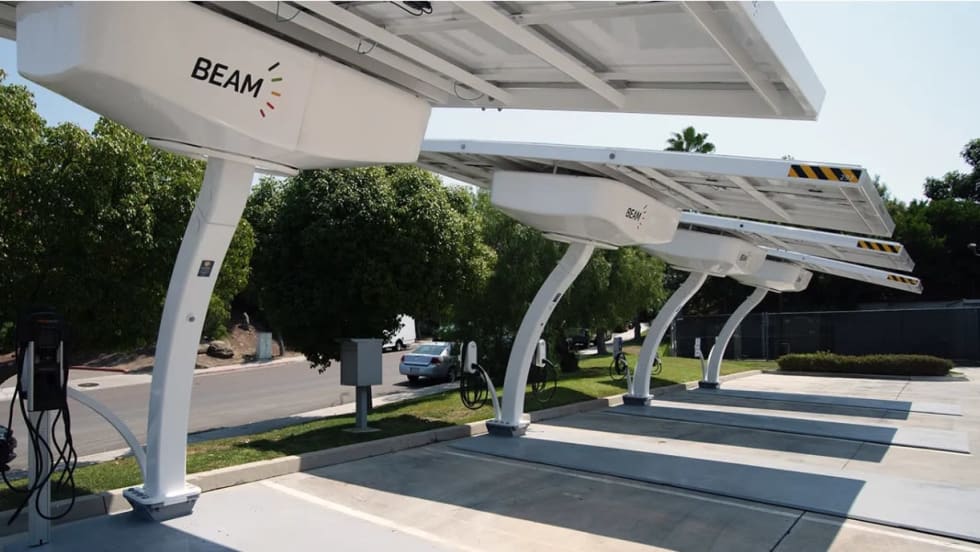
Stanislaus County Deploys Ten Beam Global EV ARC Systems to Support County Fleet Electrification
Stanislaus County deployed 10 off-grid solar-powered EV charging systems and a mobile charging trailer from Beam Global to support its electric fleet operations and emergency response flexibility.
Read More →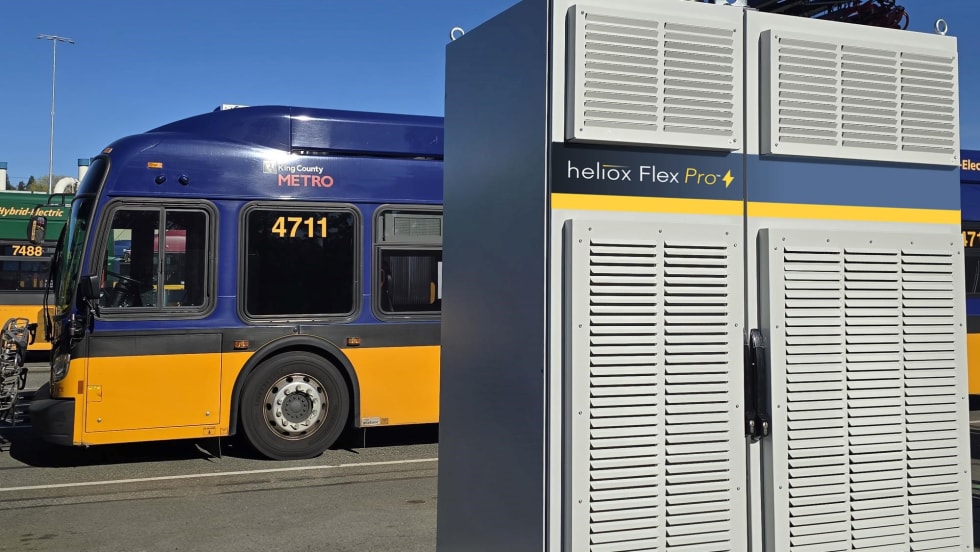
Heliox Pilots 480-kW Bus Charger with King County Metro
King County Metro is piloting Heliox’s new 480-kW Flex Pro charger to support expansion of its battery-electric bus fleet and depot charging infrastructure. The compact charging system supports pantograph and plug-in charging configurations for high-density transit operations.
Read More →