




Pittsburgh to Upgrade its Police, Fire, EMS, & Sanitation Fleets
PITTSBURGH, PA – This past summer, the City of Pittsburgh made a $7 million, 86-vehicle upgrade to its fleet of 1,000 cars and trucks.
PITTSBURGH, PA – This past summer, the City of Pittsburgh made a $7 million, 86-vehicle upgrade to its fleet of 1,000 cars and trucks, according to the Pittsburgh Post-Gazette. The City will spend another $7 million in vehicle buys next year. While the city is paying for some upgrades with money it borrowed earlier this year, it is covering others with state aid or federal funds from the Department of Homeland Security.
A new $325,000 hazardous materials rescue City truck, and the million dollars worth of equipment it will carry, come thanks to federal funds funneled through a 13-county security task force. The vehicle will serve the entire region, handling everything from chemical spills to bioterror.
Also, the Fire Bureau is getting three decontamination trucks and a $1.1 million mobile command center, also purchased with Homeland Security grants and for use throughout the region. The command center will include top-of-the-line communications systems, video equipment, and a conference center.
Using city funds, the Emergency Medical Services Bureau just received three new ambulances and expects five more in coming months. The buys allow it to retire two ambulances that had clocked more than 160,000 miles each and had become unreliable, according to the Pittsburgh Post-Gazette. It also got two Chevrolet Suburbans equipped for rough-terrain rescues, two motorcycles for moving through dense crowds, and a pair of van ambulances that can work special events like Steelers games. Most are equipped with computers that allow paramedics to file medical reports while transporting a patient.
The fleet upgrade comes as a result of out-of-date vehicles, high maintenance costs, and poor service. In fact, in August, the city auctioned off 64 of its oldest vehicles, getting a grand total of $124,690 for 35 utility vehicles, 17 police cruisers, eight trash packers, and four firetrucks. The city had 23 dump trucks that were more than 16 years old, which is twice their normal useful life. It had a dozen trash packers that were 18 to 20 years old, which is three times the industry standard for replacing them.
More Operations
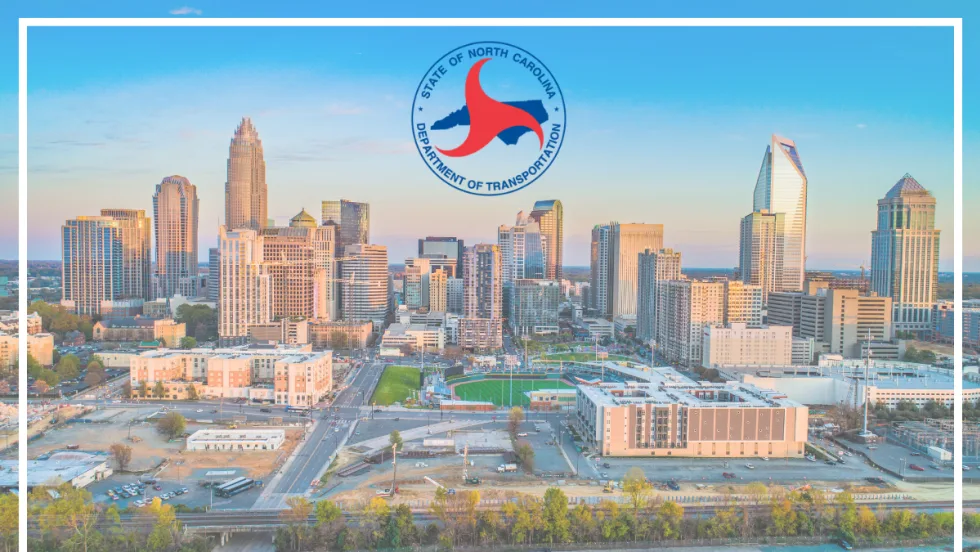
NCDOT Adds Dash Cam Imagery to Statewide Traffic Monitoring
North Carolina transportation officials are adding another set of eyes to roads that aren't covered by fixed traffic cameras. A statewide deployment gives NCDOT access to on-vehicle imagery to verify conditions during work zones, severe weather, emergencies, and other traffic events.
Read More →
AI, Police Fleet Readiness and Fire Apparatus News
See how AI, a reworked police-vehicle upfitting process, and a fire apparatus acquisition could affect public fleet operations.
Read More →
Stay ready, set and safer with verified fleet inspections.
When fleet inspections aren’t verifiable, missed defects can quickly become downtime, safety risks, and service delays. This white paper shows government and municipal fleet leaders how digital inspections can improve accountability, catch issues earlier, and keep vehicles ready when they’re needed most.
Read More →
How AI and Automation Work Together to Reduce Government Fleet Downtime
As their assets age and their budgets’ purchasing power shrinks, government fleet managers are facing growing pressure to do more with less.
Read More →
Police Fleet Innovation, EV Strategy and AI
See how public fleets are rethinking police vehicle readiness, electrification, workplace culture, and driver workflows.
Read More →
From What He Inherited to What He’ll Leave Behind: David Renschler’s Lessons in Leadership
David Renschler walked into Fairfield with plenty to learn and no idea what awaited him. Twenty years later, the lessons from what came next are still shaping his approach to fleet.
Read More →
Turning a Bottleneck Into a Blueprint: How Tallahassee Rethought Police Fleet Readiness
For Tallahassee, finally receiving 87 delayed police cruisers created a new problem: how to get them on the road without creating a massive backlog. The solution would change more than the upfit process.
Read More →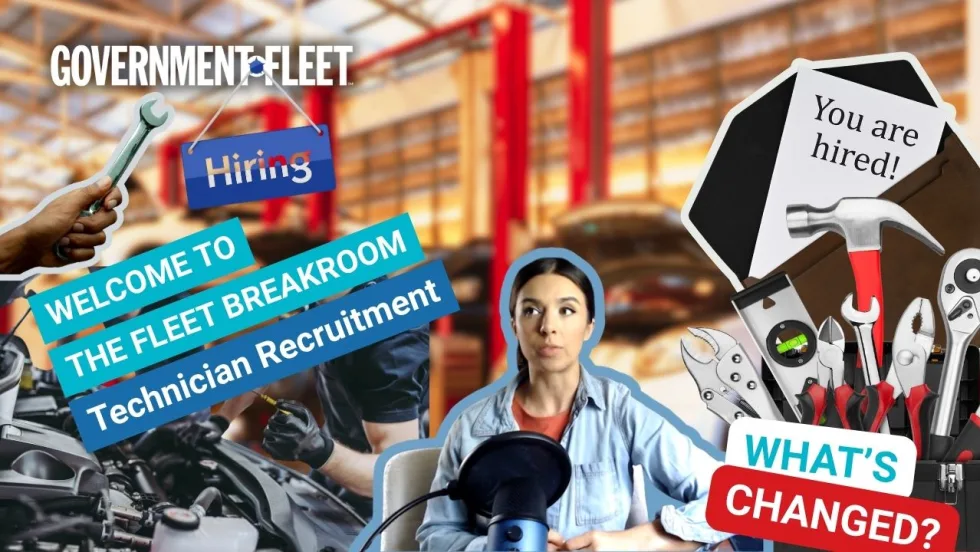
Have Fleets Changed Enough to Solve the Technician Shortage?
Are government fleets finally closing the gap on the technician shortage, or are critical challenges still holding them back?
Read More →
How Public Fleets Are Rethinking Vehicles, EVs, and Culture
From mission-specific vehicles to EV planning and culture change, this week’s stories show how public fleets are rethinking the way they operate.
Read More →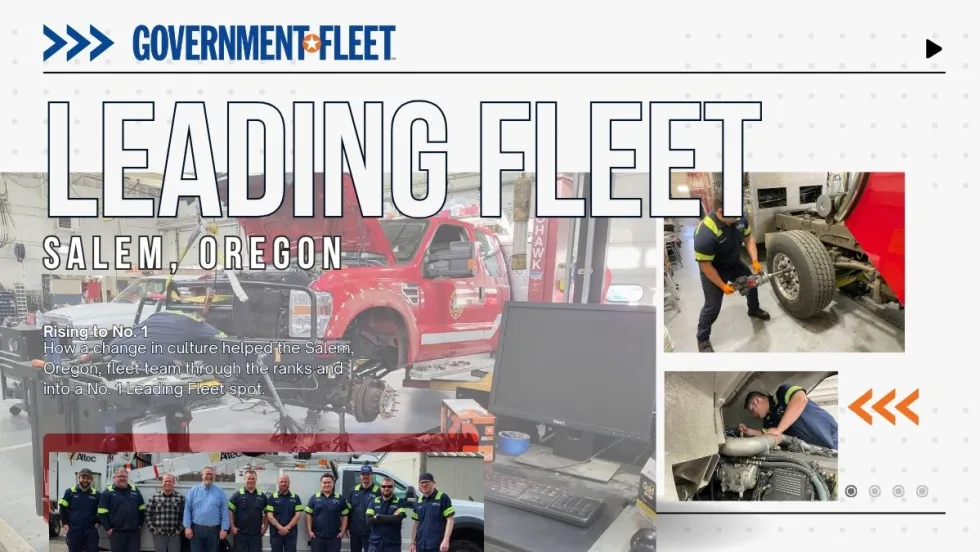
How Salem, Oregon, Turned Culture Change Into a No. 1 Fleet Ranking
Fleet availability reached 98.95% after Salem empowered employees and used performance data to guide years of steady improvement.
Read More →