




PGE, Oregon to Participate in Electric Vehicle Project
PORTLAND, OR - The project will deploy up to 5,000 electric vehicles and 12,750 charging stations in five U.S. markets.
PORTLAND, OR - Portland General Electric (PGE) and the state of Oregon will participate in the largest rollout of electric vehicles and an associated charging station network in United States history, according to PGE.
The goal of the project is to encourage the expansion of an electric vehicle infrastructure that will eventually be available for widespread use of EV owners throughout the nation. The Electric Transportation Engineering Corporation (eTec) is partnering with Nissan North America on the project to deploy up to 5,000 electric vehicles and 12,750 charging stations in five U.S. markets.
eTec chose to strategically partner with PGE to advance the understanding of EV usage patterns and their impact on the electrical grid, as well as provide synergies with PGE's smart grid initiatives.
"This project will give us a better understanding of how the charging of electric vehicles can effectively be integrated into a smart electric grid at the lowest possible cost," said Jim Piro, president and CEO of PGE.
PGE has already partnered with local governments and businesses to install nearly 20 EV charging stations in the Portland-metro area and Salem.
Dependent upon ongoing contract negotiations, up to 1,000 Nissan electric vehicles will be made available at Oregon Nissan dealerships in fall 2010, and 2,500 charging stations will be installed at homes and businesses beginning in the summer of 2010 for residents and businesses that choose to participate. Level 2 (220V) charging systems will be installed in residential, public and commercial locations. Level 3 fast-charge systems will be installed in high-traffic areas and strategic locations to allow consumers to charge on-the-go and extend daily driving range.
By 2012, it is anticipated more than 750 new jobs will be generated in the U.S. by the proposed project. By supporting the market launch of the Nissan EV, it is expected more than 5,500 new jobs will be in place by 2017 as a direct result of the proposed project.
As part of the project, markets in four other states - Arizona, California, Tennessee and Washington - will also each receive up to 1,000 vehicles. Markets were evaluated and chosen based on favorable regulatory environment, strong market demographics, climate differentials, topographies, and transportation patterns.
Each Nissan EV is expected to save as much as 436 gallons of gasoline per year compared to a comparable family sedan. For the entire fleet of 5,000 demonstration Nissan EVs, the fuel saving would be more than 2 million gallons of gasoline (51,900 barrels) per year. During the two year demonstration period, more than 4.3 million total gallons of gasoline (103,800 barrels) would be saved, according to the automaker.
More information is available at www.ecotality.com.
More Green Fleet
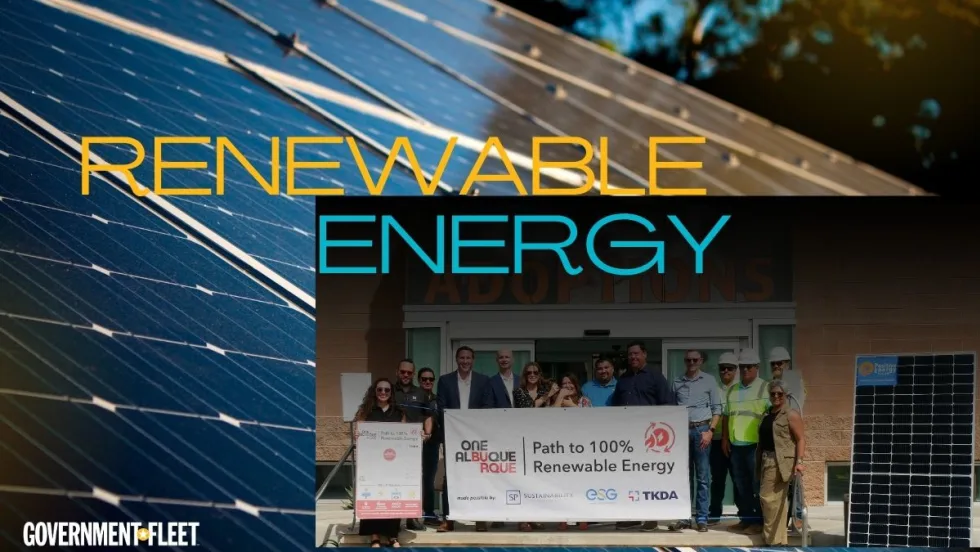
Sustainability Partners, Energy Systems Group Help Albuquerque Close the Gap on its 100% Renewable Energy Goal
The eight-site, 6 MW solar project has advanced the city toward 100% renewable energy for municipal operations.
Read More →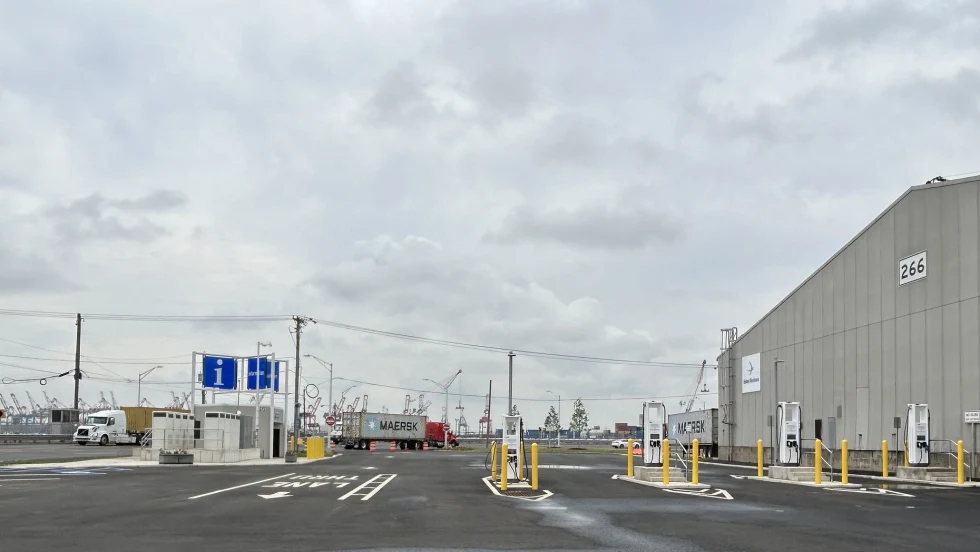
Port Authority and CALSTART Launch $45 Million Electric Truck and Charging Programs
The programs aim to boost sustainable operations across the East Coast's busiest seaport.
Read More →
Moving Government Fleets Beyond the Vehicle Purchase: EV as a Service
A discussion on how EVaaS is moving beyond pilot programs and what fleets should consider before beginning a larger deployment.
Read More →
Moving Government Fleets Beyond the Vehicle Purchase: EV as a Service
As fleets move beyond small EV pilots, Sustainability Partners CEO Adam Cain explains how EVaaS can address the infrastructure and long-term planning required for larger deployments.
Read More →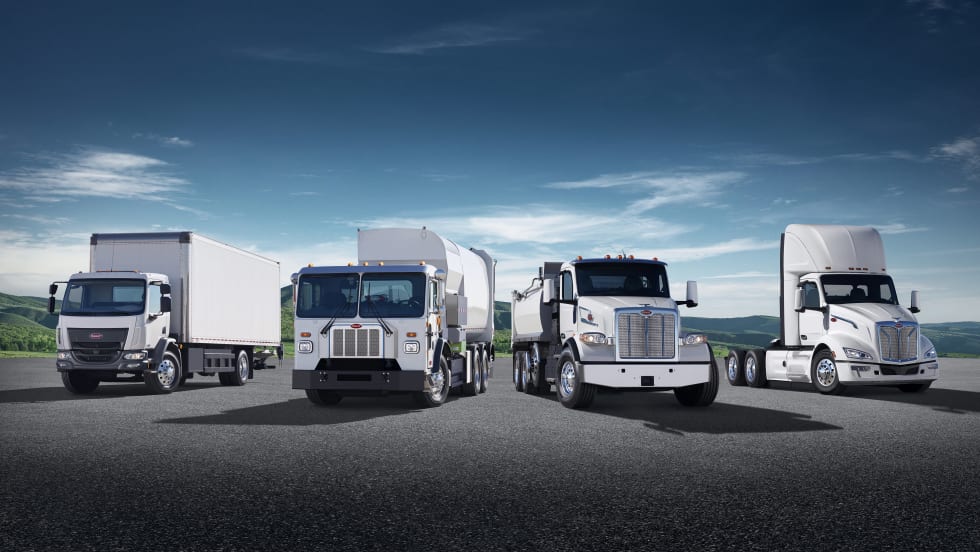
Peterbilt Expands Sourcewell Partnership with Electric Vehicle Lineup
The agreement aims to provide streamlined procurement of Peterbilt trucks for government, education, nonprofit and tribal organizations across the United States and Canada.
Read More →
EV Adoption & Charging Challenges
Where is your fleet in the journey of vehicle electrification? If you're still looking for answers to fleet electrification you've come to the right place.
Read More →
Hawaii Passes Clean Fuel Policy
Hawaii lawmakers passed clean fuel legislation that could support renewable natural gas production, biogas-powered transportation, and lower-carbon fueling options for public and commercial fleets.
Read More →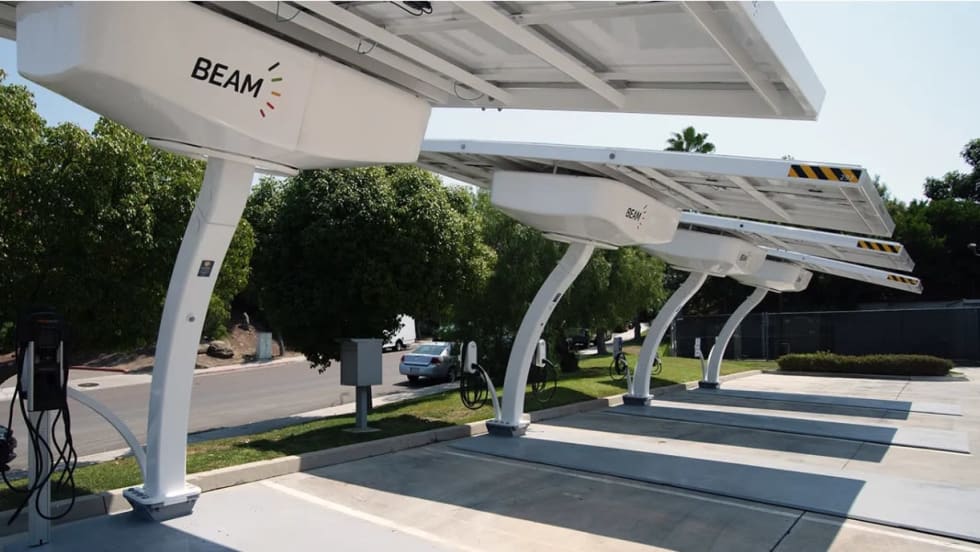
Stanislaus County Deploys Ten Beam Global EV ARC Systems to Support County Fleet Electrification
Stanislaus County deployed 10 off-grid solar-powered EV charging systems and a mobile charging trailer from Beam Global to support its electric fleet operations and emergency response flexibility.
Read More →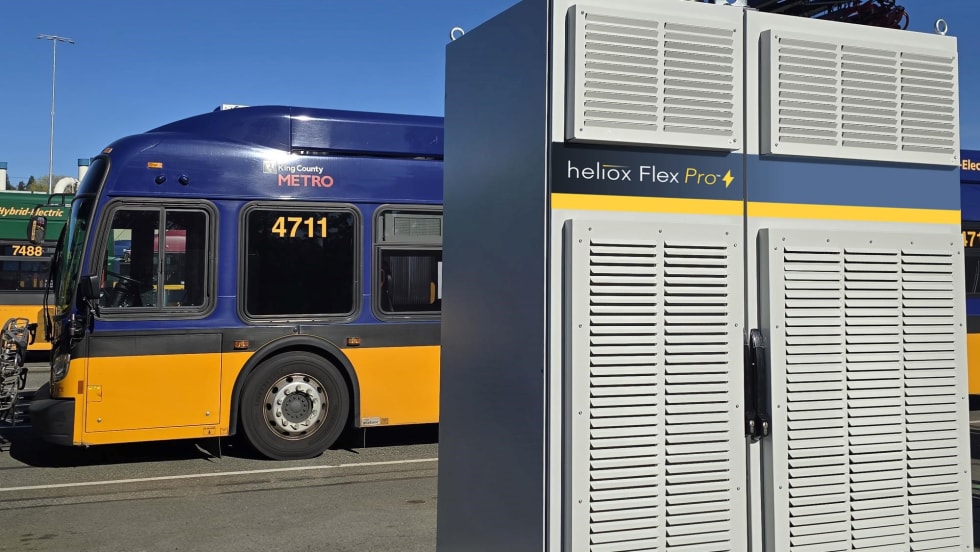
Heliox Pilots 480-kW Bus Charger with King County Metro
King County Metro is piloting Heliox’s new 480-kW Flex Pro charger to support expansion of its battery-electric bus fleet and depot charging infrastructure. The compact charging system supports pantograph and plug-in charging configurations for high-density transit operations.
Read More →