





Learn More: Pittsburg Receives State Grant for EV Fleet Chargers
Pacific Power Grants Helping Oregon Jump-Start Electric Mobility
Nonprofits, local governments, and school districts served by Pacific Power will receive over $1.3 million in grants for innovative clean transportation projects.
December 21, 2020
2 min to read
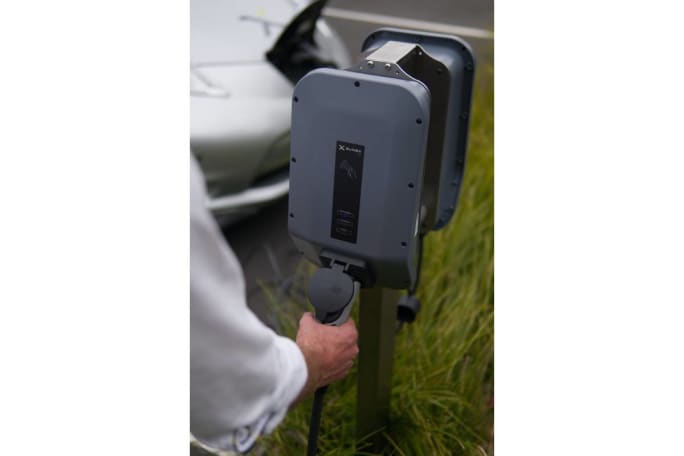
Nonprofits, local governments, and school districts served by Pacific Power will receive over $1.3 million in grants for innovative clean transportation projects.
Nonprofits, local governments, and school districts served by Pacific Power will receive over $1.3 million in grants for innovative clean transportation projects. Electric Mobility Grants will fund a range of community-driven electric transportation projects from purchasing e-bike instant rebates for 60 individuals in low-income households to building a mobile electric vehicle showroom that will bring interactive consumer engagement to underserved communities. Several grant recipients will use the funds to purchase nontraditional electric vehicles, including an electric tractor that will be loaned to local farmers, and utility vehicles that will be used for irrigation and farming work.
“We were blown away by the ingenuity and scope of the proposed projects,” said Cory Scott, managing director of customer solutions. “Grant funds will support efforts to provide more sustainable agricultural equipment options that could lower farm operating costs. Some of the electric mobility projects will ensure traditionally underserved communities have clean transportation alternatives and, in one case, increase sustainable access to healthcare. Grant recipients displayed a high-level of creativity and innovation in how electricity can power vehicles, communities, and the future.”
Funding for these grants are made possible by the Oregon Clean Fuels Program, which is administered by the state Department of Environmental Quality and aims to reduce the carbon intensity of Oregon’s transportation fuels. Pacific Power raises funds through the sale of Clean Fuels Program credits, which the company aggregates on behalf of customers who charge their electric vehicles at home.
Electric Mobility Grant Recipients:
Hacienda CDC – Charging infrastructure in support of affordable housing.
Corvallis-Benton County – e-bikes and helmet rebate program for low-income households.
The Environmental Center – Partnering with Forth to develop a mobile electric transportation showroom. Partnering with the Center for Transportation and Environment to deliver electric bus and e-bike outreach and training.
Crook County Fairgrounds – Electric tractor funding to support Electrifying Oregon’s Agricultural Economy initiative.
Central Oregon Intergovernmental Council – Electric bus feasibility and needs assessment for public transit system.
Oregon Environmental Council – Charging infrastructure and electric utility vehicles to demonstrate viability within Oregon’s agricultural sector.
North by Northeast Community Health Center – Charging infrastructure and electric vehicle to support a medical clinic devoted to African American health equity.
City of Mosier – Electric vehicle and e-bike charging infrastructure.
Bend-LaPine Schools – Charging infrastructure and electric bus to support school bus fleet.
More Green Fleet
Sustainability Partners, Energy Systems Group Help Albuquerque Close the Gap on its 100% Renewable Energy Goal
The eight-site, 6 MW solar project has advanced the city toward 100% renewable energy for municipal operations.
Read More →
Port Authority and CALSTART Launch $45 Million Electric Truck and Charging Programs
The programs aim to boost sustainable operations across the East Coast's busiest seaport.
Read More →
Moving Government Fleets Beyond the Vehicle Purchase: EV as a Service
A discussion on how EVaaS is moving beyond pilot programs and what fleets should consider before beginning a larger deployment.
Read More →
Moving Government Fleets Beyond the Vehicle Purchase: EV as a Service
As fleets move beyond small EV pilots, Sustainability Partners CEO Adam Cain explains how EVaaS can address the infrastructure and long-term planning required for larger deployments.
Read More →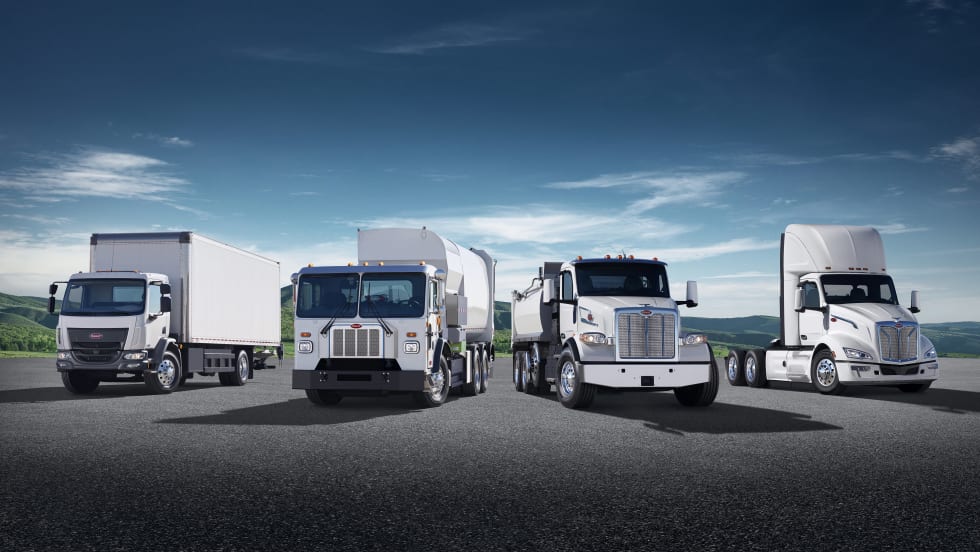
Peterbilt Expands Sourcewell Partnership with Electric Vehicle Lineup
The agreement aims to provide streamlined procurement of Peterbilt trucks for government, education, nonprofit and tribal organizations across the United States and Canada.
Read More →
EV Adoption & Charging Challenges
Where is your fleet in the journey of vehicle electrification? If you're still looking for answers to fleet electrification you've come to the right place.
Read More →
Hawaii Passes Clean Fuel Policy
Hawaii lawmakers passed clean fuel legislation that could support renewable natural gas production, biogas-powered transportation, and lower-carbon fueling options for public and commercial fleets.
Read More →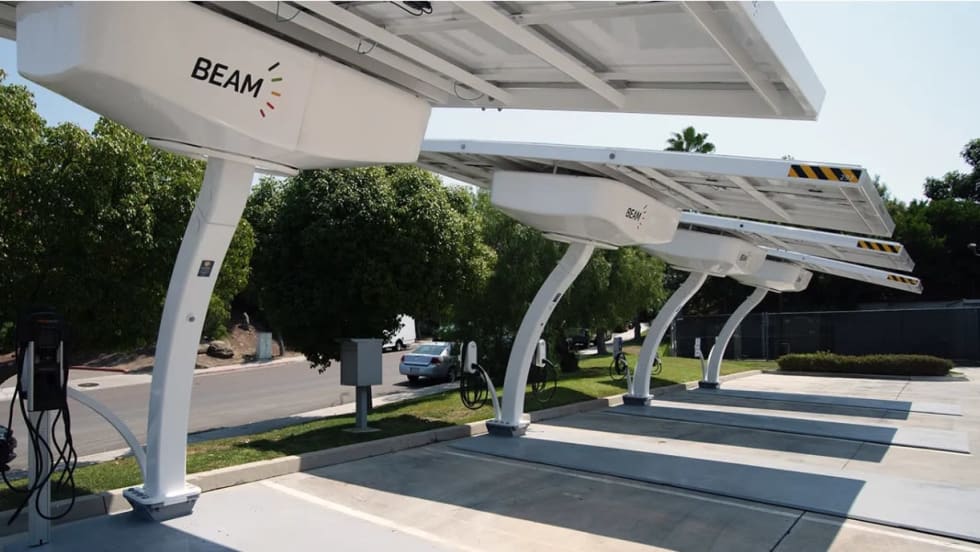
Stanislaus County Deploys Ten Beam Global EV ARC Systems to Support County Fleet Electrification
Stanislaus County deployed 10 off-grid solar-powered EV charging systems and a mobile charging trailer from Beam Global to support its electric fleet operations and emergency response flexibility.
Read More →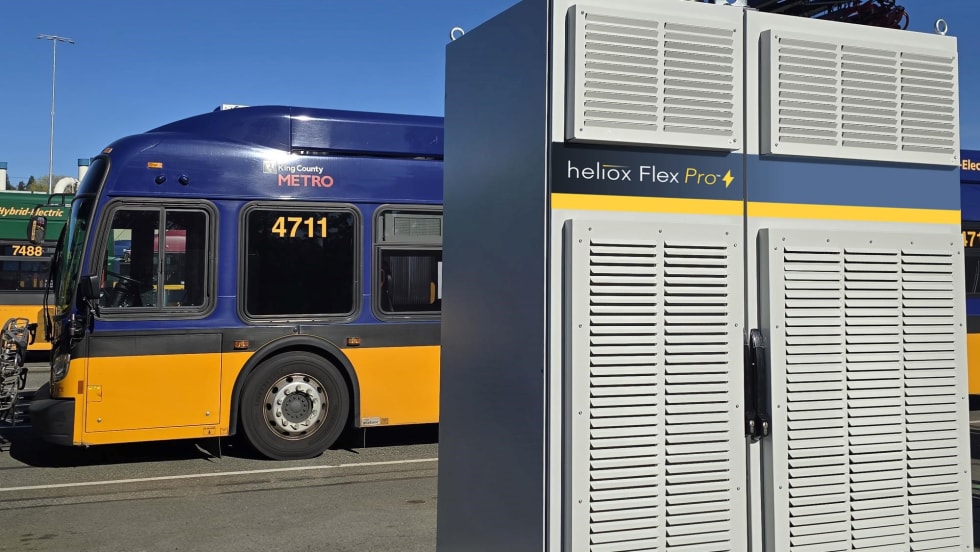
Heliox Pilots 480-kW Bus Charger with King County Metro
King County Metro is piloting Heliox’s new 480-kW Flex Pro charger to support expansion of its battery-electric bus fleet and depot charging infrastructure. The compact charging system supports pantograph and plug-in charging configurations for high-density transit operations.
Read More →