




Oklahoma Association Selects New Board Members at Annual Conference
The Oklahoma Public Fleet Management Association (OPFMA) announced its new board members at the group’s fourth annual convention in Tulsa, Okla., on Oct. 10.

The OPFMA conference included educational sessions, panels, training, and after-hours networking. Photo courtesy of OPFMA

The two-day event brought together 260 fleet professionals from 21 states. Photo courtesy of OPFMA
The Oklahoma Public Fleet Management Association (OPFMA) announced its new board members at the group’s fourth annual convention in Tulsa, Okla., on Oct. 10.
John Reel from the City of Tulsa was elected as president of the group. Mike Wallace, City of Tulsa, is vice president; Clayton Norrell from the Oklahoma Department of Transportation is associate vice president; Randy Cloud from Tulsa Transit is treasurer; Caitlin Sowders, City of Weatherford, is the social media representative; and Diane Whalen from the City of Tulsa is secretary. The board also consists of three members at large, three vendor representatives, and past presidents Brian Franklin from the City of Tulsa, Robert Swepston from the City of Muskogee, John Maehs from the City of Stillwater, and Dennis Bothell from the City of Lawton.
The two-day event brought together 260 fleet professionals from 21 states, 58 different cities, and 90 fleet and service organizations. Sixty technicians participated in hands-on training, and 50 automotive students attended from Tulsa Union High School and Tulsa Technology Center. The event featured Public Fleet Summit speakers Dave Seavey, John Hunt, and Sam Lamerato.
The Oklahoma Clean Cities Coalition facilitated an alternative fuels panel and discussed electric, compressed natural gas, and propane fuels, as well as driverless vehicle technology. After-hours networking occurred at the Tulsa Greenwood Cultural Center where attendees enjoyed live music.

The OPFMA conference included educational sessions, panels, training, and after-hours networking. Photo courtesy of OPFMA
More Operations
Is Delaying Fleet Replacement Really Saving Money?
Could delaying replacement cost your fleet more than it saves? This week’s recap takes a closer look, plus an update on GFX 2027.
Read More →
What Government Fleets Are Missing About Their True Costs
What are fleet budgets missing, and how can agencies use the data they already collect to make a stronger case for change?
Read More →
Rethinking Fleet Decisions From the Budget Office to the Shop
This October we looked back at how public fleets are reconsidering familiar processes and using what they learn to make better decisions.
Read More →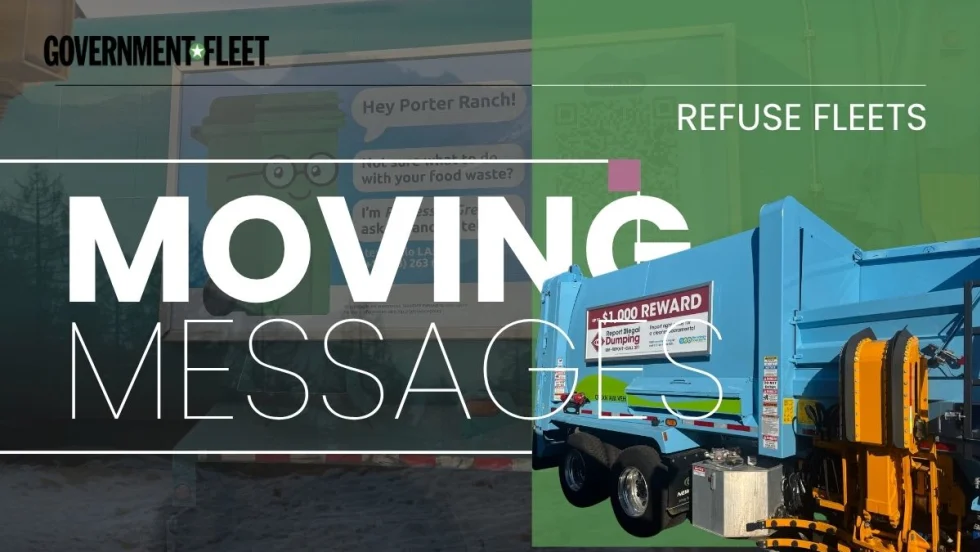
Who Owns the Message on a Refuse Truck?
Refuse trucks can carry public messages into neighborhoods, but keeping those messages current takes planning and clear responsibility.
Read More →
Who Deserves Fleet Recognition and What Could You Teach at GFX?
Who helped shape your fleet career, and what have you learned that could help someone else?
Read More →
What’s Haunting Public Sector Fleets?
Public sector fleet challenges rarely happen in isolation, and addressing one often means understanding how it connects to another.
Read More →
Is Keeping Older Fleet Vehicles Really Saving Money?
Is keeping vehicles longer saving money, and what happens when a diagnostic test points to the wrong fix?
Read More →
How Smart Fleet Strategy Can Help Local Government Agencies Do More with Less
Keeping a vehicle longer may ease this year’s budget, but what does it cost the next one? A closer look at fleet decisions can reveal opportunities to reduce spending while protecting essential services.
Read More →
Connect with Government Fleet on LinkedIn
From industry news and fleet management strategies to conversations with peers, Government Fleet's LinkedIn page offers public-sector fleet professionals another way to stay informed and connected.
Read More →
Town of Queen Creek Named Most Successful Fleet Award Winner of Inaugural RTA Fleet Success Awards
Five fleets were honored at RTA Connect 2026 in Chicago for excellence across resource efficiency, intentional culture, risk management, and stakeholder satisfaction.
Read More →