





Clean Fleets and Ohio: Battle Motors Expands Ohio Factory
Ohio Approves $100 Million for EV Charging
Ohio has been approved for $100 million to build a charging infrastructure throughout the state, starting with interstate corridors.
November 2, 2022
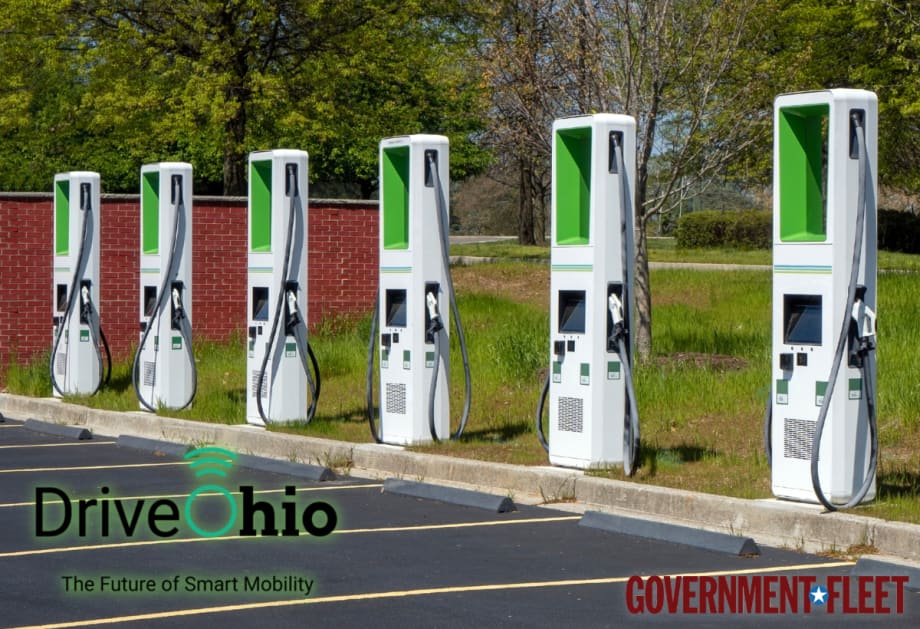
Government Fleet/DriveOhio
2 min to read
Ohio Governor Mike DeWine and Lt. Governor Jon Husted announced in a press release that the state will receive approximately $100 million to develop an electric vehicle (EV) charging infrastructure over the next five years.
DriveOhio, a division of ODOT, will help with the development and is already accepting proposals from EV infrastructure companies.
DriveOhio states the proposals must align with Ohio's EV Infrastructure Deployment plan. The charging stations need to support at least four direct current fast chargers with at least 150 kilowatts per port that will focus on interstate corridors.
Once the interstate corridors are completed, the next task is adding EV charging infrastructures to state tourist attractions, freight corridors, and any additional corridors.
Proposals can be submitted to ODOT until December 21, 2022.
In a press release, Lt. Governor Husted said, “This investment gives Ohio another opportunity to compete for the future of the auto industry. Leading in the automotive sector has been a priority for Ohio for quite some time, and as part of that goal, we’ll continue to work towards building up the EV workforce, so that businesses have access to talent, and Ohioans can secure a career in a new, innovative industry right here in our state.”
Ohio Progresses Toward an Electric Future
To push America toward vehicle electrification, the National Electric Vehicle Infrastructure Law Infrastructure Formula Program allows states to submit an Electric Vehicle Infrastructure Deployment Plan to receive funding for infrastructures.
Ohio Electric Vehicle Infrastructure Deployment Plan was created in August 2022. The plan is to install charging stations approximately every 50 miles on interstates across Ohio.
Once the interstates are fully built-out, funding will then go toward EV chargers along U.S. and state routes, with a statewide goal to create a reliable charging network for EV drivers over the next five years.
The state will receive $20.7 million annually over the next five years to create the EV charging network across the state.
More Operations

Town of Queen Creek Named Most Successful Fleet Award Winner of Inaugural RTA Fleet Success Awards
Five fleets were honored at RTA Connect 2026 in Chicago for excellence across resource efficiency, intentional culture, risk management, and stakeholder satisfaction.
Read More →
Sponsored•October 14, 2026
A buyer's guide to fleet management software in 2027
Buying fleet management software in 2027 means looking beyond features and price. As fleet operations, technology and expectations evolve, this guide explores what today’s fleet professionals should consider when choosing a system that can deliver value now and adapt to what comes next.
Read More →
Hazard Alerts, Fleet Car Sales Rise and a New Shuttle Concept
Fleet car sales doubled, but the bigger picture tells a different story in this week’s roundup.
Read More →
How St. Johns County Turned Fleet Data Into Better Replacement Decisions
St. Johns County, Florida, had fleet data, but turning it into reliable decision guidance was another matter. Instead of starting over with a new fleet management system, the county connected existing tools and built a scoring system that gives managers an objective look at fleet health.
Read More →
Fleet Forward Conference Introduces One-Day Passes for 2026
New one-day registration lets fleet professionals attend Tuesday, Wednesday, or Thursday, with passes available for $249.
Read More →
ENC Unveils its ZAVIR Medium-Duty Shuttle
Two variants of the concept shuttles were revealed: a low-floor configuration and a high-floor configuration.
Read More →
Could Your Next Fleet Technician Start as an Intern?
What if your next technician hasn’t worked in a fleet shop yet? What fleets are doing to free up time.
Read More →
How Phoenix Is Building Its Next Generation of Fleet Technicians
With more than 8,000 vehicles and pieces of equipment to maintain, the City of Phoenix could not afford to wait for fully trained technicians to walk through the door. Instead, they revamped their entire workforce strategy and showed how public fleets can create their own talent pipeline while preparing existing employees for increasingly complex vehicles.
Read More →
What’s Slowing Your Fleet Down?
Could a change in how work gets done help your fleet return vehicles to service sooner?
Read More →
Can Public Fleets Trust the Data Driving Their Decisions?
Public fleets have more data than ever, but inconsistent records and missing information can still undermine maintenance, replacement, and cost decisions.
Read More →