





Related: NYC Releases Annual Mayor's Management Report on Fleet
NYC Installs 58 Fast Chargers for EV Fleet
Faster charging will enable New York City to phase out more gas-powered vehicles and replace them with electric vehicles.
January 25, 2021
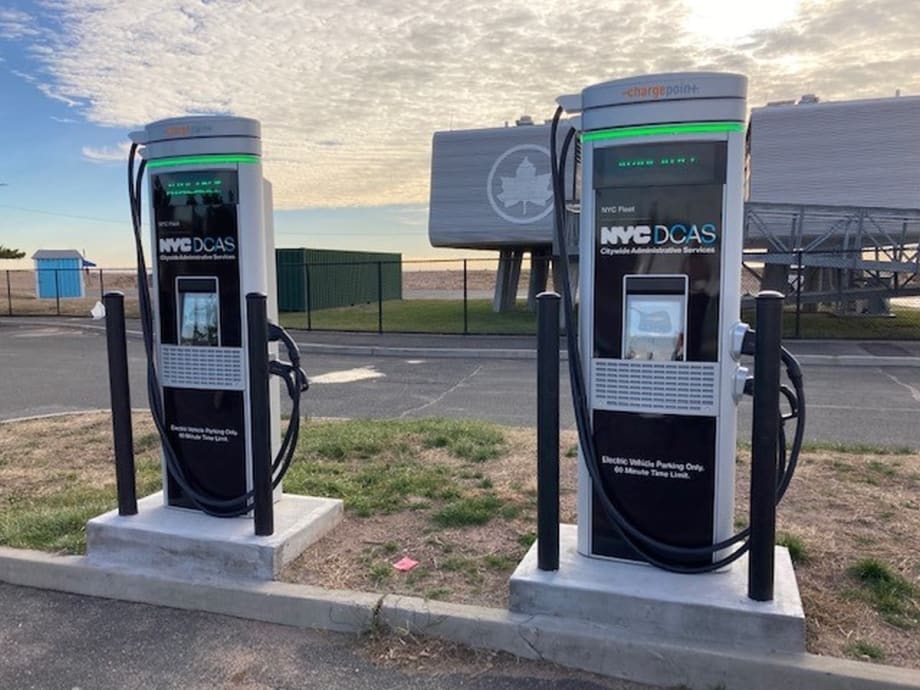
Faster chargers will be used for New York City's growing electric vehicle fleet.
Photo: NYC
2 min to read
New York City’s 58 new fast electric vehicle (EV) charging stations will charge city fleet vehicles seven times as quickly as regular chargers and allow for 120 miles of driving on a one-hour charge, the city’s Department of Citywide Administrative Services (DCAS) Commissioner Lisette Camilo announced. This year, the city fleet will have at least 100 fast-charging stations in operation.
Faster charging will enable DCAS to phase out more gas-powered vehicles and replace them with electric vehicles to help meet Mayor Bill de Blasio’s goal of a fully-electric vehicle fleet by 2040. The city currently has more than 2,700 electric vehicles in its fleet that have already replaced traditional gas-powered models. DCAS is in the process of bidding additional electric vehicle contracts for fleet vehicles used in government operations, including electric garbage trucks for the Department of Parks and Recreation, electric vans, and electric pickup trucks. These new units will rely on the fast-charging network.
In addition to the chargers’ use for city fleet vehicles, at least five stations will also be available for use by the public by June. The city currently has more than 1,000 EV charging ports, including 87 solar mobile carports that can charge vehicles using sunlight.
“Thanks to Mayor de Blasio, NYC Fleet is on its way to an all-electric future by 2040,” said, Keith Kerman, NYC chief fleet officer and DCAS deputy commissioner. “Fast charging is critical to support the expansion of plug-in technology to the city’s fleet of vans, pickups, and public works trucks that support critical public services every day. This new clean charging infrastructure paves the way for the fleet of tomorrow.”
To date, DCAS has replaced 2,200 gas-powered on-road fleet vehicles with plug-in electric models. The city also operates over 500 off-road electric and solar units. Through electric vehicles, hybrids, and other efficiencies, DCAS has reduced total fuel use by over 2.8 million gallons over the last three years. The benefits of an electric fleet are not only greener, but economical as well. Compared to gas-powered vehicles, the all-electric sedan costs 65% less to maintain, saving over $550 per year for each vehicle.
In addition to ongoing investments in green technologies to reduce emissions, in March 2019 Mayor Bill de Blasio signed an executive order to reduce the size of the city’s on-road vehicle fleet by March 2021. The city is on target to meet and exceed this goal.
More Green Fleet
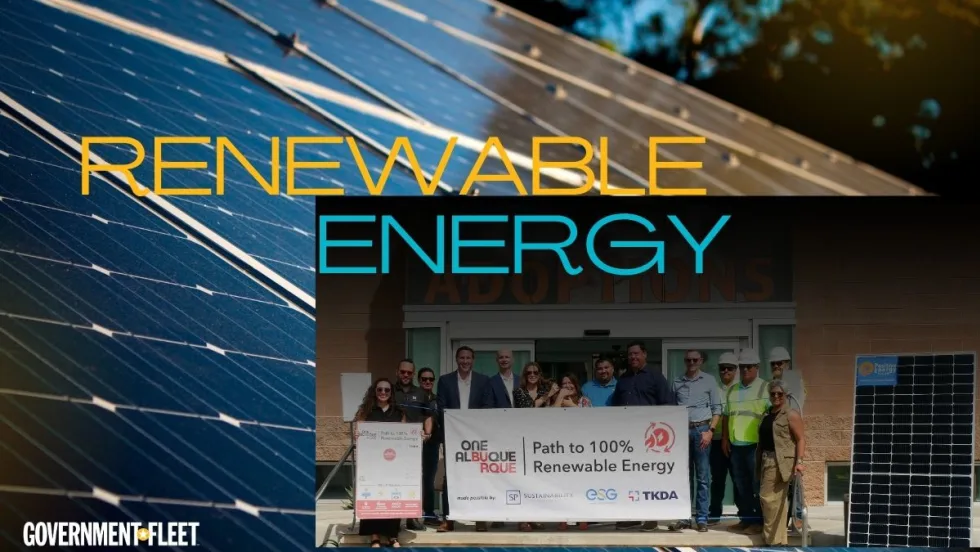
Sustainability Partners, Energy Systems Group Help Albuquerque Close the Gap on its 100% Renewable Energy Goal
The eight-site, 6 MW solar project has advanced the city toward 100% renewable energy for municipal operations.
Read More →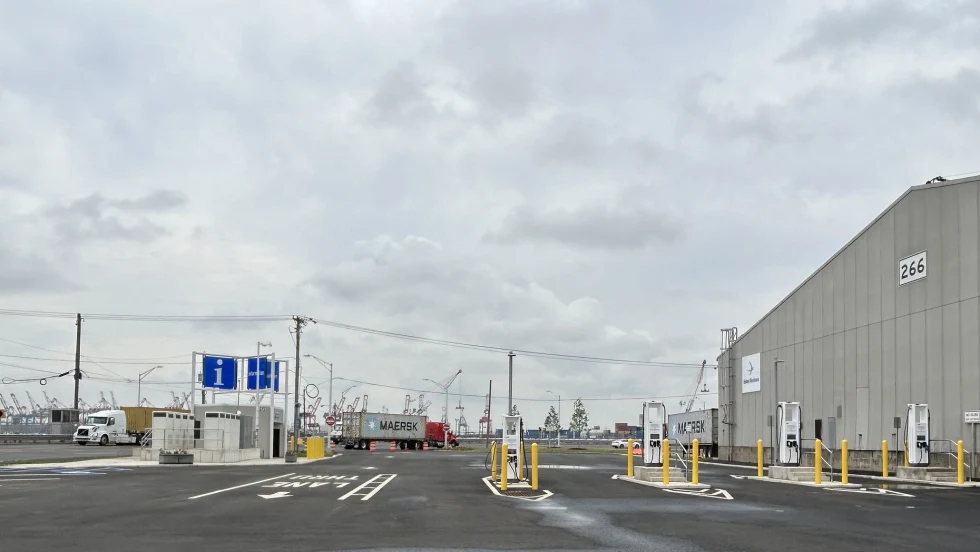
Port Authority and CALSTART Launch $45 Million Electric Truck and Charging Programs
The programs aim to boost sustainable operations across the East Coast's busiest seaport.
Read More →
Moving Government Fleets Beyond the Vehicle Purchase: EV as a Service
A discussion on how EVaaS is moving beyond pilot programs and what fleets should consider before beginning a larger deployment.
Read More →
Moving Government Fleets Beyond the Vehicle Purchase: EV as a Service
As fleets move beyond small EV pilots, Sustainability Partners CEO Adam Cain explains how EVaaS can address the infrastructure and long-term planning required for larger deployments.
Read More →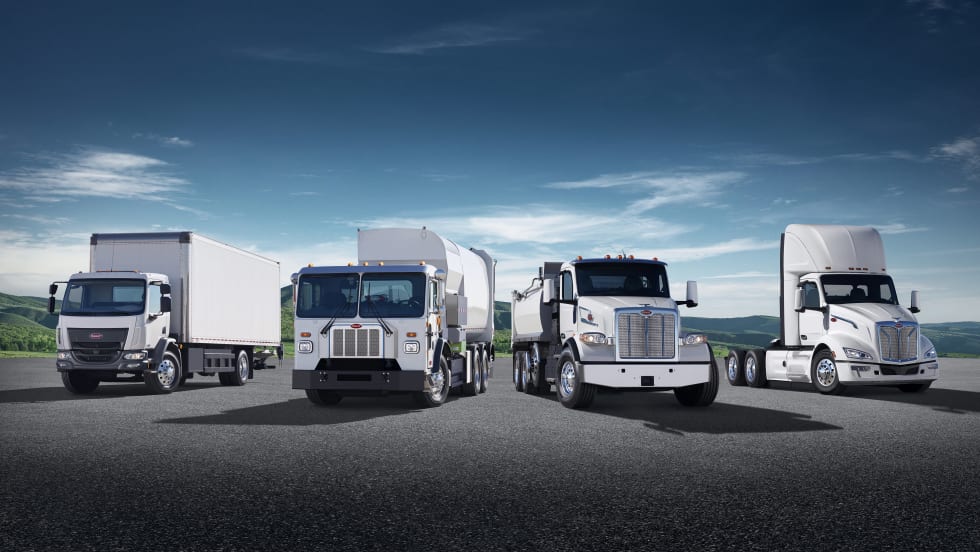
Peterbilt Expands Sourcewell Partnership with Electric Vehicle Lineup
The agreement aims to provide streamlined procurement of Peterbilt trucks for government, education, nonprofit and tribal organizations across the United States and Canada.
Read More →

EV Adoption & Charging Challenges
Where is your fleet in the journey of vehicle electrification? If you're still looking for answers to fleet electrification you've come to the right place.
Read More →
Hawaii Passes Clean Fuel Policy
Hawaii lawmakers passed clean fuel legislation that could support renewable natural gas production, biogas-powered transportation, and lower-carbon fueling options for public and commercial fleets.
Read More →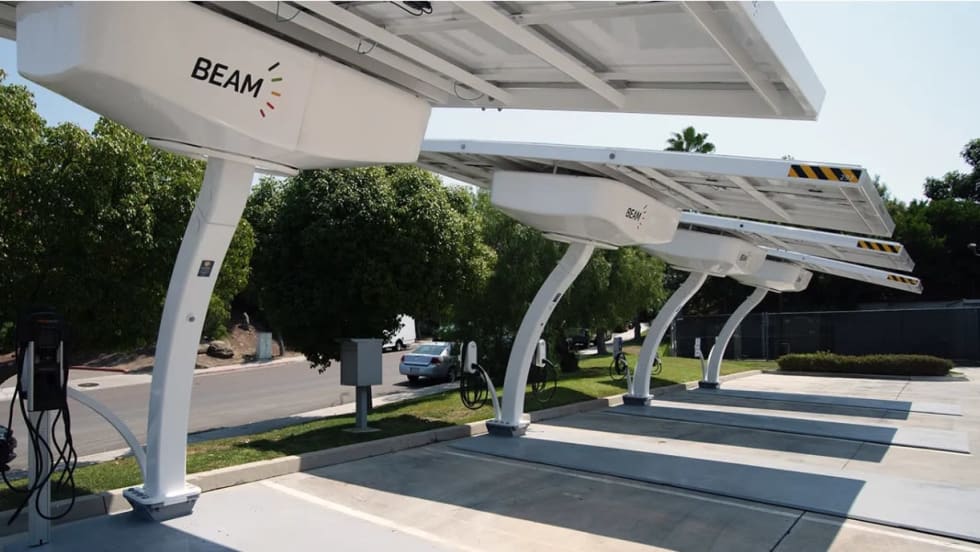
Stanislaus County Deploys Ten Beam Global EV ARC Systems to Support County Fleet Electrification
Stanislaus County deployed 10 off-grid solar-powered EV charging systems and a mobile charging trailer from Beam Global to support its electric fleet operations and emergency response flexibility.
Read More →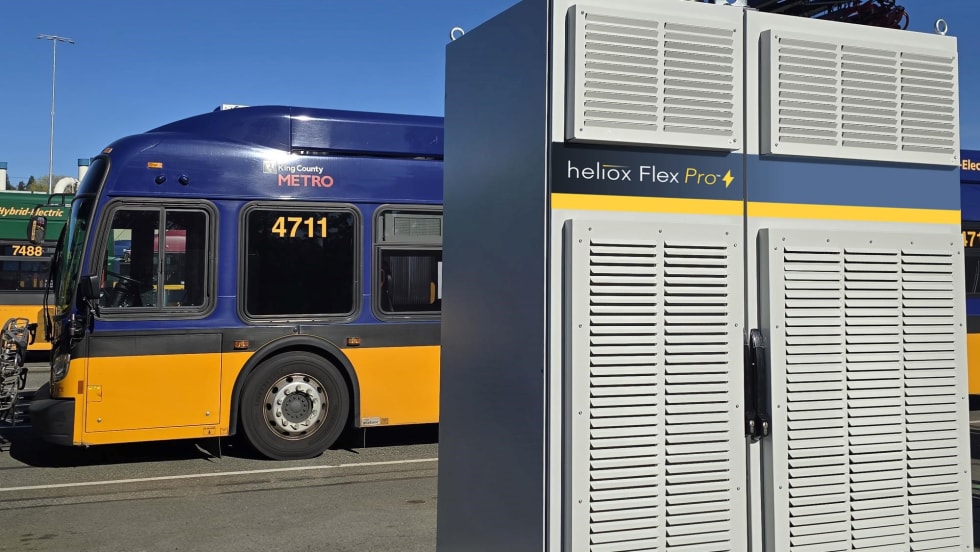
Heliox Pilots 480-kW Bus Charger with King County Metro
King County Metro is piloting Heliox’s new 480-kW Flex Pro charger to support expansion of its battery-electric bus fleet and depot charging infrastructure. The compact charging system supports pantograph and plug-in charging configurations for high-density transit operations.
Read More →