




Want More? New Emission Standards, New ICE Challenges
NHTSA Proposes New Fuel Economy Standards for MY2027 Vehicles and Beyond
The proposed standards could allow light-duty vehicles to reach 58 miles per gallon by 2032.

Christy Grimes・Former Senior Editor
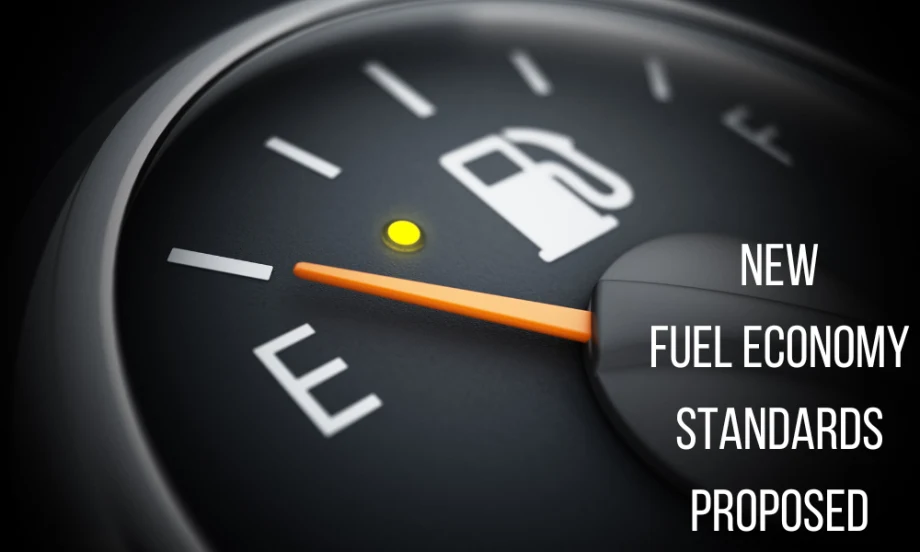
NHTSA's is proposing to increase fuel efficiency in new vehicles at 2% per year for passenger cars and at 4% per year for light trucks, year over year from model year 2027 through model year 2032; and 10% per year for HDPUVs, year over year from model year 2030 through model year 2035.
Photo: Canva
3 min to read
The National Highway Transportation Safety Administration (NHTSA) has proposed new corporate average fuel economy (CAFE) standards for new vehicles beginning with the 2027 model year.
If implemented, the proposed changes could allow light-duty vehicles to reach 58 miles per gallon by 2032, and an industry fleet-wide average for heavy-duty pickups and vans (HDPUVs) of roughly 2.6 gallons per 100 miles in model year 2038.
“CAFE standards have driven the auto industry to innovate in improving fuel economy in ways that benefit our nation and all Americans,” NHTSA Acting Administrator Ann Carlson said. “The new standards we’re proposing...would advance our energy security, reduce harmful emissions, and save families and business owners money at the pump. That’s good news for everyone.”
A spokesperson for NHTSA told Government Fleet that the standards will make vehicles "more fuel efficient and cost-effective" for public sector fleets.
According to its proposal, NHTSA recognized that the Environmental Protection Agency (EPA) recently issued its own proposal to set new multi-pollutant emissions standards for model years 2027 and later light-duty and medium-duty vehicles. Government Fleet reported in April 2023 that the EPA's proposed standards would Avoid nearly 10 billion tons of CO2 emissions, equivalent to more than twice the total U.S. CO2 emissions in 2022.
NHTSA’s proposed fuel economy standards complement and align with EPA's recently proposed emissions standards. The two agencies collaborated in developing NHTSA's proposal to avoid inconsistencies with EPA's existing proposal.
The proposed rule sets targets that are consistent with Congress’ direction to conserve fuel and promote American energy independence and American auto manufacturing, while providing flexibility to industry on how to achieve those targets, according to a press release.
Currently, light-duty vehicles must average 49 miles per gallon by 2026 under CAFE standards adopted by the Biden Administration in 2022.
What NHTSA Proposed: The Basics
NHTSA is proposing to increase fuel efficiency at:
2% per year for passenger cars and at 4% per year for light trucks, year over year from model year 2027 through model year 2032.
10% per year for HDPUVs, year over year from model year 2030 through model year 2035.
NHTSA estimates that if implemented, the changes would reduce gasoline consumption by 88 billion gallons relative to baseline levels for passenger cars and light trucks, and by approximately 2.6 billion gallons relative to baseline levels for HDPUVs through calendar year 2050.
Alternatives to the Proposal
NHTSA considered four action alternatives for passenger cars and light trucks:
Alternative One: Would increase CAFE stringency by 1% per year for passenger cars, and by 3% per year for light trucks.
Alternative Two: Would increase CAFE stringency by 2% per year for passenger cars, and by 4% per year for light trucks.
Alternative Three: Would increase CAFE stringency by 3% per year for passenger cars, and by 5% per year for light trucks.
Alternative Four: Would increase CAFE stringency by 6% per year for passenger cars, and by 8% per year for light trucks.
Additionally, NHTSA considered three action alternatives for HDPUVs.
Alternative One: Would increase HDPUV standard stringency by 4% per year.
Alternative Two: Would increase HDPUV standard stringency by 10% per year.
Alternative Three: Would increase HDPUV standard stringency by 14% per year.
The release of NHTSA's proposal on July 28 kicked off a public comment period. The agency is requesting comments on the full range of standards proposals, including comment on the potential combinations of standards that may not be explicitly identified in the proposal.
More Green Fleet
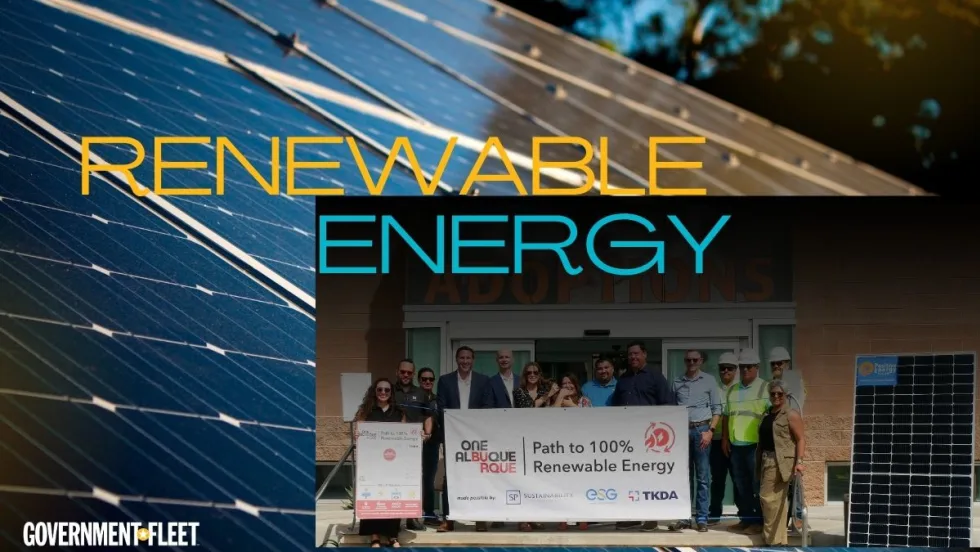
Sustainability Partners, Energy Systems Group Help Albuquerque Close the Gap on its 100% Renewable Energy Goal
The eight-site, 6 MW solar project has advanced the city toward 100% renewable energy for municipal operations.
Read More →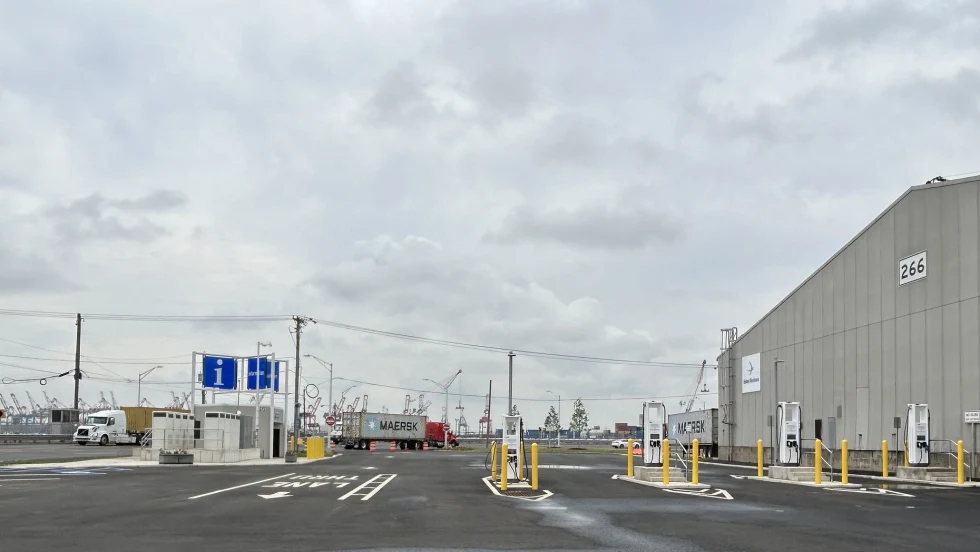
Port Authority and CALSTART Launch $45 Million Electric Truck and Charging Programs
The programs aim to boost sustainable operations across the East Coast's busiest seaport.
Read More →
Moving Government Fleets Beyond the Vehicle Purchase: EV as a Service
A discussion on how EVaaS is moving beyond pilot programs and what fleets should consider before beginning a larger deployment.
Read More →
Moving Government Fleets Beyond the Vehicle Purchase: EV as a Service
As fleets move beyond small EV pilots, Sustainability Partners CEO Adam Cain explains how EVaaS can address the infrastructure and long-term planning required for larger deployments.
Read More →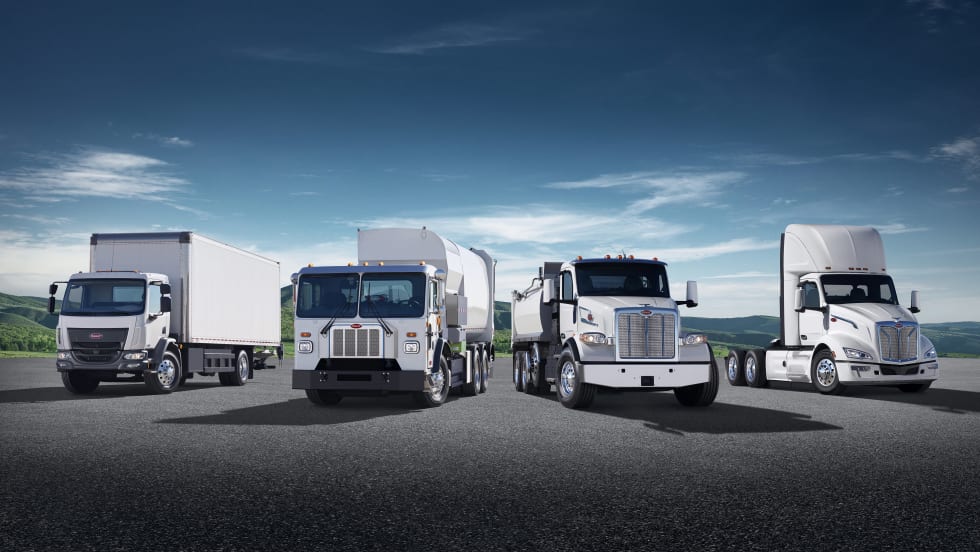
Peterbilt Expands Sourcewell Partnership with Electric Vehicle Lineup
The agreement aims to provide streamlined procurement of Peterbilt trucks for government, education, nonprofit and tribal organizations across the United States and Canada.
Read More →
EV Adoption & Charging Challenges
Where is your fleet in the journey of vehicle electrification? If you're still looking for answers to fleet electrification you've come to the right place.
Read More →
Hawaii Passes Clean Fuel Policy
Hawaii lawmakers passed clean fuel legislation that could support renewable natural gas production, biogas-powered transportation, and lower-carbon fueling options for public and commercial fleets.
Read More →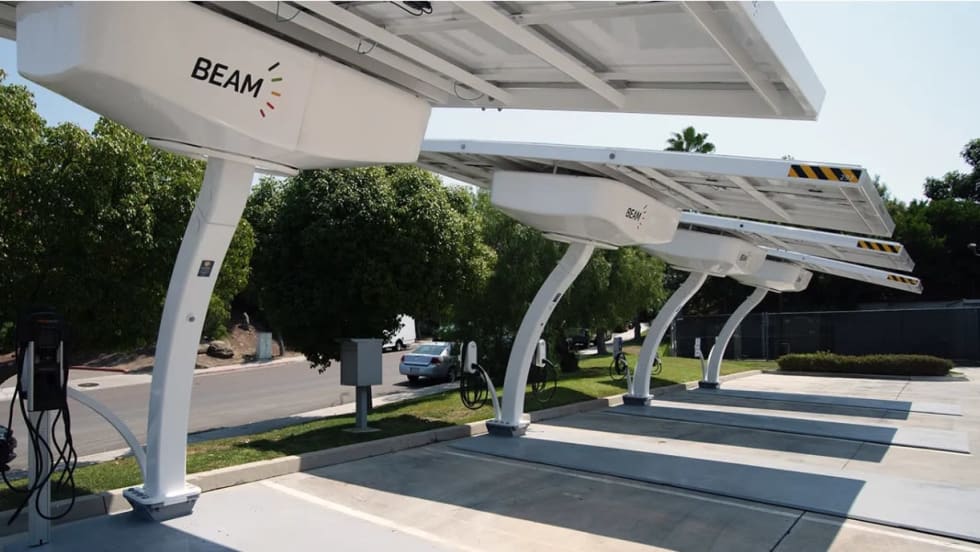
Stanislaus County Deploys Ten Beam Global EV ARC Systems to Support County Fleet Electrification
Stanislaus County deployed 10 off-grid solar-powered EV charging systems and a mobile charging trailer from Beam Global to support its electric fleet operations and emergency response flexibility.
Read More →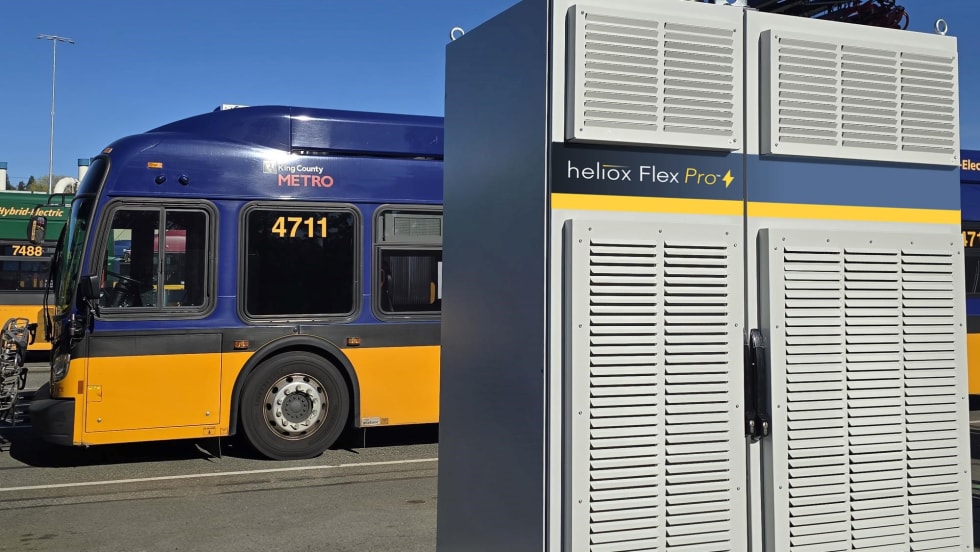
Heliox Pilots 480-kW Bus Charger with King County Metro
King County Metro is piloting Heliox’s new 480-kW Flex Pro charger to support expansion of its battery-electric bus fleet and depot charging infrastructure. The compact charging system supports pantograph and plug-in charging configurations for high-density transit operations.
Read More →