





Related: 6 Reasons Telematics is Essential for Snow Operations
New York State Prepares for Snow
The Department of Transportation will have its main maintenance facilities across the state staffed with fleet mechanics 24/7 to keep plow trucks on the road.
December 30, 2019

New York state agencies will have plow trucks and other snow, ice, and debris removal equipment ready to deploy.
Photo via Pixabay
2 min to read
In anticipation for winter weather, New York Governor Andrew Cuomo has directed state agencies to pre-deploy winter storm response assets. The National Weather Service is forecasting freezing rain and up to half an inch of ice in certain areas.
The New York State Department of Transportation has its snow, ice, and tree/debris equipment ready to deploy, including 1,596 large plow trucks, 181 medium-duty plows, 52 tow plows, 326 large loaders, 75 chippers, 37 traffic signal trucks, and 15 bucket trucks.
Grapples will be installed on loaders stationed in areas of potential icing that are not engaged in salt loading operations. Chippers will be hitched to medium-duty response vehicles. The DOT will have all traffic signal crews statewide ready to deploy if there are areas with a high number of signal outages.
All DOT facilities will be staffed for 24/7 operations, and fleet mechanics in affected areas will be staffing all main facilities 24/7 to perform repairs and keep trucks on the road.
The Thruway Authority has 691 operators and supervisors ready to deploy, as well as 241 large snowplows, 108 medium snowplows, 11 tow plows, and 62 loaders across the state with more than 118,000 tons of road salt on hand.
The New York State Police will be ready to deploy additional personnel to affected areas as needed. All four-wheel drive vehicles are in-service and all specialty vehicles, including snowmobiles and utility vehicles, are staged and ready for deployment.
More Operations

Fleet Forward Conference Introduces One-Day Passes for 2026
New one-day registration lets fleet professionals attend Tuesday, Wednesday, or Thursday, with passes available for $249.
Read More →
ENC Unveils its ZAVIR Medium-Duty Shuttle
Two variants of the concept shuttles were revealed: a low-floor configuration and a high-floor configuration.
Read More →
Could Your Next Fleet Technician Start as an Intern?
What if your next technician hasn’t worked in a fleet shop yet? What fleets are doing to free up time.
Read More →
How Phoenix Is Building Its Next Generation of Fleet Technicians
With more than 8,000 vehicles and pieces of equipment to maintain, the City of Phoenix could not afford to wait for fully trained technicians to walk through the door. Instead, they revamped their entire workforce strategy and showed how public fleets can create their own talent pipeline while preparing existing employees for increasingly complex vehicles.
Read More →
What’s Slowing Your Fleet Down?
Could a change in how work gets done help your fleet return vehicles to service sooner?
Read More →
Can Public Fleets Trust the Data Driving Their Decisions?
Public fleets have more data than ever, but inconsistent records and missing information can still undermine maintenance, replacement, and cost decisions.
Read More →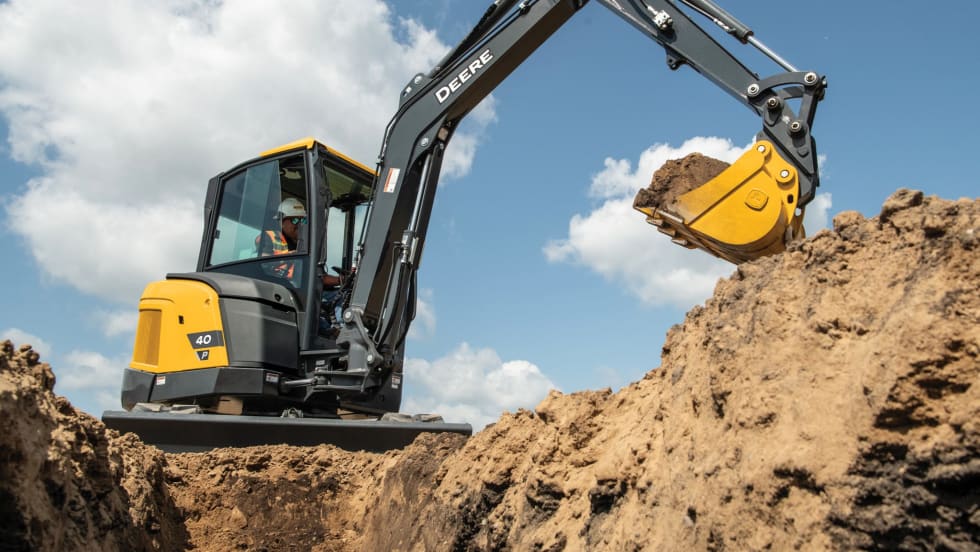
John Deere Introduces 40 P-Tier Compact Excavator
John Deere is adding a compact excavator designed for crews that need to move equipment between jobsites and handle multiple types of work with one machine. The 40 P-Tier weighs less than 10,000 pounds and offers configurable hydraulics, attachment options, and connected fleet-management capabilities.
Read More →
How Leading Fleets Improve and Why Business Plans Matter
This week, we look at what past Leading Fleet winners can teach us about making progress, plus how to build a business plan your fleet will actually use.
Read More →
Nominate a Fleet Leader for the 2027 Public Fleet Hall of Fame
Do you know a fleet leader who has made a lasting impact on the industry? Nominate this fleet professional for the 2027 Public Fleet Hall of Fame.
Read More →
Why Fleet Business Plans Need Three Perspectives
A fleet business plan should help agency leaders understand the fleet’s value, give the organization a clear direction, and establish shared expectations with customer departments.
Read More →