





North Carolina Awards $1.4M in Grants to Reduce Air Pollution from Diesel Vehicles
New Program Trains Technicians in EV Charging Stations
North Carolina's Wake Tech is leading a statewide pilot program to train technicians in the installation and maintenance of EV charging stations.
June 6, 2024
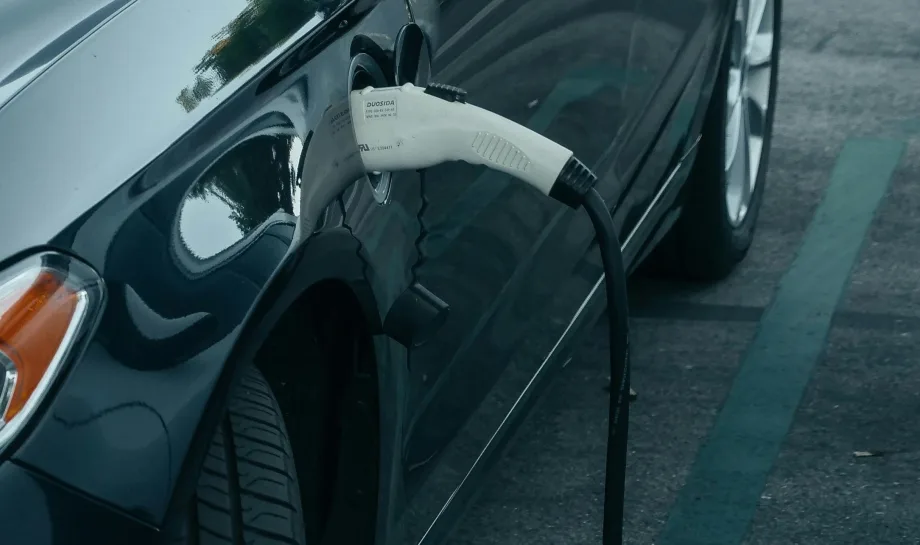
Students who successfully complete the course will receive a Wake Tech certificate and be prepared to sit for EVSE Field Technician credentialing through the Society of Automotive Engineers.
Photo: Pexels
2 min to read
Wake Tech Community College, located in Raleigh, North Carolina, is heading up a statewide pilot program to train technicians in the installation and maintenance of EV charging stations.
The college will launch the first EVSE (Electric Vehicle Supply Equipment) Field Technician Certificate course on June, 10, 2024 with the goal of replicating it across North Carolina. The accelerated six-week, non-degree course will be a hybrid of online and hands-on instruction.
A Push for Electric Vehicle certifications
Wake Tech recently announced that it received a $636,128 grant from the National Science Foundation to develop North Carolina's first electric vehicle courses and an EV certificate within the Automotive Systems Technology degree program.
The college had already been incorporating EV instruction, thanks to nearly $1 million in federal Community Project funds the college received last year.
The EVSE Field Technician Certificate course will combine an introduction to electrical systems and electric vehicles, including the following:
Codes
Standards and regulations
Electrical energy fundamentals
Electric vehicles and batteries
Charging stations
Commissioning
Maintenance
Students will learn electrical safety, charging station configuration and specification, communication systems, site inspection, troubleshooting and repair.
Demand for Cleaner and More Efficient Electric Vehicles
Recently, North Carolina Gov. Roy Cooper announced that the state surpassed his original registration goals outlined in Executive Order 80 – 80,000 zero-emission vehicles by 2025 – more than two years ahead of schedule. As of February 2024, this number is over 88,000.
Within the city of Raleigh, the fleet is working on an Electric Vehicle Implementation Strategy Rollout that is set to roll out during the next 10 years to eventually replace the entire fleet to electrification.
The fleet is currently going through a consulting company that is commencing in December 2023. This will be the fleet’s roadmap moving forward. Part of the change means looking at not only the technology and vehicles that will change the entire operation but the technicians and the protocols of how to fix these vehicles.
The Charlotte, North Carolina, Code Enforcement Division is also advancing sustainability goals by incorporating five new Ford F-150 Lightning electric vehicles into its fleet.
This move is part of the city's commitment to the Sustainable and Resilient Charlotte by 2050 Resolution and the Strategic Energy Action Plan (SEAP), both of which aim to reduce greenhouse gas emissions and promote the use of sustainable energy.
Students entering the EVSE Field Technician course will be required to have experience with electrical wiring. Those who successfully complete the course will receive a Wake Tech certificate and be prepared to sit for EVSE Field Technician credentialing through the Society of Automotive Engineers (SAE).
More Green Fleet
Sustainability Partners, Energy Systems Group Help Albuquerque Close the Gap on its 100% Renewable Energy Goal
The eight-site, 6 MW solar project has advanced the city toward 100% renewable energy for municipal operations.
Read More →
Port Authority and CALSTART Launch $45 Million Electric Truck and Charging Programs
The programs aim to boost sustainable operations across the East Coast's busiest seaport.
Read More →
Moving Government Fleets Beyond the Vehicle Purchase: EV as a Service
A discussion on how EVaaS is moving beyond pilot programs and what fleets should consider before beginning a larger deployment.
Read More →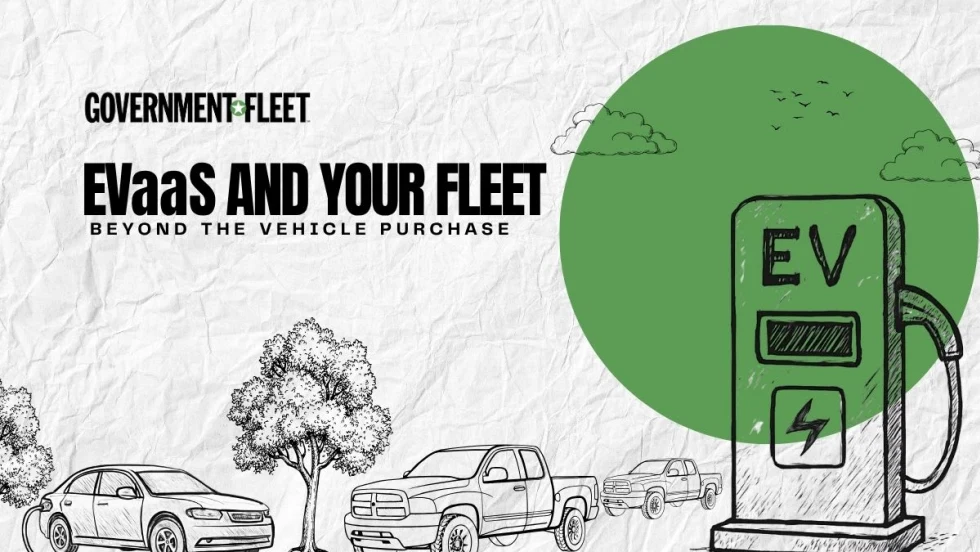
Moving Government Fleets Beyond the Vehicle Purchase: EV as a Service
As fleets move beyond small EV pilots, Sustainability Partners CEO Adam Cain explains how EVaaS can address the infrastructure and long-term planning required for larger deployments.
Read More →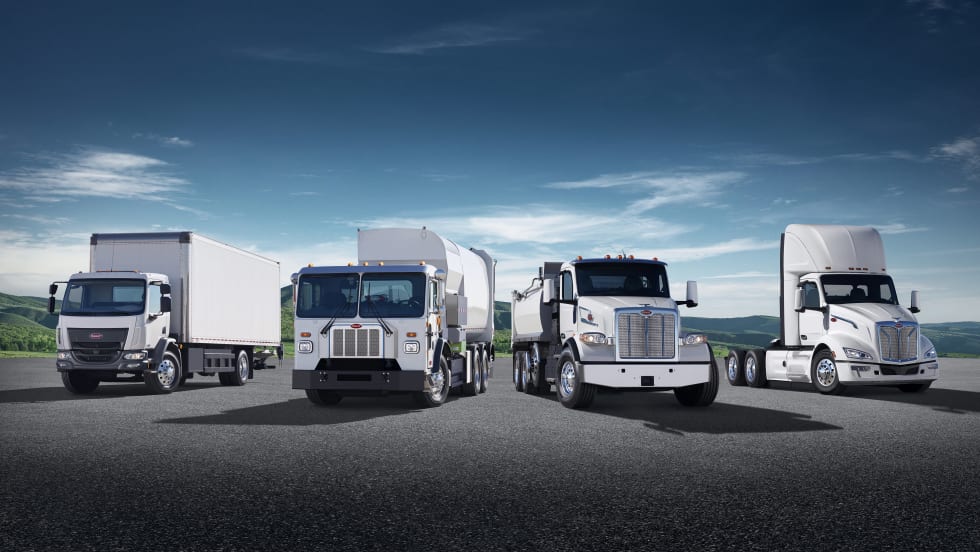
Peterbilt Expands Sourcewell Partnership with Electric Vehicle Lineup
The agreement aims to provide streamlined procurement of Peterbilt trucks for government, education, nonprofit and tribal organizations across the United States and Canada.
Read More →
EV Adoption & Charging Challenges
Where is your fleet in the journey of vehicle electrification? If you're still looking for answers to fleet electrification you've come to the right place.
Read More →
Hawaii Passes Clean Fuel Policy
Hawaii lawmakers passed clean fuel legislation that could support renewable natural gas production, biogas-powered transportation, and lower-carbon fueling options for public and commercial fleets.
Read More →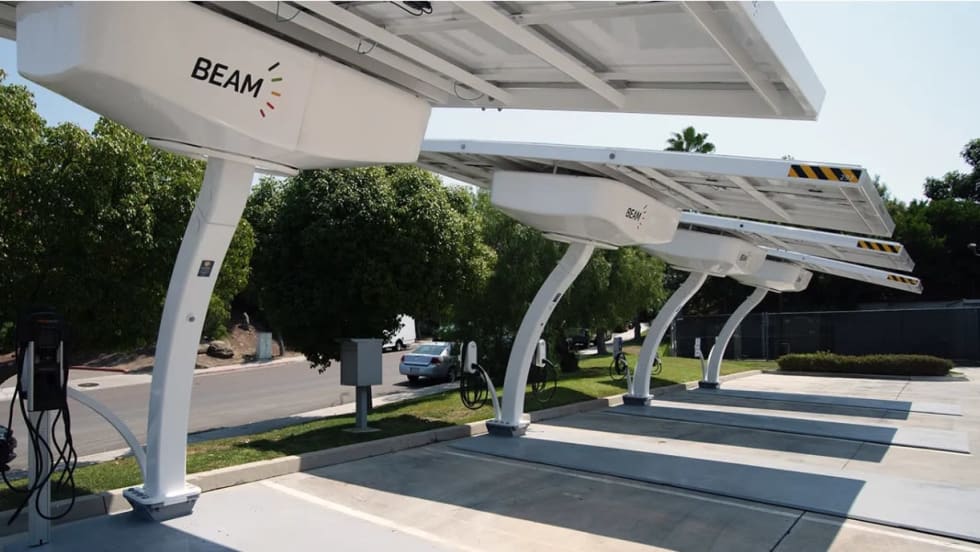
Stanislaus County Deploys Ten Beam Global EV ARC Systems to Support County Fleet Electrification
Stanislaus County deployed 10 off-grid solar-powered EV charging systems and a mobile charging trailer from Beam Global to support its electric fleet operations and emergency response flexibility.
Read More →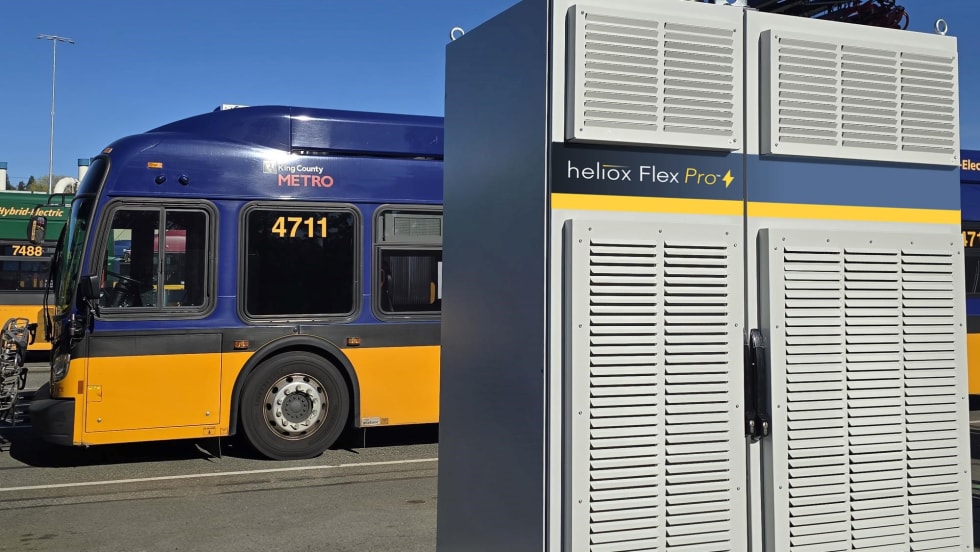
Heliox Pilots 480-kW Bus Charger with King County Metro
King County Metro is piloting Heliox’s new 480-kW Flex Pro charger to support expansion of its battery-electric bus fleet and depot charging infrastructure. The compact charging system supports pantograph and plug-in charging configurations for high-density transit operations.
Read More →