




Networkcar Announces Three-Year Agreement with East Bay Municipal Utility District
SAN DIEGO – Networkcar, a Reynolds and Reynolds company specializing in remotely monitoring vehicle location and diagnostics, was awarded a three-year contract to provide Networkcar's Networkfleet wireless vehicle management system to the East Bay Municipal Utility District (EB-MUD) located in Oakland, Calif.
SAN DIEGO – Networkcar, a Reynolds and Reynolds company specializing in remotely monitoring vehicle location and diagnostics, was awarded a three-year contract to provide Networkcar's Networkfleet wireless vehicle management system to the East Bay Municipal Utility District (EB-MUD) located in Oakland, Calif. The district supplies water to approximately 1.2 million residents, 20 incorporated cities, and 15 unincorporated communities in Alameda and Contra Costa counties. Various EBMUD departments will use Networkfleet to track the activities of passenger vehicles, small, medium, and large trucks and construction vehicles. Networkfleet collects and organizes detailed location and performance information directly from a vehicle’s engine computer and a global positioning system (GPS), respectively. This information is then transmitted wirelessly from the vehicle to a network operation center and is made available online for fleets to monitor items such as current location, fuel consumption, mileage, emission status, and speed. With Networkfleet, this data can be accessed and shared by multiple departments from any Internet-enabled computer, 24/7. “The East Bay Municipal Utility District has always been proactive about improving driver productivity and fleet maintenance,” said Jonathan Spiegel, fleet manager EBMUD. “We selected Networkcar for our Automatic Vehicle Location (AVL) deployment for two main reasons: cost effectiveness and diagnostic data integration capabilities. The comprehensive vehicle data provided by the Networkfleet system will enable us to make better decisions about our fleet operations.”
More Operations

What Government Fleets Are Missing About Their True Costs
What are fleet budgets missing, and how can agencies use the data they already collect to make a stronger case for change?
Read More →
Rethinking Fleet Decisions From the Budget Office to the Shop
This October we looked back at how public fleets are reconsidering familiar processes and using what they learn to make better decisions.
Read More →
Who Owns the Message on a Refuse Truck?
Refuse trucks can carry public messages into neighborhoods, but keeping those messages current takes planning and clear responsibility.
Read More →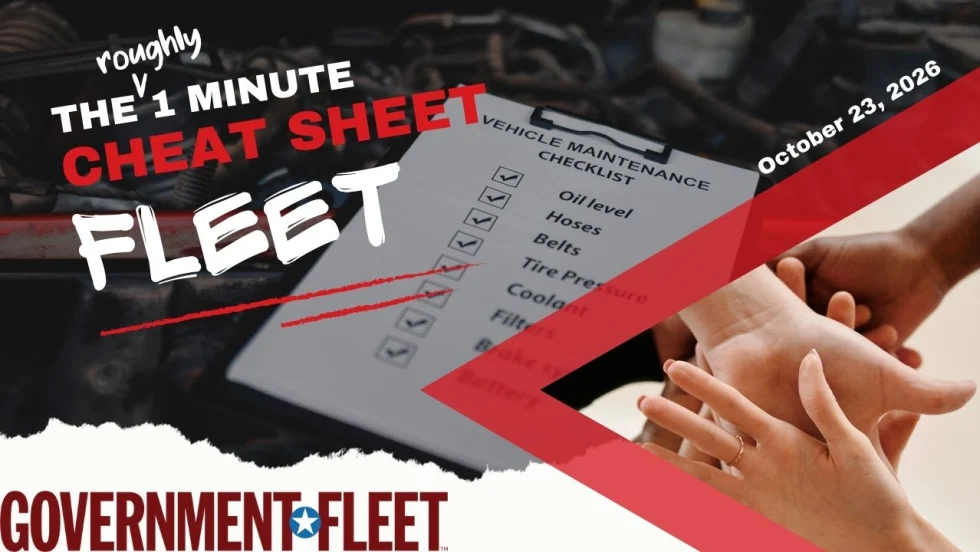
Who Deserves Fleet Recognition and What Could You Teach at GFX?
Who helped shape your fleet career, and what have you learned that could help someone else?
Read More →
What’s Haunting Public Sector Fleets?
Public sector fleet challenges rarely happen in isolation, and addressing one often means understanding how it connects to another.
Read More →
Is Keeping Older Fleet Vehicles Really Saving Money?
Is keeping vehicles longer saving money, and what happens when a diagnostic test points to the wrong fix?
Read More →
How Smart Fleet Strategy Can Help Local Government Agencies Do More with Less
Keeping a vehicle longer may ease this year’s budget, but what does it cost the next one? A closer look at fleet decisions can reveal opportunities to reduce spending while protecting essential services.
Read More →
Connect with Government Fleet on LinkedIn
From industry news and fleet management strategies to conversations with peers, Government Fleet's LinkedIn page offers public-sector fleet professionals another way to stay informed and connected.
Read More →
Town of Queen Creek Named Most Successful Fleet Award Winner of Inaugural RTA Fleet Success Awards
Five fleets were honored at RTA Connect 2026 in Chicago for excellence across resource efficiency, intentional culture, risk management, and stakeholder satisfaction.
Read More →
A buyer's guide to fleet management software in 2027
Buying fleet management software in 2027 means looking beyond features and price. As fleet operations, technology and expectations evolve, this guide explores what today’s fleet professionals should consider when choosing a system that can deliver value now and adapt to what comes next.
Read More →