




N.Y. Establishes State Contract for Vehicle Lifts & Shop Equipment
ALBANY, NY - The New York State Office of General Services has established a state contract for vehicle lifts and related shop equipment, valid through Sept. 30, 2014.
ALBANY, NY - The New York State Office of General Services (OGS) has established a state contract for vehicle lifts and related shop equipment. Based on a competitive bid, the NYS OGS state contract went into effect Dec. 16 and will remain in effect until Sept. 30, 2014. The NYS OGS contract is for use by all government agencies in New York state.
Covering ALI/ETL certified safe vehicle lifts, the NYS OGS contract offers two post lifts from 7,000 to 30,000 lb. capacities; four post lifts from 12,000 to 75,000 lbs.; parallelogram lifts from 12,000 to 75,000 lbs.; in-ground lifts; scissor lifts; and mobile column lifts with capacity ranges from 16,000 up to 30,000 lbs. per column.
The NYS OGS contract also includes wheel balancers, tire changers, alignment equipment, alignment racks and heavy duty products from Hunter Engineering.
Additional information is available at www.govlifts.com/ny.
More Operations

Is Delaying Fleet Replacement Really Saving Money?
Could delaying replacement cost your fleet more than it saves? This week’s recap takes a closer look, plus an update on GFX 2027.
Read More →
What Government Fleets Are Missing About Their True Costs
What are fleet budgets missing, and how can agencies use the data they already collect to make a stronger case for change?
Read More →
Rethinking Fleet Decisions From the Budget Office to the Shop
This October we looked back at how public fleets are reconsidering familiar processes and using what they learn to make better decisions.
Read More →
Who Owns the Message on a Refuse Truck?
Refuse trucks can carry public messages into neighborhoods, but keeping those messages current takes planning and clear responsibility.
Read More →
Who Deserves Fleet Recognition and What Could You Teach at GFX?
Who helped shape your fleet career, and what have you learned that could help someone else?
Read More →
What’s Haunting Public Sector Fleets?
Public sector fleet challenges rarely happen in isolation, and addressing one often means understanding how it connects to another.
Read More →
Is Keeping Older Fleet Vehicles Really Saving Money?
Is keeping vehicles longer saving money, and what happens when a diagnostic test points to the wrong fix?
Read More →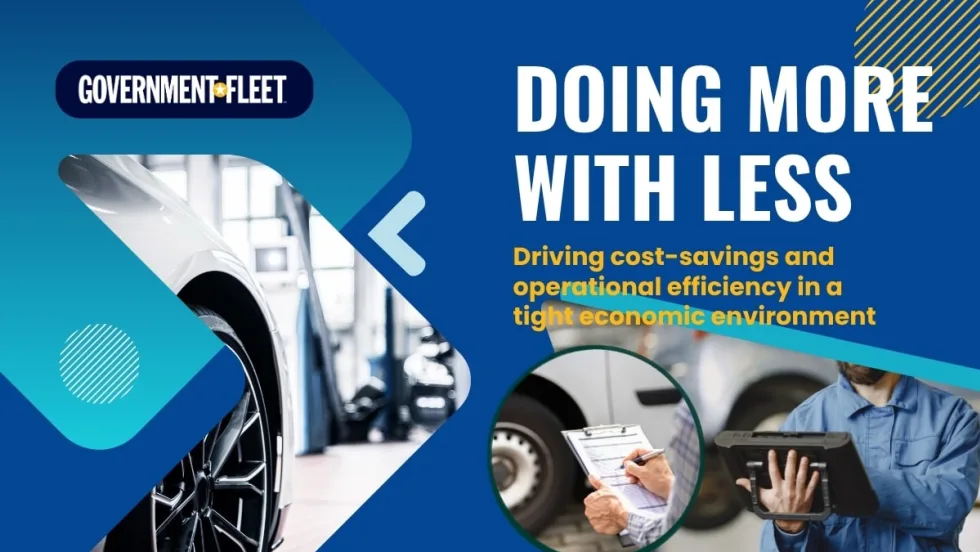
How Smart Fleet Strategy Can Help Local Government Agencies Do More with Less
Keeping a vehicle longer may ease this year’s budget, but what does it cost the next one? A closer look at fleet decisions can reveal opportunities to reduce spending while protecting essential services.
Read More →
Connect with Government Fleet on LinkedIn
From industry news and fleet management strategies to conversations with peers, Government Fleet's LinkedIn page offers public-sector fleet professionals another way to stay informed and connected.
Read More →
Town of Queen Creek Named Most Successful Fleet Award Winner of Inaugural RTA Fleet Success Awards
Five fleets were honored at RTA Connect 2026 in Chicago for excellence across resource efficiency, intentional culture, risk management, and stakeholder satisfaction.
Read More →