




N.Y. County Requires 35 MPG for Fleet Purchases
Elected officials in Westchester County, N.Y., have approved legislation mandating that new vehicle purchases must be high-mileage vehicles, electric vehicles, hybrid vehicles, or alternative-fuel vehicles.
Photo courtesy of Ford
Photo courtesy of Ford
Elected officials in Westchester County, N.Y., have approved legislation mandating that new vehicle purchases must be high-mileage vehicles, electric vehicles, hybrid vehicles, or alternative-fuel vehicles.
Under the terms of the new law, a high-mileage vehicle with an internal combustion engine must deliver a combined city/highway fuel consumption of 35 miles per gallon or more, as rated by the U.S. Environmental Protection Agency. The EPA’s 2015 fuel economy guide released last week shows that few vehicles in the compact, mid-size, and large car categories fit this requirement.
These vehicles must also have specific smog rating requirements. Vehicle tailpipe emissions of pollutants will need to be six or higher on new vehicles purchased after Jan. 1, seven after Jan. 1, 2016, and eight after Jan. 1, 2017. The scale is based on U.S. vehicle emission standards, with one being worst and ten best.
A release from the county's Board of Legislators states that these green vehicles typically use less fuel to run and so will reduce fuel costs while also producing less greenhouse gases.
“This new legislation will help Westchester County to transition its fleet of vehicles away from low-mileage, heavy-emission models and toward those that will reduce fuel costs and lower the environmental impact while in use,” said Catherine Parker, chair of the Environment & Energy Committee.
Legislators proposed the law to resolve a problem where the legislative intent of the Alternative Vehicle law passed by officials several years ago was not being followed, according to the release. Presently, exemptions can be granted from the provisions of the existing law regulating the purchase of high mileage and alternative-fuel vehicles for “good cause.” Jenkins believes this has been interpreted too broadly in some cases, resulting in a “loophole” and nominal compliance of the legislation.
The new legislation defines good cause as use in emergency services, use in essential municipal service, or the unavailability of a high-mileage, electric, hybrid, or alt-fuel vehicle suitable for the intended use.
The Board of Legislators approved the green vehicles bill at its Nov. 10 meeting, and it is being sent to the county executive to be signed into law.
More Green Fleet
Sustainability Partners, Energy Systems Group Help Albuquerque Close the Gap on its 100% Renewable Energy Goal
The eight-site, 6 MW solar project has advanced the city toward 100% renewable energy for municipal operations.
Read More →
Port Authority and CALSTART Launch $45 Million Electric Truck and Charging Programs
The programs aim to boost sustainable operations across the East Coast's busiest seaport.
Read More →
Moving Government Fleets Beyond the Vehicle Purchase: EV as a Service
A discussion on how EVaaS is moving beyond pilot programs and what fleets should consider before beginning a larger deployment.
Read More →
Moving Government Fleets Beyond the Vehicle Purchase: EV as a Service
As fleets move beyond small EV pilots, Sustainability Partners CEO Adam Cain explains how EVaaS can address the infrastructure and long-term planning required for larger deployments.
Read More →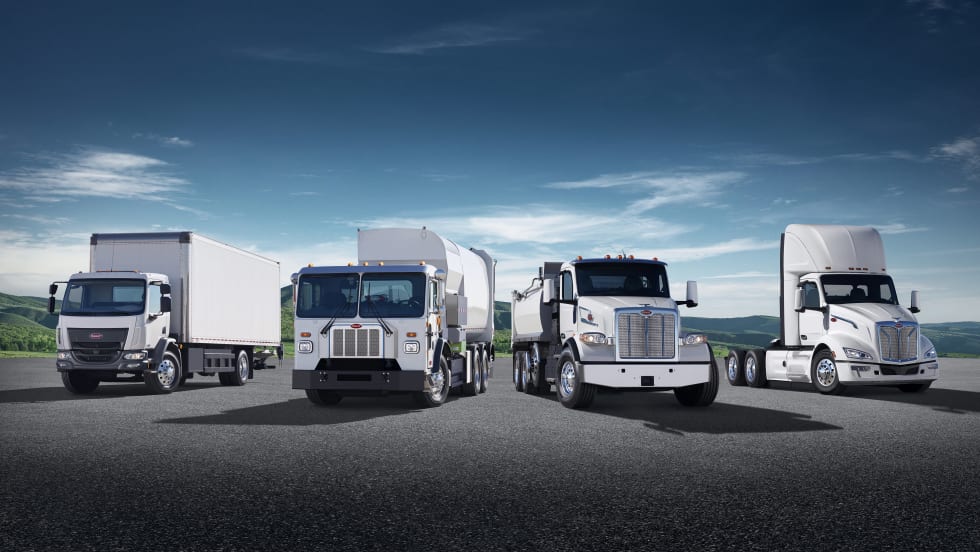
Peterbilt Expands Sourcewell Partnership with Electric Vehicle Lineup
The agreement aims to provide streamlined procurement of Peterbilt trucks for government, education, nonprofit and tribal organizations across the United States and Canada.
Read More →
EV Adoption & Charging Challenges
Where is your fleet in the journey of vehicle electrification? If you're still looking for answers to fleet electrification you've come to the right place.
Read More →
Hawaii Passes Clean Fuel Policy
Hawaii lawmakers passed clean fuel legislation that could support renewable natural gas production, biogas-powered transportation, and lower-carbon fueling options for public and commercial fleets.
Read More →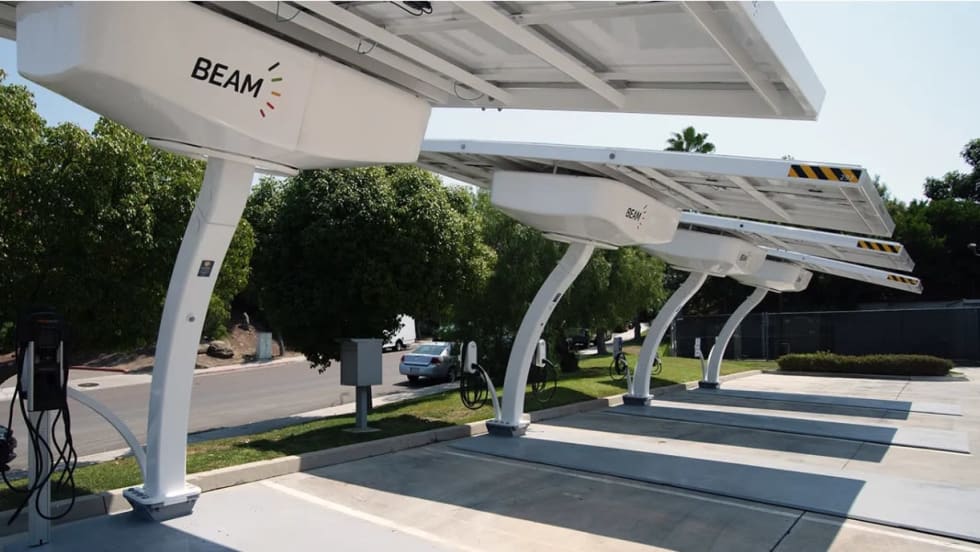
Stanislaus County Deploys Ten Beam Global EV ARC Systems to Support County Fleet Electrification
Stanislaus County deployed 10 off-grid solar-powered EV charging systems and a mobile charging trailer from Beam Global to support its electric fleet operations and emergency response flexibility.
Read More →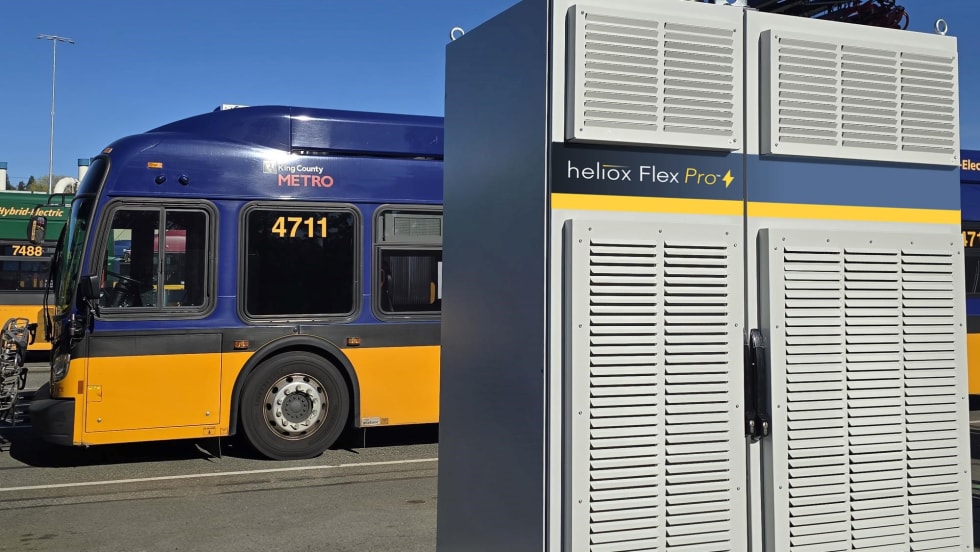
Heliox Pilots 480-kW Bus Charger with King County Metro
King County Metro is piloting Heliox’s new 480-kW Flex Pro charger to support expansion of its battery-electric bus fleet and depot charging infrastructure. The compact charging system supports pantograph and plug-in charging configurations for high-density transit operations.
Read More →