




Related: Propane Autogas Patrol Cars: Analyzing Cost, Benefits
N.C. Sheriff Reduces Fuel Costs with Propane Autogas
Iredell County Sheriff’s Office in North Carolina has converted 60 of its vehicles to bi-fuel propane autogas cars, saving enough in fuel costs to allow the Sheriff’s Office to fund other programs.
by Staff
March 8, 2017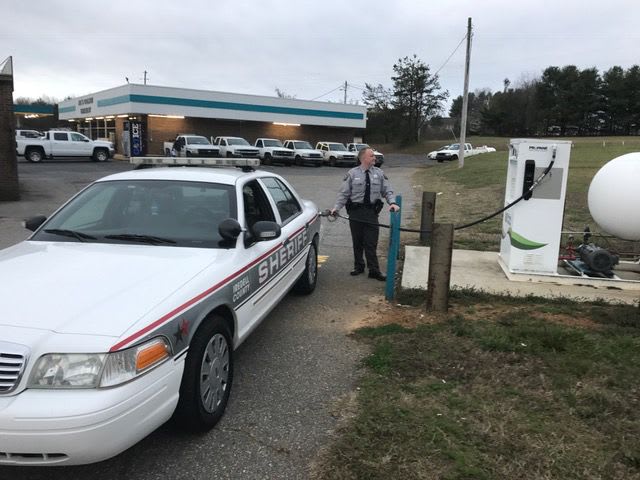
Photo courtesy of PERC
2 min to read
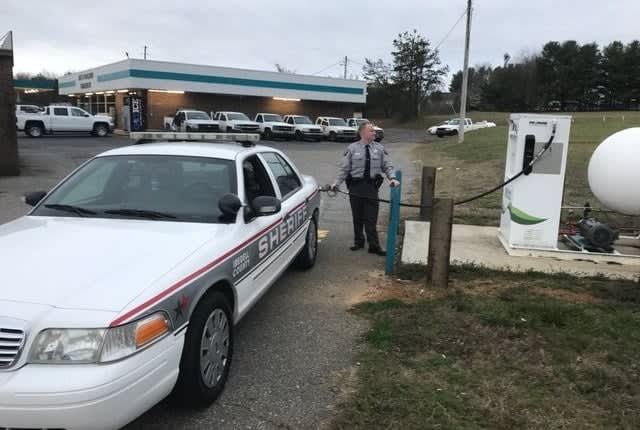
Photo courtesy of PERC
Iredell County Sheriff’s Office (ICSO) in North Carolina has converted 60 of its vehicles to bi-fuel propane autogas cars, saving enough in fuel costs to allow the Sheriff’s Office to fund other programs, according to a case study from the Propane Education & Research Council (PERC).
Emissions reductions initially attracted the ICSO to propane-autogas vehicles, but the county also saw propane autogas as a way to reduce its fuel budget when gasoline prices were soaring to more than $4 per gallon just before 2010. The county also liked that the alternative fuel would provide the fleet with fuel security required during emergency situations.
ICSO was able to offset conversion costs with grants from the North Carolina Clean Energy Technology Center. Even with lowered gas prices, propane autogas still costs 40-50% less than the cost of gasoline through use of a $0.36 federal alternative fuel tax credit for each gallon of propane autogas used.
Reducing fuel costs allowed ICSO to purchase three fully-trained K-9s for nearly $40,000 in 2015.
Fuel security has already been put to the test. In the fall of 2016, a pipeline leak in Alabama disrupted gasoline supplies and drove up costs for existing fuel for two months. ICSO was less affected because the department could rely on propane autogas in its bi-fuel vehicles to continue regular operation.
Servicing propane autogas vehicles is very similar to servicing gasoline vehicles, and the county's OEM and propane retailers helped train fleet technicians on safe practices. The county moved conversions in-house for even more cost savings.
The Sheriff’s Office dealt with initial skepticism of the new fuel from officers through training, and eventually they were eased knowing that there isn’t much of a difference when it comes to performance, maintenance, and refueling, according to the case study.
The county expects to add more propane autogas vehicles to its ICSO fleet.
More Green Fleet
Sustainability Partners, Energy Systems Group Help Albuquerque Close the Gap on its 100% Renewable Energy Goal
The eight-site, 6 MW solar project has advanced the city toward 100% renewable energy for municipal operations.
Read More →
Port Authority and CALSTART Launch $45 Million Electric Truck and Charging Programs
The programs aim to boost sustainable operations across the East Coast's busiest seaport.
Read More →
Moving Government Fleets Beyond the Vehicle Purchase: EV as a Service
A discussion on how EVaaS is moving beyond pilot programs and what fleets should consider before beginning a larger deployment.
Read More →
Moving Government Fleets Beyond the Vehicle Purchase: EV as a Service
As fleets move beyond small EV pilots, Sustainability Partners CEO Adam Cain explains how EVaaS can address the infrastructure and long-term planning required for larger deployments.
Read More →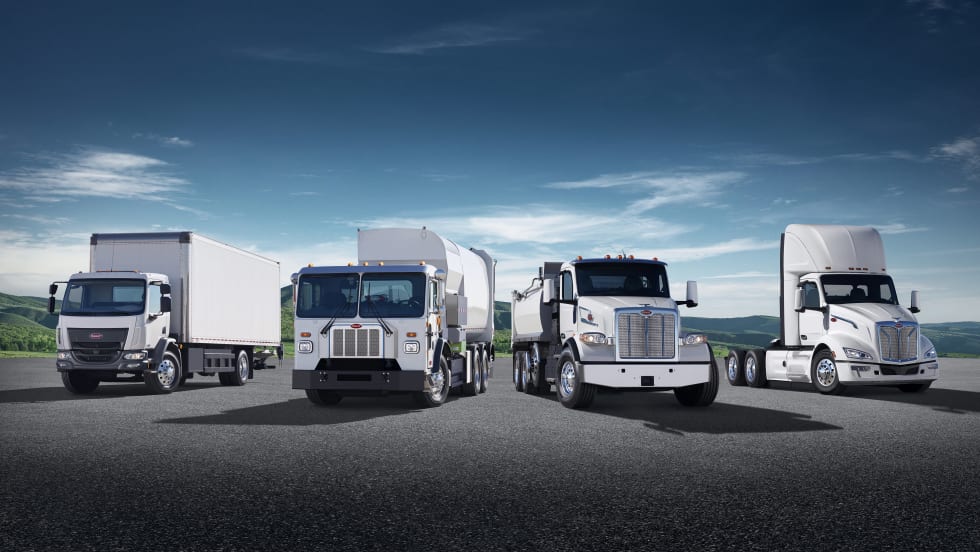
Peterbilt Expands Sourcewell Partnership with Electric Vehicle Lineup
The agreement aims to provide streamlined procurement of Peterbilt trucks for government, education, nonprofit and tribal organizations across the United States and Canada.
Read More →
EV Adoption & Charging Challenges
Where is your fleet in the journey of vehicle electrification? If you're still looking for answers to fleet electrification you've come to the right place.
Read More →
Hawaii Passes Clean Fuel Policy
Hawaii lawmakers passed clean fuel legislation that could support renewable natural gas production, biogas-powered transportation, and lower-carbon fueling options for public and commercial fleets.
Read More →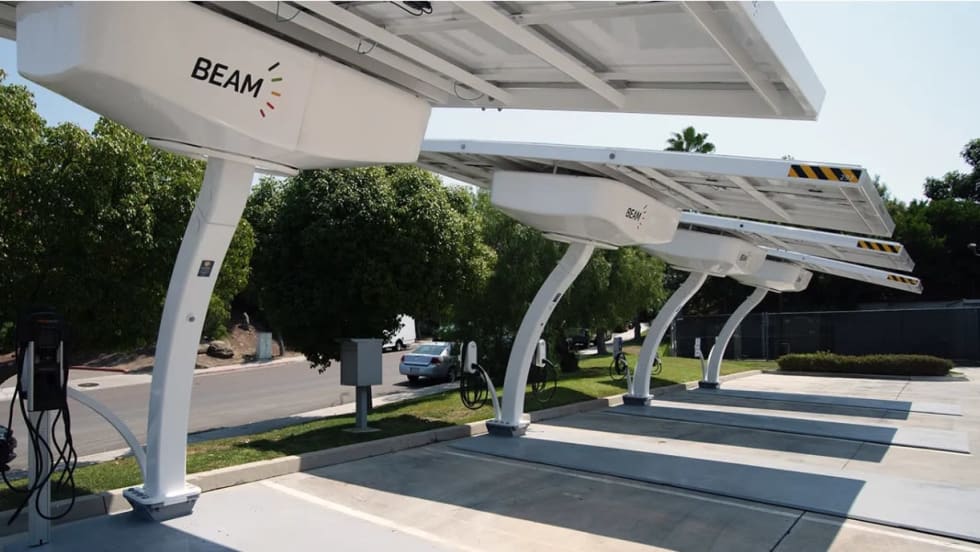
Stanislaus County Deploys Ten Beam Global EV ARC Systems to Support County Fleet Electrification
Stanislaus County deployed 10 off-grid solar-powered EV charging systems and a mobile charging trailer from Beam Global to support its electric fleet operations and emergency response flexibility.
Read More →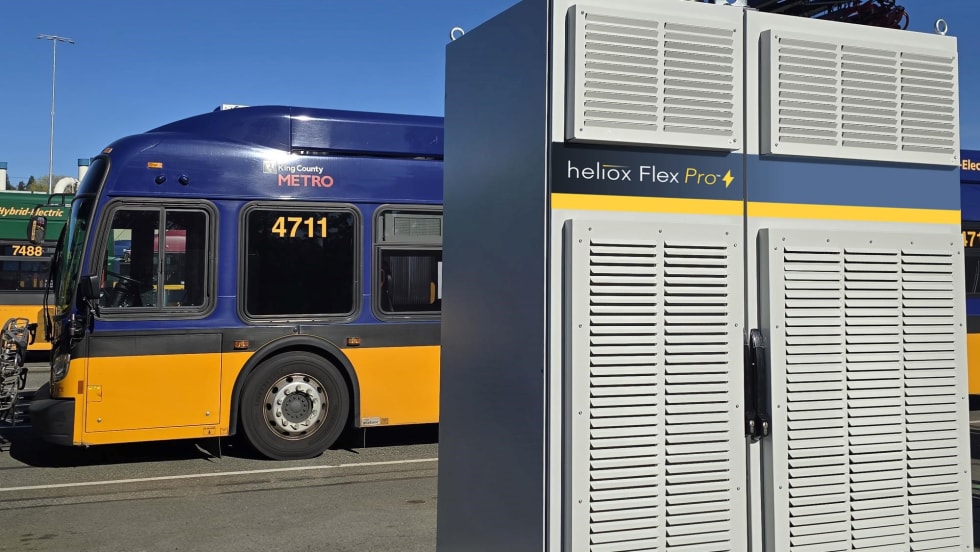
Heliox Pilots 480-kW Bus Charger with King County Metro
King County Metro is piloting Heliox’s new 480-kW Flex Pro charger to support expansion of its battery-electric bus fleet and depot charging infrastructure. The compact charging system supports pantograph and plug-in charging configurations for high-density transit operations.
Read More →