




MSRC Launches Redesigned Website for Clean Transportation Funding
DIAMOND BAR, CA - The Mobile Source Air Pollution Reduction Review Committee (MSRC) provides clean transportation funding to projects that help reduce pollution from mobile sources in the Southern California area.
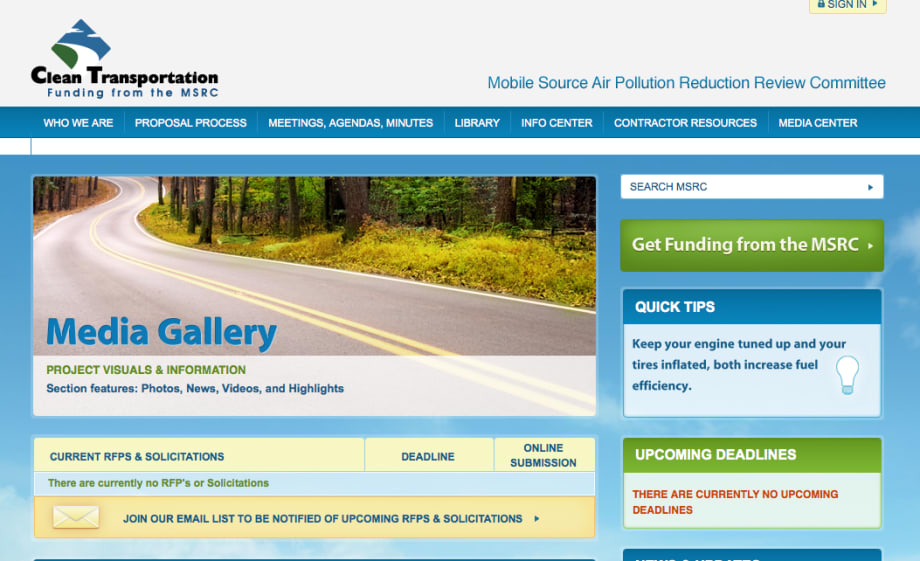
Screencapture of www.CleanTransportationFunding.org
Screencapture of
DIAMOND BAR, CA - Now in its 22nd year, the Mobile Source Air Pollution Reduction Review Committee (MSRC) has moved into the twenty-first century with the launch of its new, state-of-the art website. The MSRC provides clean transportation funding to cutting-edge projects that help reduce pollution from mobile sources in the Southern California area.
The MSRC's website, www.CleanTransportationFunding.org, offers visitors easy access to current funding opportunities - including downloadable RFPs - for clean air projects. The website also highlights innovative MSRC-funded projects that are cost-effective, replicable, and successful in reducing mobile source emissions. The website has special sections for project partners and contactors applying for MSRC funds to assist them with completing their projects, and even allows proposals for select project solicitations to be submitted electronically, saving time, money, and emissions.
The website now includes a media center, which is home to news releases, publications, including the quarterly electronic newsletter Clean Air Roadmap and a report detailing current policies and regulations called the Clean Transportation Policy Update, fact sheets, and the MSRC's brochure. Agendas, minutes, and meeting dates of the MSRC and Technical Advisory Committee are accessible through the website so users can stay current with all the MSRC's activities. Additionally, multi-media formats of the MSRC's work, including high-resolution photographs, are available in the library section of the site. The website also has an information center that provides resources on ways people can drive smarter by participating in programs that reduce air pollution, such as driving more fuel-efficient vehicles, ridesharing, and taking advantage of incentives for cleaner vehicles.
"We are so proud to launch our new website, which provides visitors with information about the MSRC in a visually appealing and easy-to-use format," said Greg Winterbottom, chair of the MSRC. "We hope that new users will come check out what the MSRC has to offer and that current users will find the website a useful tool in their endeavors to help improve air quality."
The MSRC allocates Clean Transportation Funding from a $4 surcharge on vehicle license fees, specifically to be used for local projects designed to reduce air pollution from mobile sources such as cars, trucks, and buses. Thirty cents of every surcharge dollar goes into the MSRC fund. More than $290 million has been distributed for air pollution-reduction programs since the MSRC was established in 1990. Clean transportation funding is heavily leveraged with investments from government agencies, as well as private sources, with billions of additional dollars contributed to projects throughout the region.
More Green Fleet
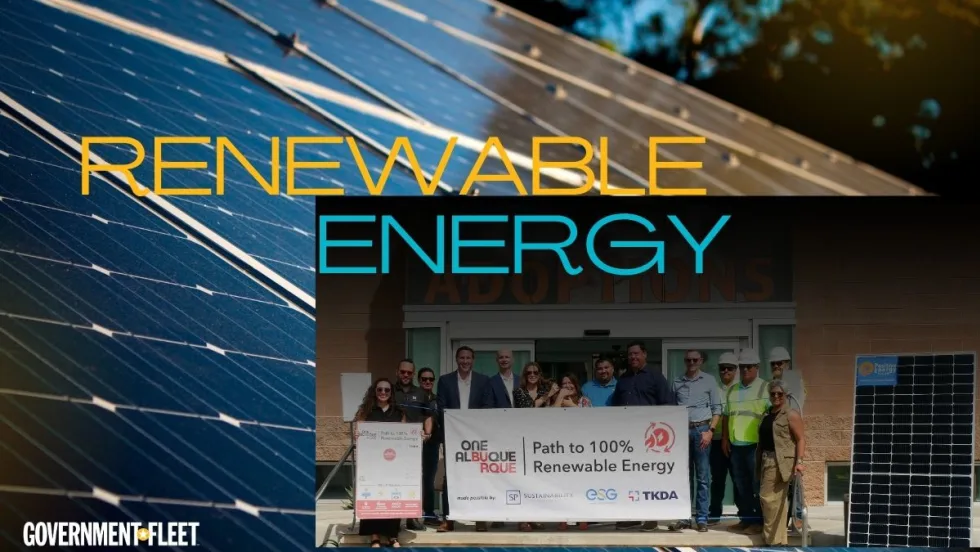
Sustainability Partners, Energy Systems Group Help Albuquerque Close the Gap on its 100% Renewable Energy Goal
The eight-site, 6 MW solar project has advanced the city toward 100% renewable energy for municipal operations.
Read More →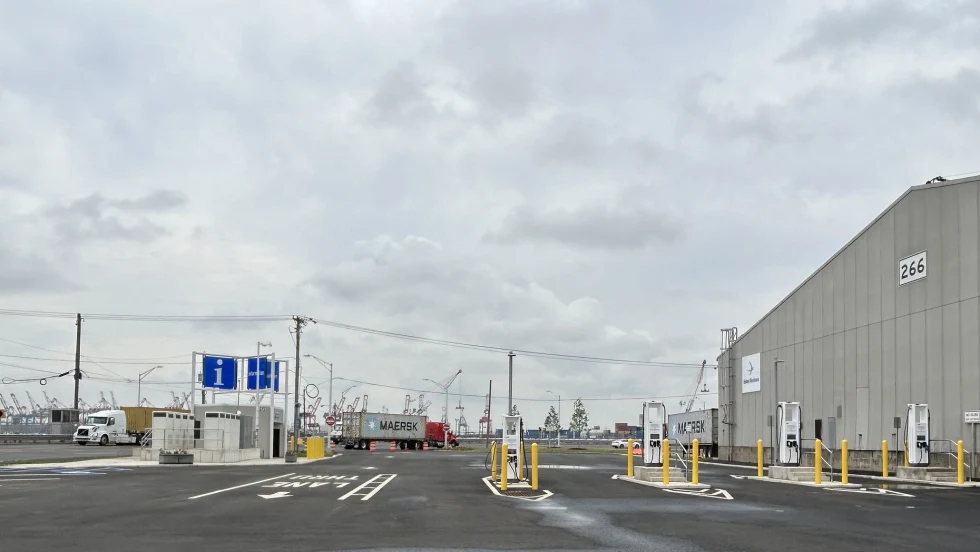
Port Authority and CALSTART Launch $45 Million Electric Truck and Charging Programs
The programs aim to boost sustainable operations across the East Coast's busiest seaport.
Read More →
Moving Government Fleets Beyond the Vehicle Purchase: EV as a Service
A discussion on how EVaaS is moving beyond pilot programs and what fleets should consider before beginning a larger deployment.
Read More →
Moving Government Fleets Beyond the Vehicle Purchase: EV as a Service
As fleets move beyond small EV pilots, Sustainability Partners CEO Adam Cain explains how EVaaS can address the infrastructure and long-term planning required for larger deployments.
Read More →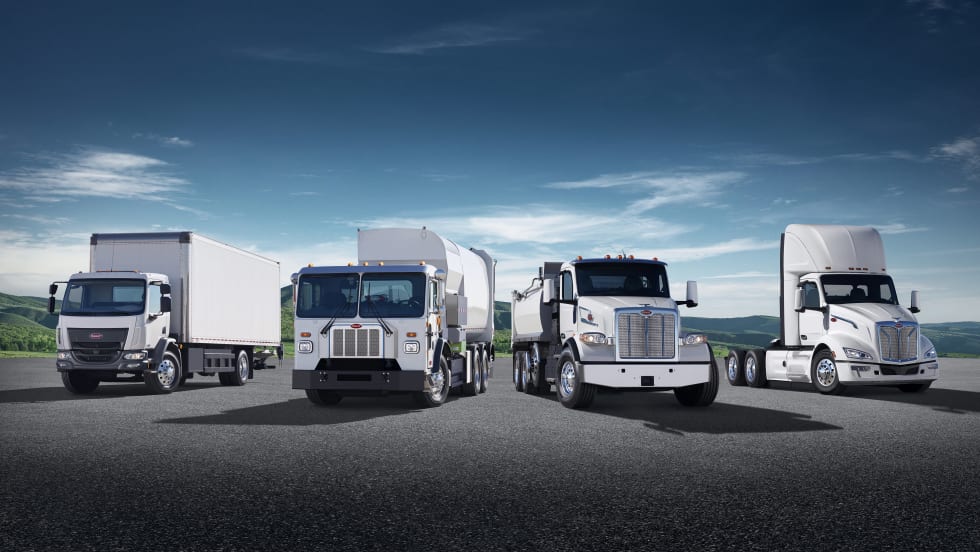
Peterbilt Expands Sourcewell Partnership with Electric Vehicle Lineup
The agreement aims to provide streamlined procurement of Peterbilt trucks for government, education, nonprofit and tribal organizations across the United States and Canada.
Read More →
EV Adoption & Charging Challenges
Where is your fleet in the journey of vehicle electrification? If you're still looking for answers to fleet electrification you've come to the right place.
Read More →
Hawaii Passes Clean Fuel Policy
Hawaii lawmakers passed clean fuel legislation that could support renewable natural gas production, biogas-powered transportation, and lower-carbon fueling options for public and commercial fleets.
Read More →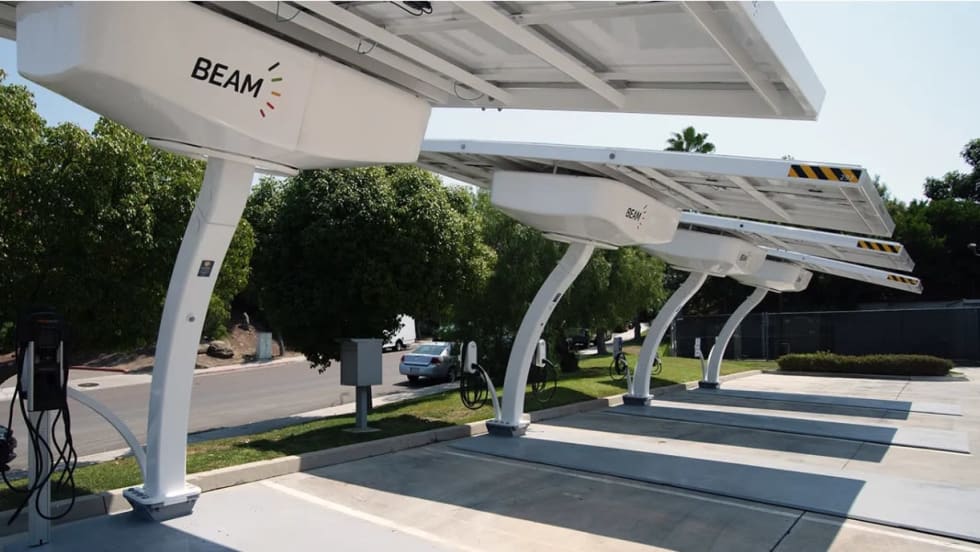
Stanislaus County Deploys Ten Beam Global EV ARC Systems to Support County Fleet Electrification
Stanislaus County deployed 10 off-grid solar-powered EV charging systems and a mobile charging trailer from Beam Global to support its electric fleet operations and emergency response flexibility.
Read More →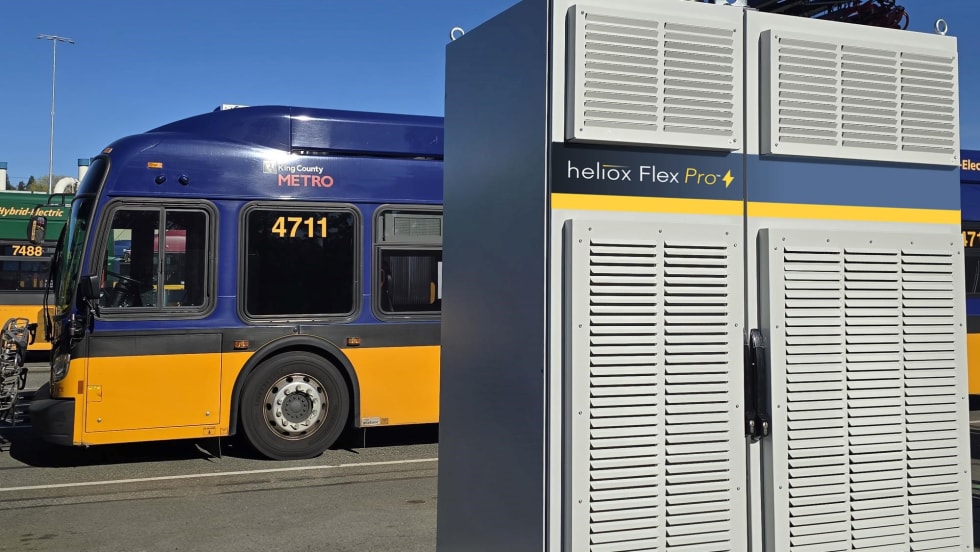
Heliox Pilots 480-kW Bus Charger with King County Metro
King County Metro is piloting Heliox’s new 480-kW Flex Pro charger to support expansion of its battery-electric bus fleet and depot charging infrastructure. The compact charging system supports pantograph and plug-in charging configurations for high-density transit operations.
Read More →