





The Electrification Push: Implementing Green Policies & Switching to EVs
Michigan City Electrifies 25% of its Light Fleet
The city of Ann Arbor has now electrified 25% of its light duty fleet. In total, the city has 53 active electric vehicles serving in its municipal light fleet as of the end of 2023.
February 27, 2024
The city of Ann Arbor expects nearly 35% of the light fleet to be electrified by the end of fiscal year 2024.
Photo: Ann Arbor | Government Fleet
2 min to read
The city of Ann Arbor has now electrified 25% of its light duty fleet. In total, the city has 53 active electric vehicles serving in its municipal light fleet as of the end of 2023 — and more are on order. This is part of Ann Arbor's goal of transitioning the city's vehicles and appliances to electric and help advance the city's Green Fleets Policy.
Light-duty electric vehicles in the fleet include hatchbacks, pickup trucks, minivans, vans and SUVs. With light-duty vehicle deliveries starting to normalize, the city expects nearly 35% of the light fleet to be electrified by the end of fiscal year 2024.
Striving Toward Achieving A2ZERO Goals
The city of Ann Arbor and its collaborators have been working to reduce greenhouse gas (GHG) emissions from transportation in the community. According to the city, transportation-related emissions account for approximately 30% of GHG emissions in the US, and around 26% of emissions here in Ann Arbor.
The A2ZERO Plan has multiple strategies and actions which work to reduce transportation-related emissions:
Strategies 2 and 4 focus on the electrification of appliances and vehicles, and reduction in vehicle miles traveled (VMT) by at least 50%, respectively. These actions have the potential to significantly reduce a notable source of local greenhouse gas emissions.
Electrifying the City's Heavy Fleet
In addition to the city's light fleet, the heavy fleet is also moving toward electrification. The city currently has electric utility vehicles, forklifts and one fully electric bucket truck in service, and is waiting on multiple electric refuse trucks to be delivered. The city is also electrifying its outdoor equipment, including leaf blowers, lawn mowers, and more.
More Operations
What Can Disappear After a Fleet Crash?
This week, we look at drone footage, what fleets should document before repairs begin, and share a quick poll.
Does Your Government Fleet Handle Refuse and Waste Operations? Take Our Poll
Government Fleet wants to hear from public-sector fleet professionals about their responsibilities for refuse collection and waste management equipment.
Fleet Replacement Decisions, Waste Fleet Technology and the GFX Deadline
Is your next vehicle the right fit, can your records settle a missed pickup dispute, and what could your fleet teach others at GFX 2027?
Is Delaying Fleet Replacement Really Saving Money?
Could delaying replacement cost your fleet more than it saves? This week’s recap takes a closer look, plus an update on GFX 2027.

What Government Fleets Are Missing About Their True Costs
What are fleet budgets missing, and how can agencies use the data they already collect to make a stronger case for change?
Rethinking Fleet Decisions From the Budget Office to the Shop
This October we looked back at how public fleets are reconsidering familiar processes and using what they learn to make better decisions.
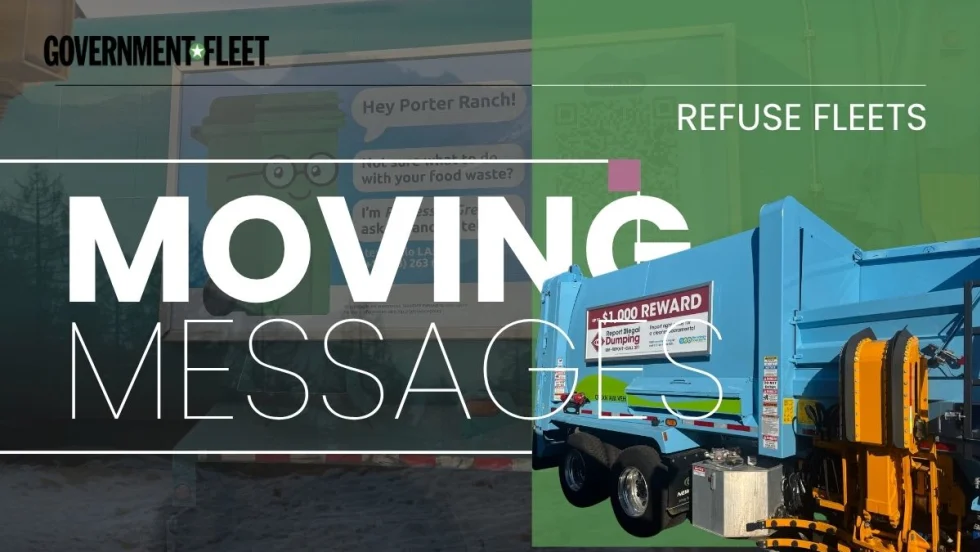
Who Owns the Message on a Refuse Truck?
Refuse trucks can carry public messages into neighborhoods, but keeping those messages current takes planning and clear responsibility.

Who Deserves Fleet Recognition and What Could You Teach at GFX?
Who helped shape your fleet career, and what have you learned that could help someone else?

What’s Haunting Public Sector Fleets?
Public sector fleet challenges rarely happen in isolation, and addressing one often means understanding how it connects to another.
Is Keeping Older Fleet Vehicles Really Saving Money?
Is keeping vehicles longer saving money, and what happens when a diagnostic test points to the wrong fix?