




Meriden Police Department Expects to Cut Fuel Use 60% with New Idling System
MERIDEN, CT – The Meriden Police Department recently installed the IdleRight fuel saver system, a new fuel reduction system to help make its fleet greener, according to the Record-Journal.
MERIDEN, CT – The Meriden Police Department recently installed the IdleRight fuel saver system, a new fuel reduction system to help make its fleet greener, according to the Record-Journal. The police department is the first in the state to purchase the system, according to Chief Jeffry Cossette.
Police installed the system, designed to save on gas consumption when a car is idling, in a test cruiser April 28. The department will monitor its effectiveness and determine whether to put the system in the city's entire fleet.
"With our (Crown Victoria) cruisers, we use a lot of gas. Even when idle, the cruisers can use the same amount in an hour as when we drive 30 miles," Cossette said. "This technology monitors the alternator and allows us to save gas on idle time, maintenance costs, and more. There is a domino effect."
IdleRight was introduced by the Havis-Shields Equipment Corp. earlier this year as a way for police cruisers, construction vehicles, and other cars to save gas without killing their batteries. Company representatives said the system works by monitoring the battery's levels and turning the engine on only when the battery needs a recharge.
In a test earlier this year, Warminster, Penn.-based Havis-Shields monitored the gas consumption of a Glastonbury cruiser left running for four hours, then repeated the test with IdleRight installed in the cruiser. Results showed the cruiser's engine idled for only 40 minutes with the fuel management system and used 84 percent less gas.
Cossette said that after speaking with the company he is confident that the system could have the same effect in Meriden.
City Councilor John Thorp, a former police officer who now oversees fleet management as a part-time consultant for the department, said he discovered the product while doing research online and discussed it with the department's maintenance shop. Thorp expects the system to help cut gas consumption by as much as 60 percent.
Cossette said eliminating idle time would also allow for reductions in maintenance costs and prevent unnecessary wear and tear, extending the car's life.
The city purchased the first system out of the capital budget, but will monitor its effectiveness and seek grants to have the product installed in all 45 cruisers in the police fleet.
Juliet Burdelski, community development administrator and grant writer for the city, said money may be available through the city's energy efficiency block grant. As part of the federal economic stimulus package, she said, the city received $550,000 toward energy efficiency upgrades.
The city will first need to determine the cost to replace a boiler at City Hall, Burdelski said, but the department could very likely receive funding from the grant to upgrade the police fleet. The total cost to install the system in every fleet vehicle would be approximately $22,000.
The decision would be up to an appointed city energy task force but, even if not approved through the block grant, Burdelski said, the city may look for another way to pay for the systems.
More Green Fleet

Sustainability Partners, Energy Systems Group Help Albuquerque Close the Gap on its 100% Renewable Energy Goal
The eight-site, 6 MW solar project has advanced the city toward 100% renewable energy for municipal operations.
Read More →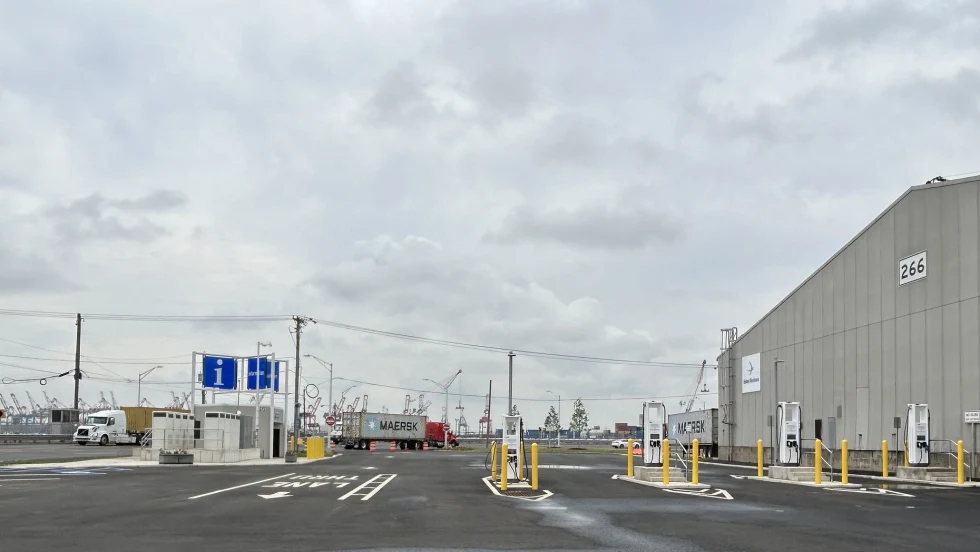
Port Authority and CALSTART Launch $45 Million Electric Truck and Charging Programs
The programs aim to boost sustainable operations across the East Coast's busiest seaport.
Read More →
Moving Government Fleets Beyond the Vehicle Purchase: EV as a Service
A discussion on how EVaaS is moving beyond pilot programs and what fleets should consider before beginning a larger deployment.
Read More →
Moving Government Fleets Beyond the Vehicle Purchase: EV as a Service
As fleets move beyond small EV pilots, Sustainability Partners CEO Adam Cain explains how EVaaS can address the infrastructure and long-term planning required for larger deployments.
Read More →
Peterbilt Expands Sourcewell Partnership with Electric Vehicle Lineup
The agreement aims to provide streamlined procurement of Peterbilt trucks for government, education, nonprofit and tribal organizations across the United States and Canada.
Read More →
EV Adoption & Charging Challenges
Where is your fleet in the journey of vehicle electrification? If you're still looking for answers to fleet electrification you've come to the right place.
Read More →
Hawaii Passes Clean Fuel Policy
Hawaii lawmakers passed clean fuel legislation that could support renewable natural gas production, biogas-powered transportation, and lower-carbon fueling options for public and commercial fleets.
Read More →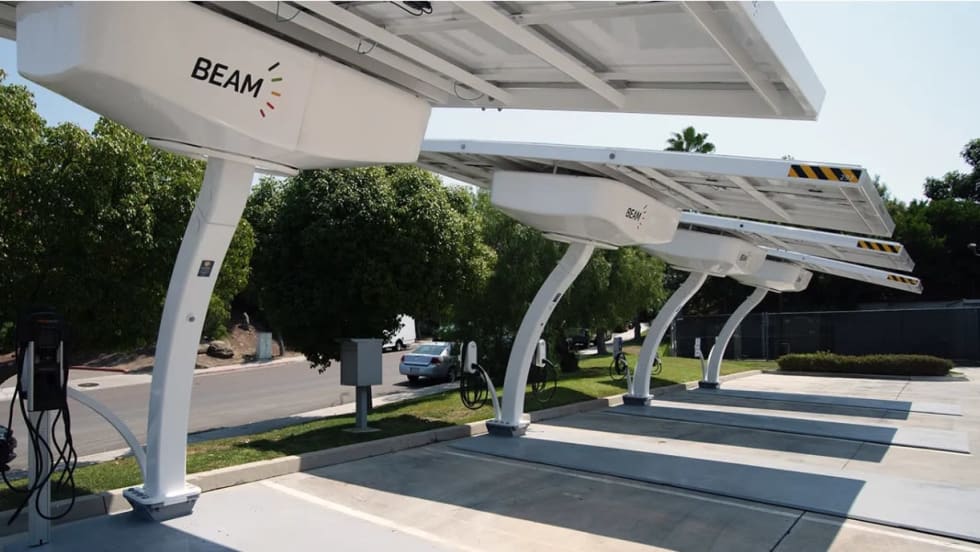
Stanislaus County Deploys Ten Beam Global EV ARC Systems to Support County Fleet Electrification
Stanislaus County deployed 10 off-grid solar-powered EV charging systems and a mobile charging trailer from Beam Global to support its electric fleet operations and emergency response flexibility.
Read More →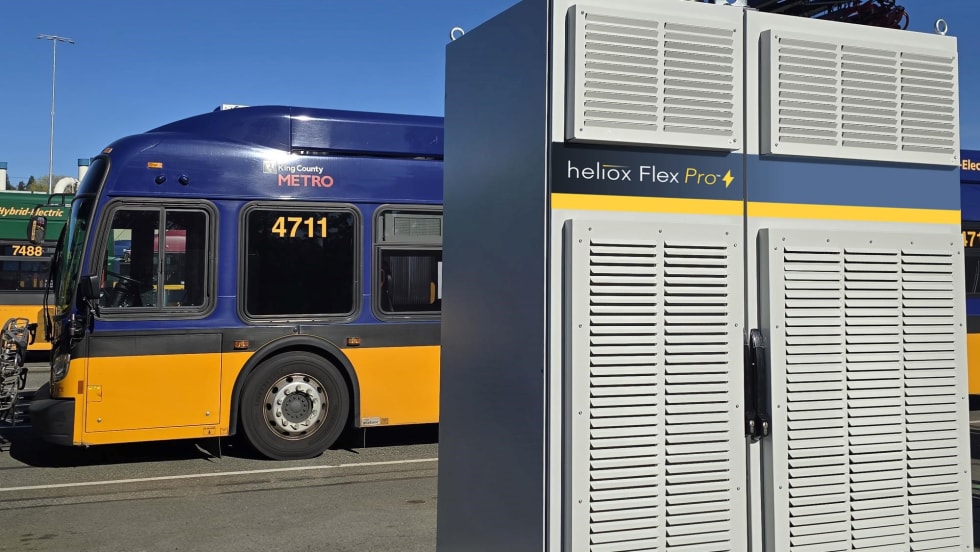
Heliox Pilots 480-kW Bus Charger with King County Metro
King County Metro is piloting Heliox’s new 480-kW Flex Pro charger to support expansion of its battery-electric bus fleet and depot charging infrastructure. The compact charging system supports pantograph and plug-in charging configurations for high-density transit operations.
Read More →