




LDV Partners With Rajant Corporation to Deliver Integrated Wireless Meshed Networks in Special Service Vehicles
BURLINGTON, WI – LDV, Inc. and Rajant Corporation have implemented a joint effort to combine portable wireless network capabilities with mobile command and other specialty vehicles to ensure the continuity of communications in and around mobile hubs.
BURLINGTON, WI – LDV, Inc. and Rajant Corporation have implemented a joint effort to combine portable wireless network capabilities with mobile command and other specialty vehicles to ensure the continuity of communications in and around mobile hubs. LDV will now offer Rajant’s BreadCrumb technology both in new vehicles as well as in the form of technology upgrades for existing customers.
Rajant’s BreadCrumbs provide first responders and military personnel with voice and data communications across an ad-hoc self-healing network using link layer routing that can communicate with IP based client devices, such as laptops, PDAs, video cameras, satellite terminals, networked radios, and sensor devices. Through use of easily deployable repeaters, or BreadCrumbs, rapid setup and reliable connectivity of the network can be achieved.
Breadcrumbs are small, portable, mobile, self-configuring, battery powered, self-meshing, self-healing wireless meshing bridges and access points, based on 802.11b wireless LAN technology, which allow stand-alone networks to quickly organize in places where there is no standing infrastructure and require no network administration (“one button on”).
The BreadCrumb network will mesh with and extend the existing LDV vehicle network out, with virtually no limit to distance depending on the number of BreadCrumb units used. Personnel will be able to utilize palm pilots, cameras, laptops, and VoIP phones all connected back to the LDV vehicle.
LDV will be featuring Rajant BreadCrumb technology through sales agents, parts catalogues, and technology upgrade packages.
More Operations
What Can Disappear After a Fleet Crash?
This week, we look at drone footage, what fleets should document before repairs begin, and share a quick poll.
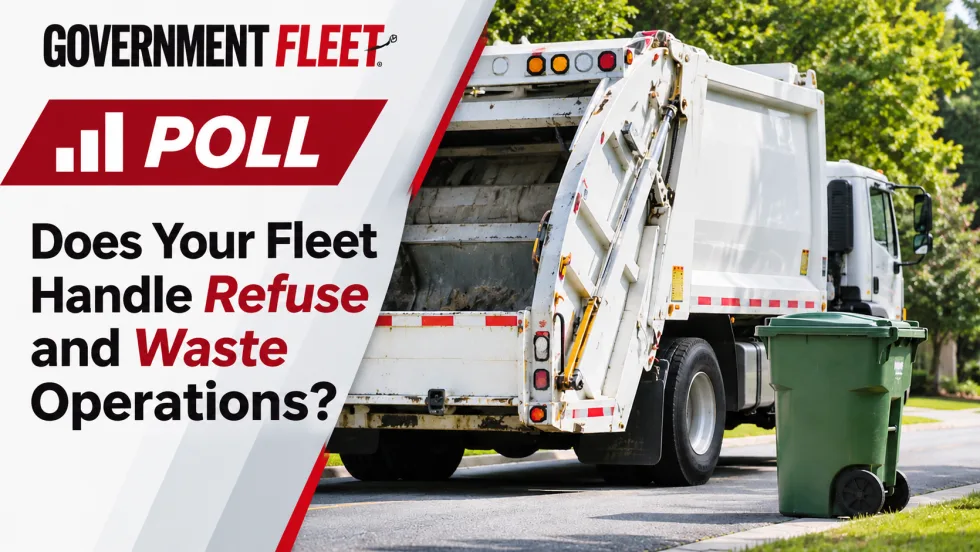
Does Your Government Fleet Handle Refuse and Waste Operations? Take Our Poll
Government Fleet wants to hear from public-sector fleet professionals about their responsibilities for refuse collection and waste management equipment.
Fleet Replacement Decisions, Waste Fleet Technology and the GFX Deadline
Is your next vehicle the right fit, can your records settle a missed pickup dispute, and what could your fleet teach others at GFX 2027?
Is Delaying Fleet Replacement Really Saving Money?
Could delaying replacement cost your fleet more than it saves? This week’s recap takes a closer look, plus an update on GFX 2027.

What Government Fleets Are Missing About Their True Costs
What are fleet budgets missing, and how can agencies use the data they already collect to make a stronger case for change?
Rethinking Fleet Decisions From the Budget Office to the Shop
This October we looked back at how public fleets are reconsidering familiar processes and using what they learn to make better decisions.
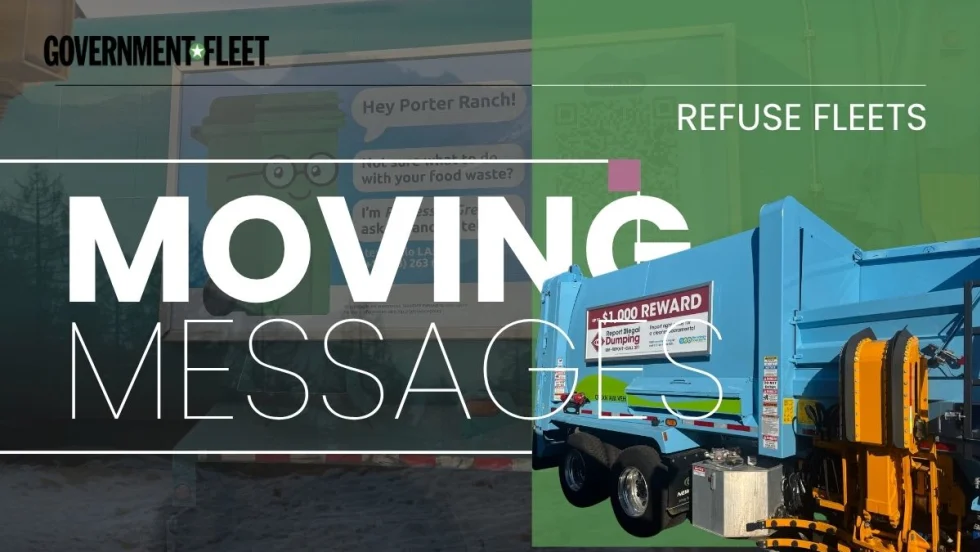
Who Owns the Message on a Refuse Truck?
Refuse trucks can carry public messages into neighborhoods, but keeping those messages current takes planning and clear responsibility.
Who Deserves Fleet Recognition and What Could You Teach at GFX?
Who helped shape your fleet career, and what have you learned that could help someone else?

What’s Haunting Public Sector Fleets?
Public sector fleet challenges rarely happen in isolation, and addressing one often means understanding how it connects to another.
Is Keeping Older Fleet Vehicles Really Saving Money?
Is keeping vehicles longer saving money, and what happens when a diagnostic test points to the wrong fix?