




Emissions Plummet with L.A. Sheriff's New Prisoner Buses
The Los Angeles County Sheriff's Department is using a regional air-quality grant to accelerate the replacement of the nation's largest fleet of prisoner transport buses.
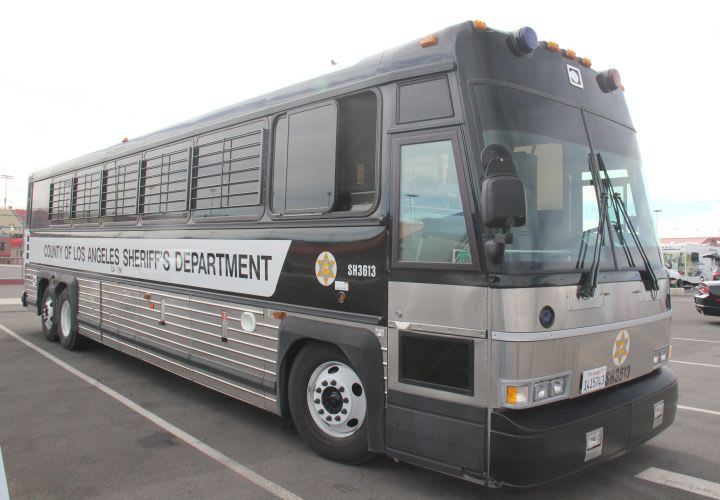
Photo of new L.A. County Sheriff's MCI prisoner bus.
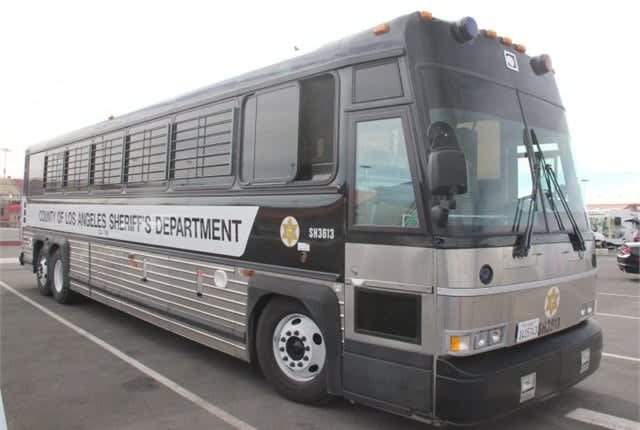
Photo of new L.A. County Sheriff's MCI prisoner bus.
The Los Angeles County Sheriff's Department is using a regional air-quality grant to accelerate the replacement of the nation's largest fleet of prisoner transport buses.
Last week, Los Angeles County issued purchase orders for eight Motor Coach Industry (MCI) buses, as the second phase of a plan to replace 37 of the 82 buses in the sheriff's fleet. MCI will deliver the purpose-build buses in June.
The sheriff added the first 16 buses to its fleet in July. The remaining 13 buses have been budgeted for the coming fiscal year.
Purchase orders for the second phase of eight buses were mailed out today, said Rick Teebay, fleet and transportation specialist with L.A. County's Internal Services Department.
The replacement buses were eligible for grants totaling almost $7 million of the $20 million needed to replace the 37 buses. The county acquired the grants from the South Coast Air Quality Management District under the Carl Moyer program. The new buses will significantly reduce emissions, Teebay said.
"If all 37 new buses were operating at the same time, all 37 new buses would emit less than half the nitrous oxides (NOx) and particulate matter (PM or soot) emissions from just one of the older buses," Teebay said.
The new buses are powered by clean-diesel engines with particulate filters and urea-based Diesel Exhaust Fluid (DEF). A separate DEF tank injects the fluid into the exhaust pipeline. Typically, the South Coast AQMD doesn't fund clean-diesel upgrades unless the vehicles are defined as emergency vehicles under the state's Vehicle Code 165.
The sheriff considered CNG and hybrid versions, before selecting the MCI buses, Teebay said.
Each new bus costs about $560,000. Of that, Moyer grants covered about $188,000 for each bus. Additional Moyer funding will be available beginning in March in Southern California. For more details, visit the Moyer page of the district's website.
More Police
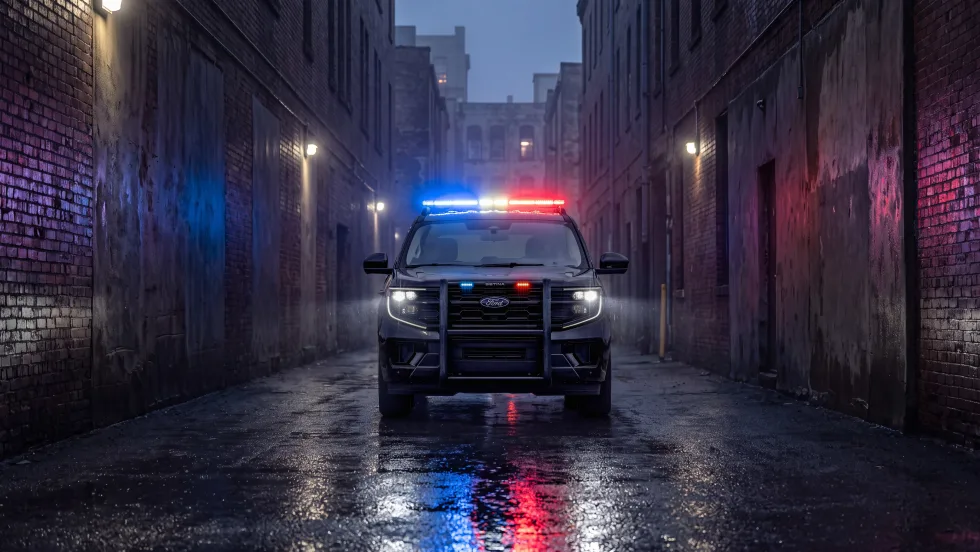
Ford Pro Introduces Full-Size 2028 Expedition Police Responder
Ford Pro gave law enforcement customers a first look at the pursuit-rated utility during Police Fleet Expo.
Read More →
Paterson Police Expand Drone Fleet, Launch Real-Time Operations Center
The Paterson Police Department has expanded its drone program and opened a new Real-Time Operations Center designed to support emergency response and incident management. The initiative integrates multiple technologies to provide officers with real-time information during investigations and public safety operations.
Read More →
Why Public Fleet Success Depends on More Than the Vehicles
Tim Coxwell of the Leon County Sheriff’s Office discusses the projects shaping his fleet operation, including long-term work around vehicle selection, greenhouse gas emissions, and cost per mile.
Read More →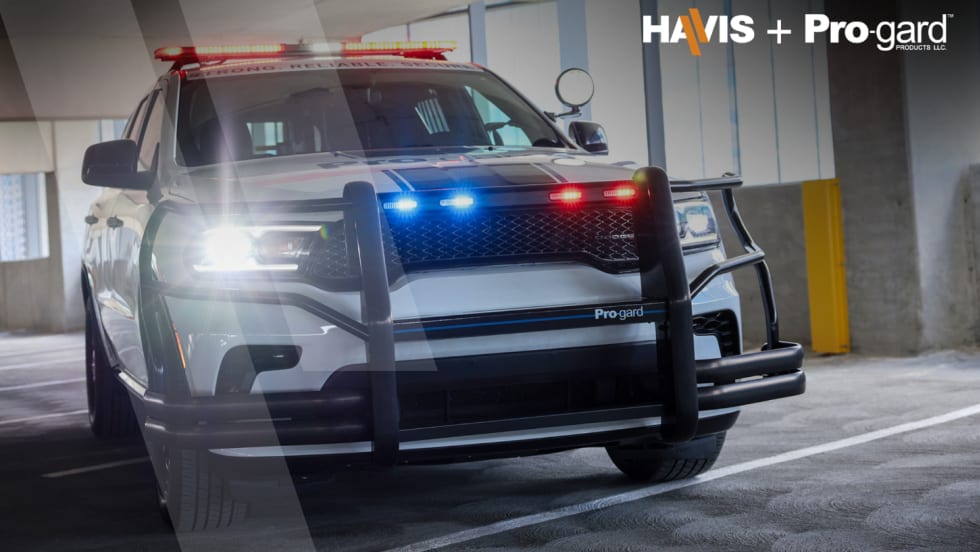
Havis Acquires Pro-gard Products
The acquisition brings together two manufacturers of public safety vehicle equipment under one company. Havis says the move expands its portfolio of products for outfitting law enforcement vehicles and other public safety fleets.
Read More →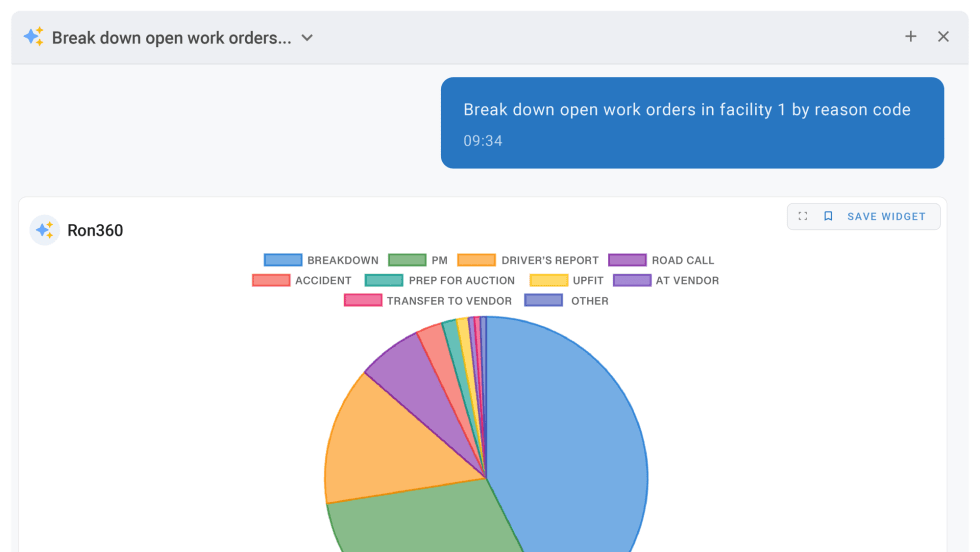
RTA Fleet Introduces AI Assistant for Fleet360 Platform
As artificial intelligence continues to gain traction across public-sector operations, fleet software providers are finding new ways to incorporate the technology into everyday workflows. RTA's latest addition aims to simplify how users interact with fleet data.
Read More →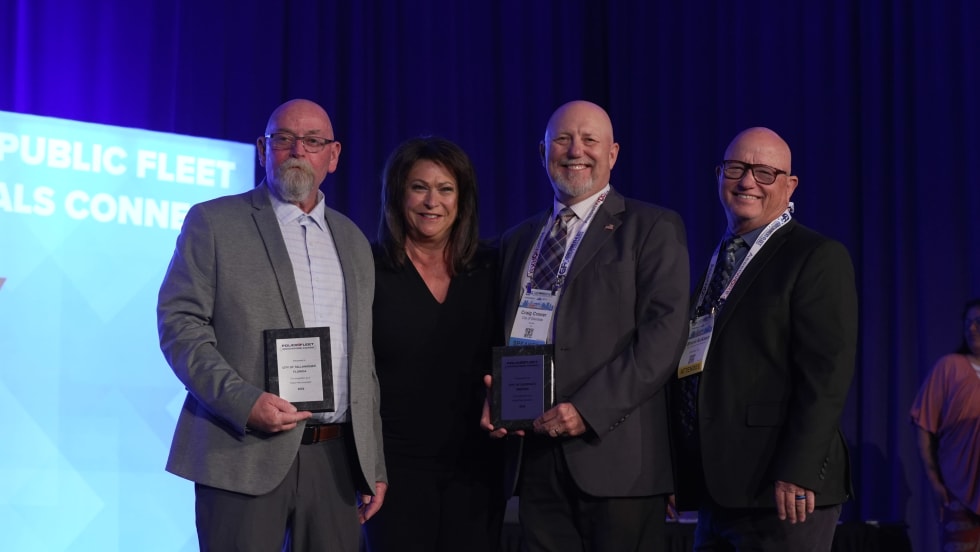
2026 Police Fleet Innovators Named
Meet the professionals finding new ways to solve some of law enforcement's toughest fleet challenges.
Read More →
Rynse Expands Nationwide Fleet Wash Access for Law Enforcement
The North Carolina Sheriff’s Association Contract Cooperative purchasing contract aims to streamline procurement process for law enforcement agencies across the U.S.
Read More →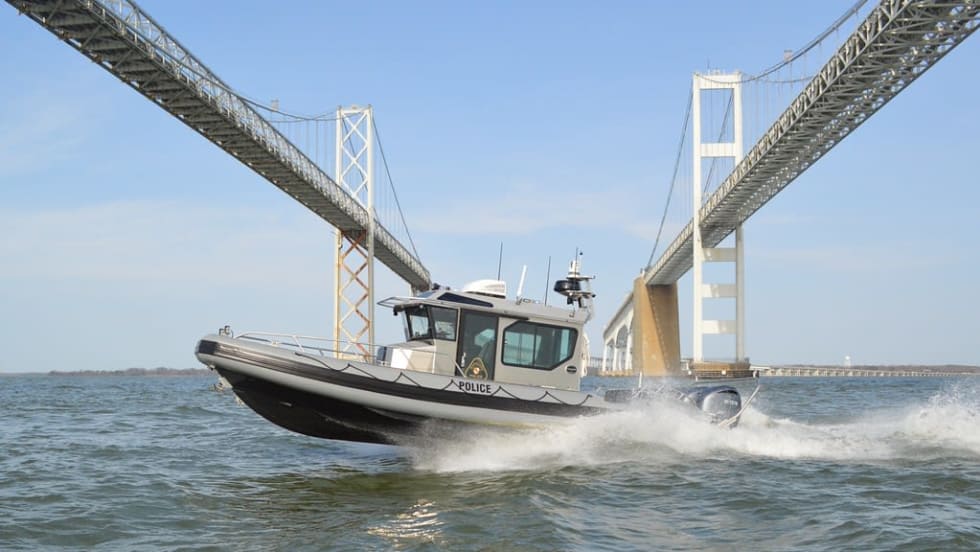
Maryland Natural Resources Police Adds 31-Foot Patrol Boat to Enforcement Fleet
A new addition to Maryland’s marine enforcement fleet is bringing expanded capabilities to Chesapeake Bay operations while honoring a legacy within the agency. The high-performance patrol vessel reflects how law enforcement fleets are adapting to growing demands on the water.
Read More →
LEHR Expands Florida Presence With Enforcement One Acquisition
LEHR has acquired Florida-based emergency vehicle upfitter Enforcement One, marking its eighth add-on acquisition.
Read More →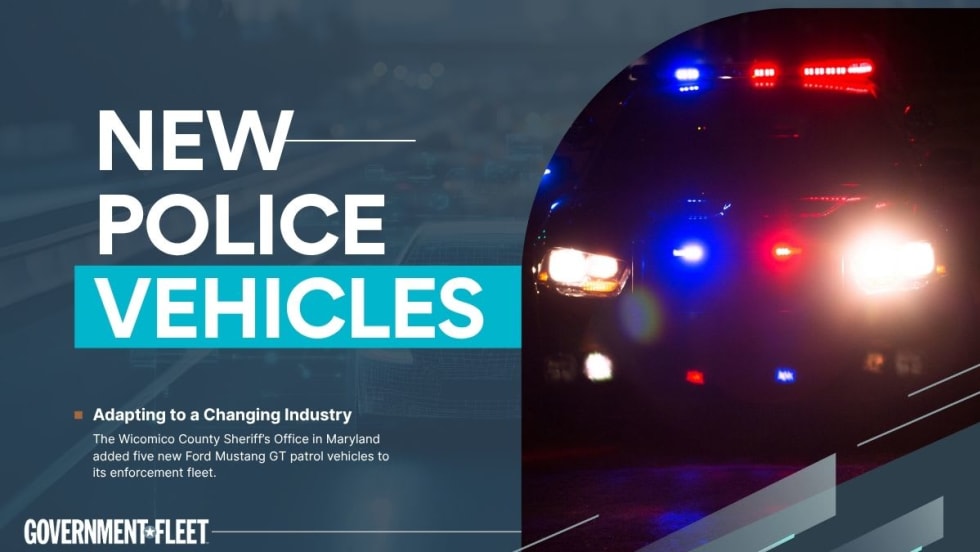
Maryland’s Wicomico County Sheriff Adds Mustang GT Patrol Vehicles
The agency is also working with the Maryland Police Training Commission on a specialized high-performance driving course for deputies assigned to the vehicles.
Read More →