





Related: How to Start a Motor Pool
Los Angeles Should Modernize Motor Pool
In a report, the City of Los Angeles' controller said that the motor pool could be improved with leasing, ride hailing, and other alternatives to vehicle ownership.
January 16, 2019

File photo
2 min to read
The City of Los Angeles’ motor pool operation could be improved with more frequent replacements, leasing, and the promotion of alternative transportation methods, according to a report from the city controller. The report, issued by city controller Ron Galperin, lists some of the strategies that he believes would make the motor pool a more cost-effective operation.
The city’s General Services Department maintains approximately 11,000 vehicles. This includes more than 1,800 sedans, light-duty trucks, vans, and SUVs that are made available to city employees to use for city business.
Generally, the city purchases and maintains vehicles in-house, and vehicles are kept as long as possible. The average age of motor pool vehicles is 11 years old, and 22% of the motor pool fleet Is more than 15 years old. Galperin noted that keeping older vehicles has led to high maintenance costs. A Ford F-250 purchased for $22,000 in 2001, for example, has incurred $76,000 in maintenance and repair costs.
Galperin recommended the city look into leasing, consider public transportation and mileage reimbursement as alternatives to motor pool rental, and partner with ride hailing companies. He also noted that the city should talk to fleet management companies to learn how the fleet operation can be improved with data.
Although the report specifically looks at the General Services motor pool, Galperin noted that many of his recommendations could be applied to city vehicles managed by other departments. The Police Department and Fire Department maintain their own vehicles. The Department of Water and Power, Los Angeles World Airports, and Port of Los Angeles are all responsible for the procurement, maintenance, and management of their own vehicle fleets.
Click here to read the full report.
More Operations

How St. Johns County Turned Fleet Data Into Better Replacement Decisions
St. Johns County, Florida, had fleet data, but turning it into reliable decision guidance was another matter. Instead of starting over with a new fleet management system, the county connected existing tools and built a scoring system that gives managers an objective look at fleet health.
Read More →
Fleet Forward Conference Introduces One-Day Passes for 2026
New one-day registration lets fleet professionals attend Tuesday, Wednesday, or Thursday, with passes available for $249.
Read More →
ENC Unveils its ZAVIR Medium-Duty Shuttle
Two variants of the concept shuttles were revealed: a low-floor configuration and a high-floor configuration.
Read More →
Could Your Next Fleet Technician Start as an Intern?
What if your next technician hasn’t worked in a fleet shop yet? What fleets are doing to free up time.
Read More →
How Phoenix Is Building Its Next Generation of Fleet Technicians
With more than 8,000 vehicles and pieces of equipment to maintain, the City of Phoenix could not afford to wait for fully trained technicians to walk through the door. Instead, they revamped their entire workforce strategy and showed how public fleets can create their own talent pipeline while preparing existing employees for increasingly complex vehicles.
Read More →
What’s Slowing Your Fleet Down?
Could a change in how work gets done help your fleet return vehicles to service sooner?
Read More →
Can Public Fleets Trust the Data Driving Their Decisions?
Public fleets have more data than ever, but inconsistent records and missing information can still undermine maintenance, replacement, and cost decisions.
Read More →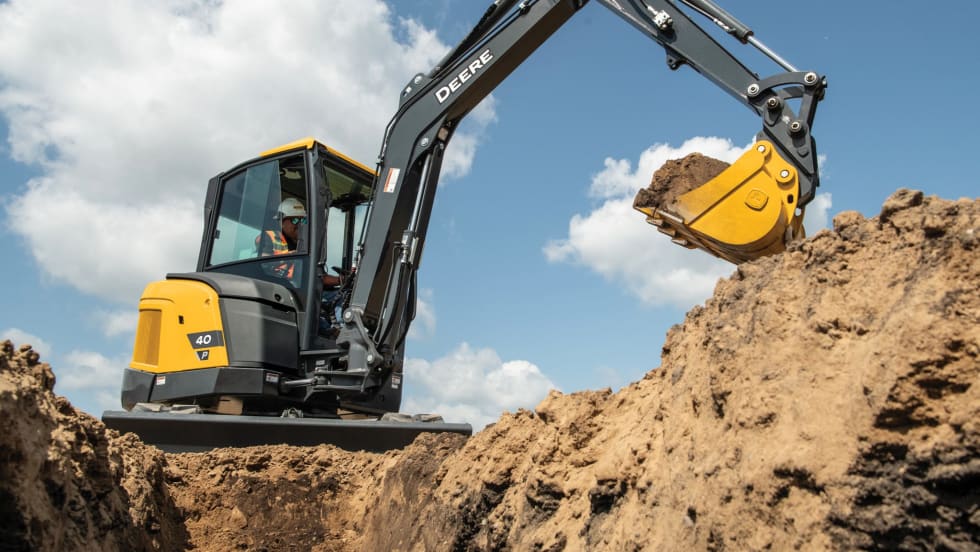
John Deere Introduces 40 P-Tier Compact Excavator
John Deere is adding a compact excavator designed for crews that need to move equipment between jobsites and handle multiple types of work with one machine. The 40 P-Tier weighs less than 10,000 pounds and offers configurable hydraulics, attachment options, and connected fleet-management capabilities.
Read More →
How Leading Fleets Improve and Why Business Plans Matter
This week, we look at what past Leading Fleet winners can teach us about making progress, plus how to build a business plan your fleet will actually use.
Read More →
Nominate a Fleet Leader for the 2027 Public Fleet Hall of Fame
Do you know a fleet leader who has made a lasting impact on the industry? Nominate this fleet professional for the 2027 Public Fleet Hall of Fame.
Read More →