




Kindberg Would Like to Lower County’s Vehicle Count
MAYVILLE, NY – The vehicle pool for Chautauqua County government has dropped slightly in the last five years, going from 211 to 207. But even though the number of county vehicles has decreased, Maria Kindberg, D–Jamestown and majority leader, said more can still be done to lower the vehicle count,
MAYVILLE, NY– The vehicle pool for Chautauqua County government has dropped slightly in the last five years, going from 211 to 207. But even though the number of county vehicles has decreased, Maria Kindberg, D–Jamestown and majority leader, said more can still be done to lower the vehicle count, according to the Jamestown Post Journal.
The county’s policy states it is only supposed to purchase and maintain vehicles if it is cheaper than paying out mileage reimbursement for employees to use their own wheels, or if it is absolutely essential for an employee to have a vehicle for their job duties.
Darin Schulz, county finance director, said county officials use a ‘‘break-even’’ spreadsheet analysis to determine whether a car will be purchased or mileage will be paid. He said the county has criteria in determining what types of county vehicles are purchased depending on who will use the vehicle and what purpose it will serve, according to the Jamestown Post Journal.
Schulz said the county purchases vehicles by taking out state contracts and by also bidding them out to the private sector to see if there is a better deal available. He said the county usually purchases its cars in one big allotment. The county also doesn’t lease cars, all light-duty county cars are purchased.
Outside of a few county officials, employees don’t take home county vehicles. Schulz said county employees that take vehicles home have to consider it part of their salary compensation and have to pay taxes.
The county also owns two hybrid Honda Civic vehicles, which are also the only two non-American motor company vehicles the county owns. Kindberg said she hopes the county continues to investigate alternative-fuel vehicles and hybrid cars to see if they are a more proper investment.
More Operations

How Dakota County Built a More Structured Fleet Operation
Kevin Schlangen shares how Dakota County’s fleet moved from reactive repairs and limited oversight to a more structured approach built around planning, training, and long-term cost control.
Read More →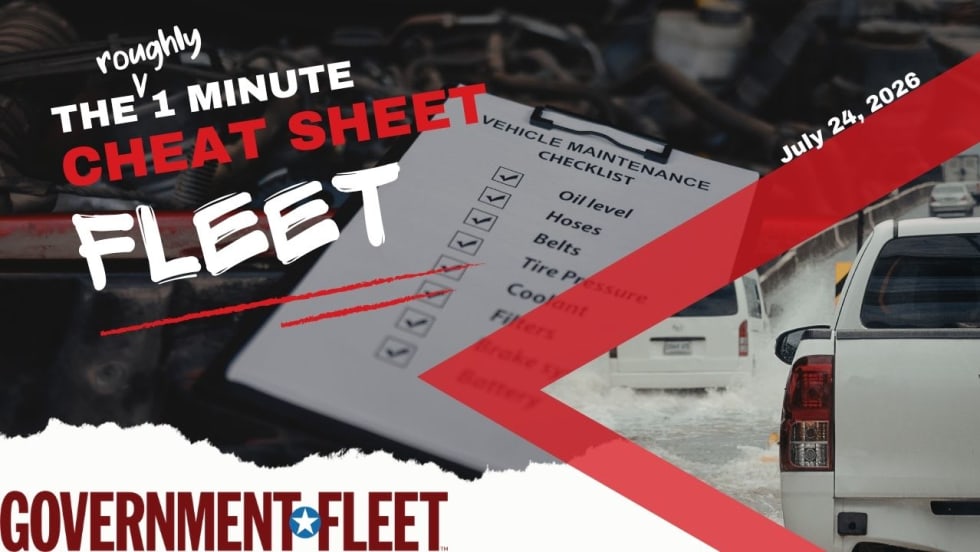
Is Your Fleet Ready Before the Storm Hits? | GovCast Cheat Sheet
Could better preparation before a storm and new vehicle technology help fleets recover faster while improving safety?
Read More →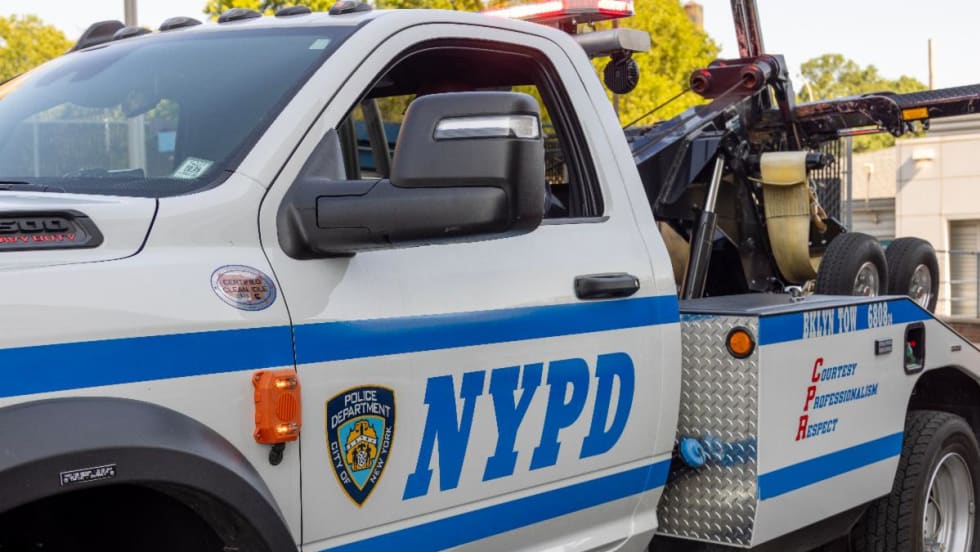
New York City Orders Safety Technology for Municipal Fleet
New York City is expanding the use of pedestrian alerts and intelligent speed assistance across its non-emergency fleet. The executive order establishes new technology requirements for future vehicle purchases while accelerating retrofits on thousands of existing municipal trucks.
Read More →
The Network Behind Better Government Fleet Decisions
A discussion on why relationships across the government fleet community have played such an important role and what shapes the leadership response.
Read More →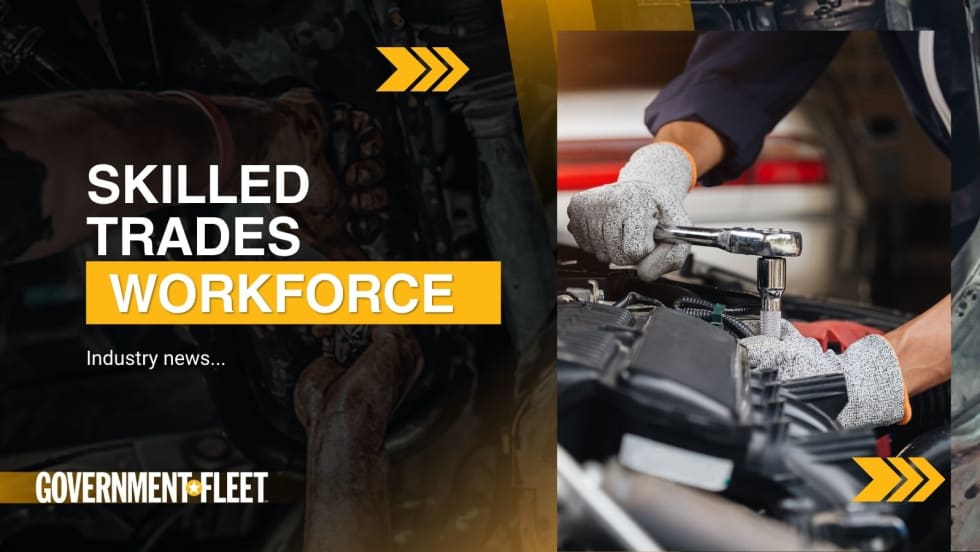
Ford, BlackRock, Google and Carhartt Form Skilled Trades Workforce Alliance
The alliance plans to develop a stronger pipeline between training programs and available jobs while examining workforce efforts already underway across the country.
Read More →
The Network Behind Better Government Fleet Decisions
A discussion on why relationships across the government fleet community have played such an important role and what shapes the leadership response.
Read More →
What Makes Fleet Technicians Stay? | GovCast Cheat Sheet
The technician hiring and retention discussion is not new, but the way fleets respond to it continues to matter.
Read More →
On the Road with Government Fleet: Essential Podcasts for Professionals
Let's celebrate listening! Check out a GovCast podcast and discover the insights and strategies that can transform your fleet management approach.
Read More →
How Real-World Vehicle Use Guides Replacement And Budgets
Three public fleet leaders explain how they use real-world vehicle data and long-term planning to keep aging assets in service and make more informed replacement and budgeting decisions in a high-cost environment.
Read More →