





Related: Planning for Fleet Electrification through a Distributed Charging Network
Jersey City to Implement Expansive EV Fleet
Mayor Steven M. Fulop announced July 13 the city's plan to expand use of electric vehicles, including fully electric garbage trucks and police response vehicles.
July 13, 2020
2 min to read
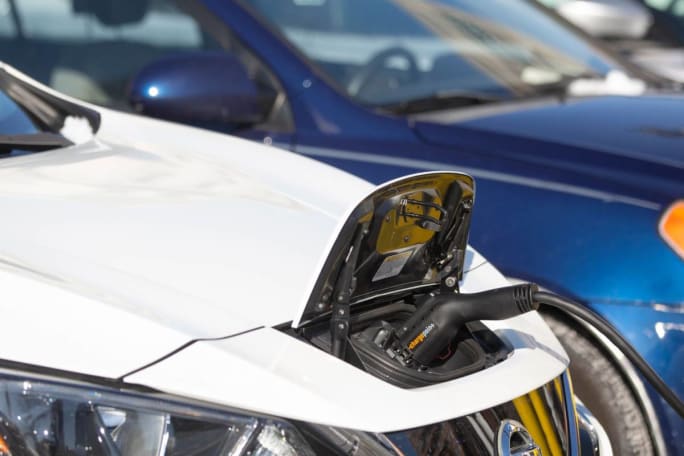
The infrastructure advancements to New Jersey’s largest municipal fleet fall under the Mayor’s Executive Order to require 10% of all new municipal fleet vehicles to be fully electric this year where available, with a goal of 100% of new municipal fleet vehicles to be fully electric by 2030.
Photo: Jennifer Brown/City of Jersey City
Jersy City, N.J., Mayor Steven M. Fulop announced July 13 the expansive implementation of electric vehicles throughout Jersey City’s municipal fleet to become the first on the East Coast with fully electric garbage trucks and some of the first EV Police response vehicles. The infrastructure advancements to New Jersey’s largest municipal fleet fall under the Mayor’s Executive Order to require 10% of all new municipal fleet vehicles to be fully electric this year where available, with a goal of 100% of new municipal fleet vehicles to be fully electric by 2030.
The city has rapidly transitioned toward a greener future, implementing the following initiatives in just the last year:
All new vehicles purchased in 2020 have been fully electric (eight total)
First municipality on the East Coast to purchase five fully electric garbage trucks through a $2 million NJDEP grant the city was selected for out of 150 proposals
Four fully electric police vehicles to pilot JCPD fleet shift
24 EV charging stations installed for municipal and public use across the city, purchased through a $76,000 NJDEP grant
Established the first EV-only parking zones in NJ at EV charging stations to help foster public adoption
Jersey City Via rideshare service is one of the first transit services in the country to use EVs with over
10% of the current fleet being fully electric
New solar panels installed at DPW provide electricity to the building and EV charging stations through the 1.23 Megawatt solar array
City’s first car-sharing program optimizes the size and efficiency of all fleet vehicle operations eliminating underused vehicles to drastically reduce greenhouse gas emissions
Replaced right older, less efficient gas-powered vehicles with four Nissan Leafs
“While Jersey City has been awarded several NJDEP grants to subsidize much of the initial electrification costs and vehicle purchases, the significantly reduced energy and maintenance costs for EVs will allow these investments to pay for themselves over the course of a few years,” said Business Administrator Brian Platt. “The five electric garbage trucks will be among the first of its kind in the nation and even around the world, and will replace eight of our highest polluting vehicles in the city.”
More Green Fleet
Sustainability Partners, Energy Systems Group Help Albuquerque Close the Gap on its 100% Renewable Energy Goal
The eight-site, 6 MW solar project has advanced the city toward 100% renewable energy for municipal operations.
Read More →
Port Authority and CALSTART Launch $45 Million Electric Truck and Charging Programs
The programs aim to boost sustainable operations across the East Coast's busiest seaport.
Read More →
Moving Government Fleets Beyond the Vehicle Purchase: EV as a Service
A discussion on how EVaaS is moving beyond pilot programs and what fleets should consider before beginning a larger deployment.
Read More →
Moving Government Fleets Beyond the Vehicle Purchase: EV as a Service
As fleets move beyond small EV pilots, Sustainability Partners CEO Adam Cain explains how EVaaS can address the infrastructure and long-term planning required for larger deployments.
Read More →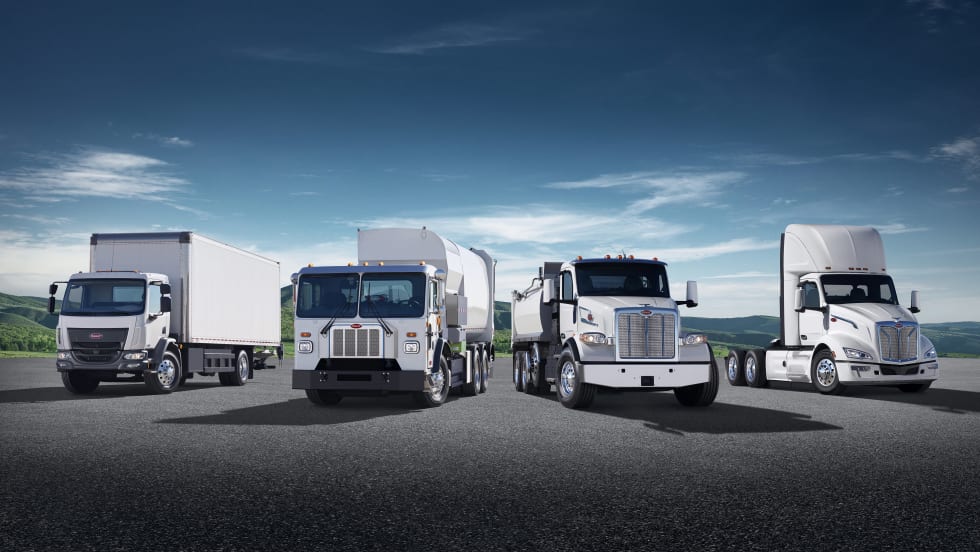
Peterbilt Expands Sourcewell Partnership with Electric Vehicle Lineup
The agreement aims to provide streamlined procurement of Peterbilt trucks for government, education, nonprofit and tribal organizations across the United States and Canada.
Read More →
EV Adoption & Charging Challenges
Where is your fleet in the journey of vehicle electrification? If you're still looking for answers to fleet electrification you've come to the right place.
Read More →
Hawaii Passes Clean Fuel Policy
Hawaii lawmakers passed clean fuel legislation that could support renewable natural gas production, biogas-powered transportation, and lower-carbon fueling options for public and commercial fleets.
Read More →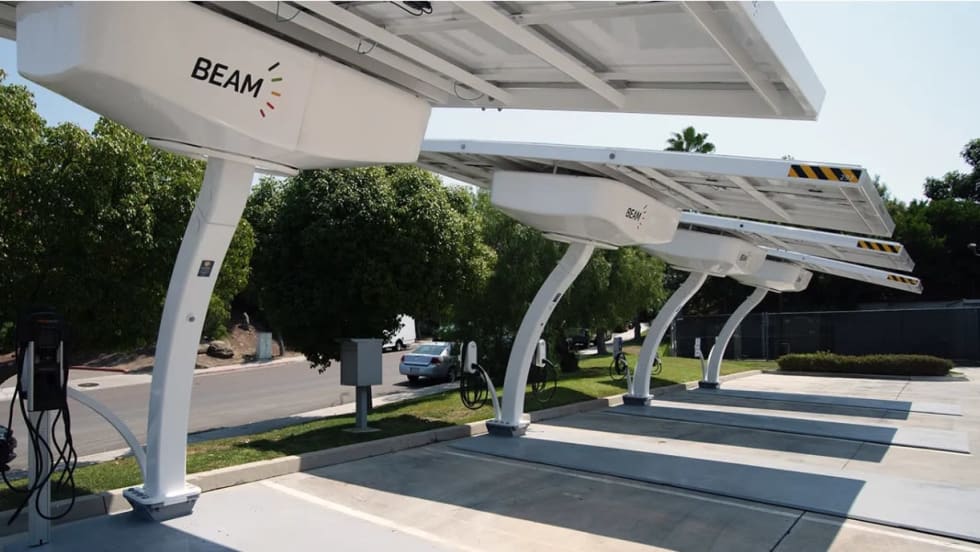
Stanislaus County Deploys Ten Beam Global EV ARC Systems to Support County Fleet Electrification
Stanislaus County deployed 10 off-grid solar-powered EV charging systems and a mobile charging trailer from Beam Global to support its electric fleet operations and emergency response flexibility.
Read More →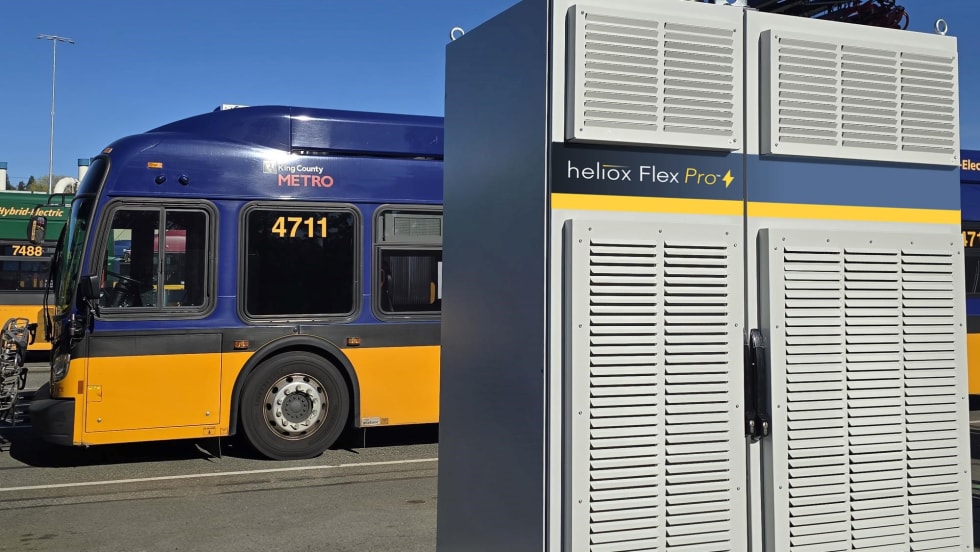
Heliox Pilots 480-kW Bus Charger with King County Metro
King County Metro is piloting Heliox’s new 480-kW Flex Pro charger to support expansion of its battery-electric bus fleet and depot charging infrastructure. The compact charging system supports pantograph and plug-in charging configurations for high-density transit operations.
Read More →