




Related: Indianapolis Officials Concerned About Vision Fleet Deal
Indianapolis Ends Controversial EV Lease Program
Officials in Indianapolis have agreed to end its electric vehicle (EV) leasing program and gradually return the majority of the vehicles to the supplier.
February 21, 2018
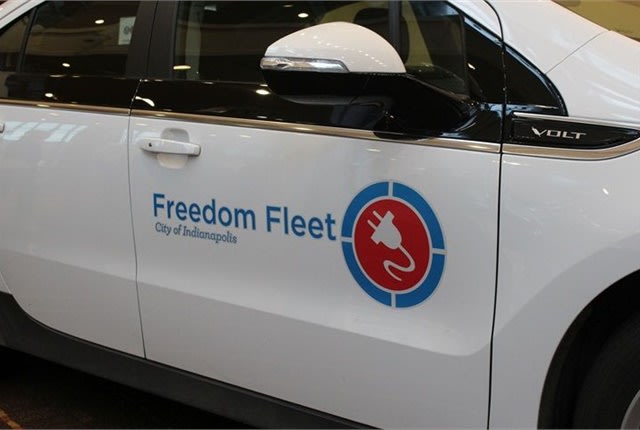
Photo courtesy of Vision Fleet
1 min to read
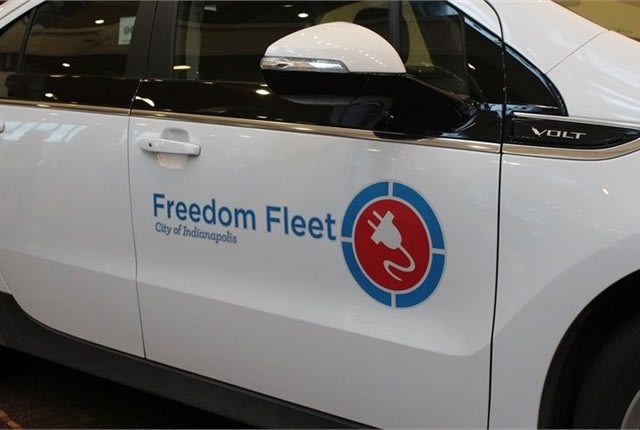
Photo courtesy of Vision Fleet
Officials in Indianapolis have agreed to end a controversial electric vehicle (EV) leasing program and gradually return the majority of the vehicles to the supplier, Fox 59 reported.
The 2014 Vision Fleet Contract, signed by then-Mayor Greg Ballard, was meant to provide the city was 425 leased EVs and plug-in hybrids at a cost of $32 million through 2021, at which point the city was to purchase the vehicles for $1; Indiana’s capital city would then be responsible for remarketing the vehicles.
The contract also stated that Vision Fleet would provide charging infrastructure installation, preventive maintenance, and vehicle analytics.
At the time of the original deal’s signing, city officials opposed it and the city council eventually sued Ballard for not following procurement protocol. While vehicle deployment was halted during litigation, the lawsuit was eventually settled, and Vision Fleet signed a new contract with the city to continue supplying the vehicles.
The new deal signed by current Mayor Joe Hogsett with Indy-Vision Funding I, LLC, will have the city return the 200 cars it has already received by Jan. 1, 2019. It will keep 12 of the vehicles and pay $500,000 for the 43 charging stations built at five city-owned property sites. The city states this was because the vehicles do not meet the needs of city agencies.
More Procurement
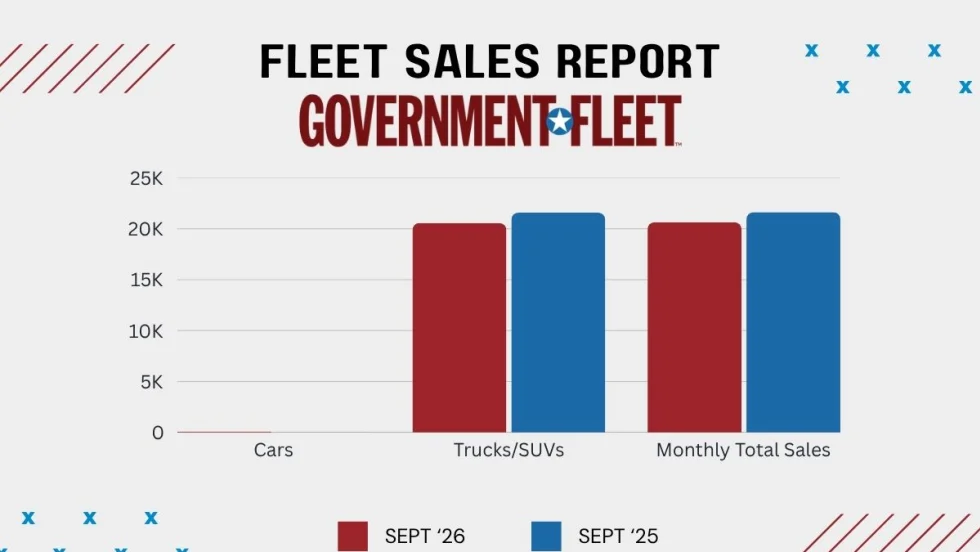
Government Fleet Car Sales More Than Double in September
Government fleet car sales rose 112.8% year over year in September, climbing from 39 to 83 units even as total monthly sales declined 4.5%.
Read More →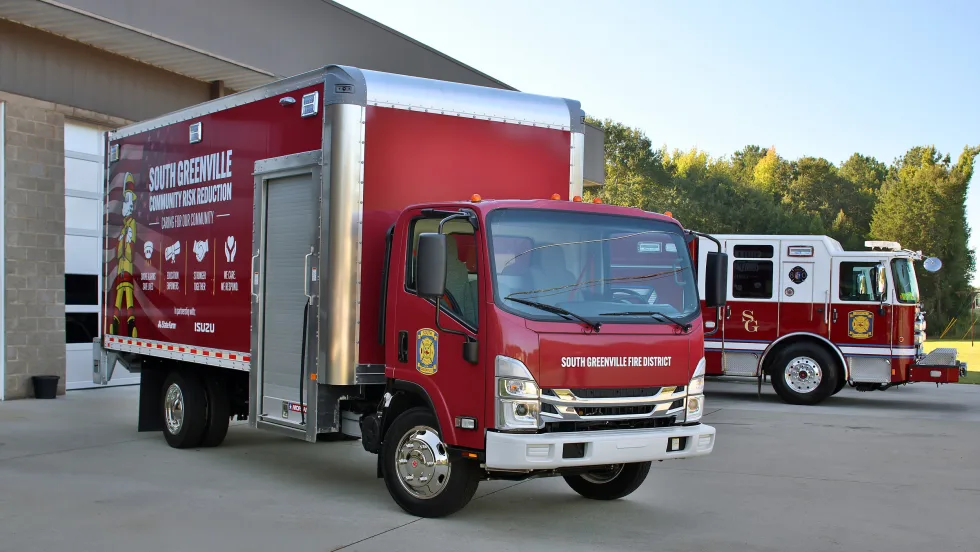
Isuzu Donates New N-SERIES NRR Truck to South Greenville Fire District to Support Community Outreach
Isuzu NRR equipped with Morgan truck body and PALFINGER liftgate will help support fire safety education, community engagement and outreach programs throughout Southern Greenville County.
Read More →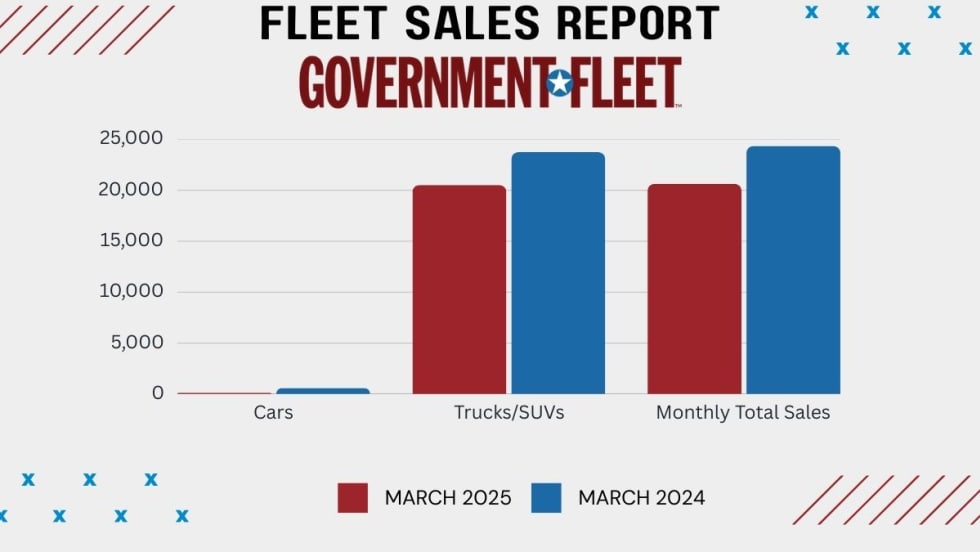
Government Vehicle Sales See Continued Growth from Beginning of Year
Government fleet sales rose from both January and February monthly totals, which were both under 20,000.
Read More →
Updated: Trump Signs Proclamation Imposing 25% Tariff on Auto Imports
A new proclamation signed by President Trump imposes a 25% tariff on imported passenger vehicles and key auto parts, citing national security concerns.
Read More →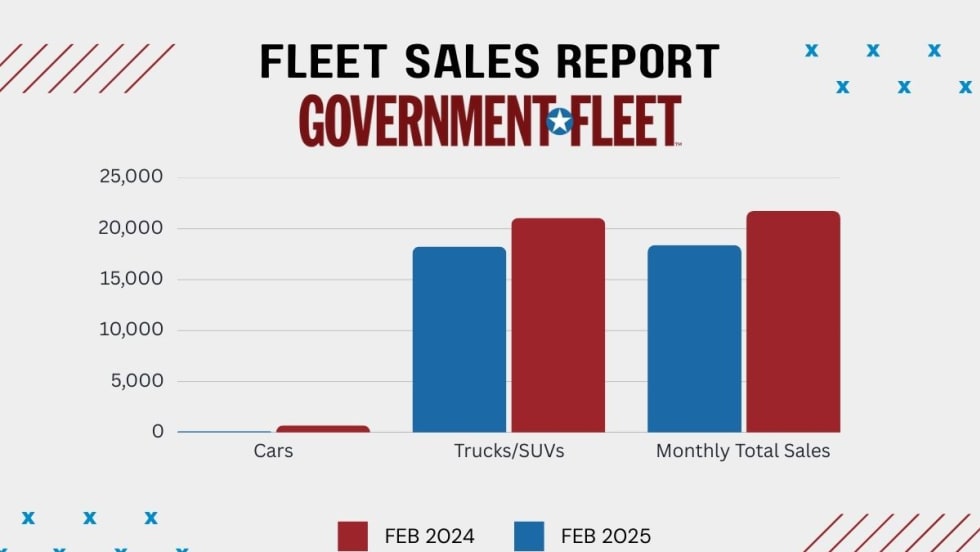
Government Vehicles Sales See Another Dip Compared to 2024
Government fleet sales last month came in at 18,383 vehicles, falling 15.4% from 21,737 in February 2024.
Read More →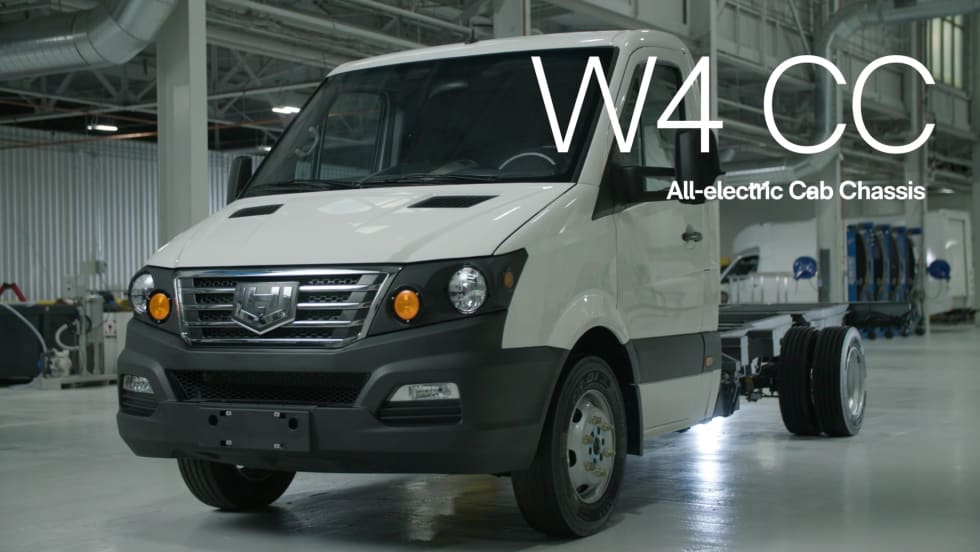
Washington Municipality Adds Workhorse Electric Trucks to Fleet
The municipality will deploy two W4 CC electric work trucks for trash and recycling can switch-outs, enhancing the efficiency of its waste management services.
Read More →
From the Archives: Changes in Fleet Acquisitions
When vehicles become harder to acquire, fleet managers must balance keeping vehicles on the road longer while managing the escalating operating costs of older vehicles.
Read More →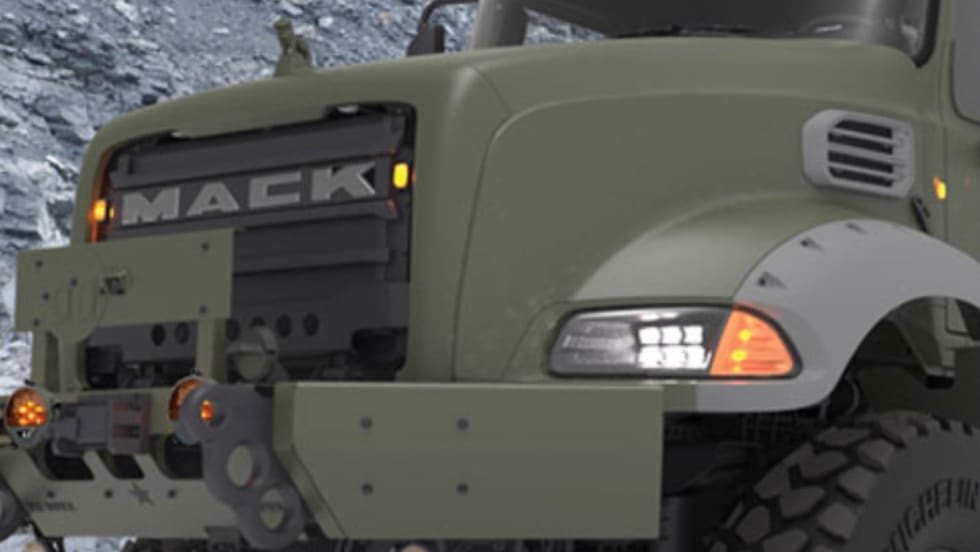
Mack Defense Awarded Contract By U.S. Marine Corps To Develop Medium Tactical Truck
The U.S. Marine Corps awarded Mack Defense a 12-month contract for the initial development of a new Medium Tactical Trucks (MTT) fleet.
Read More →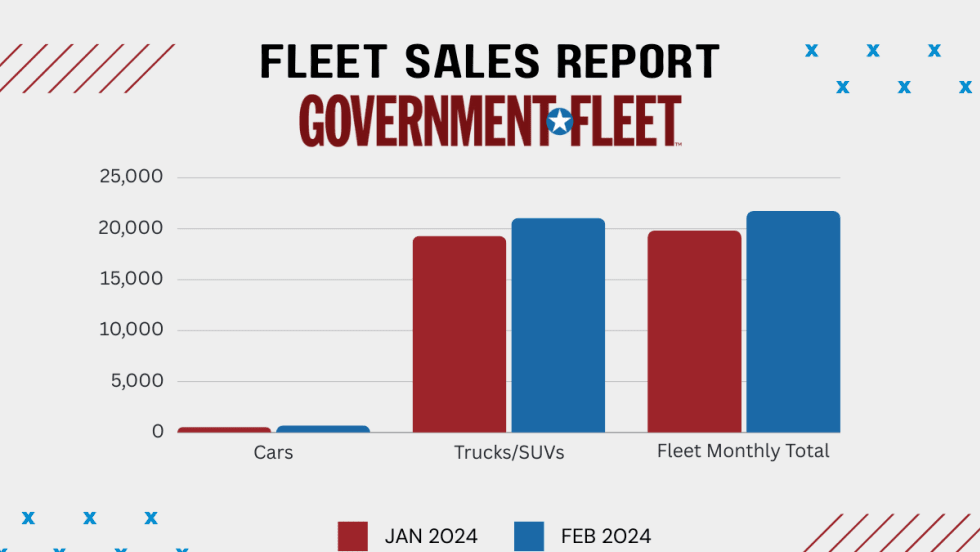
Government Vehicle Sales Rise from January to February
Government vehicle sales continue to rise into 2024 with both car and truck/SUV sales climbing between January and February of 2024, according to Bobit/Government Fleet sales data released March 2.
Read More →
How the UAW Strike Affected Government Fleet Orders from the Big 3
Government Fleet asked the Big 3 how their operations have been in the weeks since the UAW strike ended, with new contracts ratified. Plus, automakers address concerns about vehicle delivery delays.
Read More →