




Ind. DOT Halts Propane Autogas Use Amid Energy Crisis
The Indiana Department of Transportation (INDOT) will continue filling its bi-fuel propane autogas trucks with gasoline through March 1 to help residents coping with the propane shortage in the region.
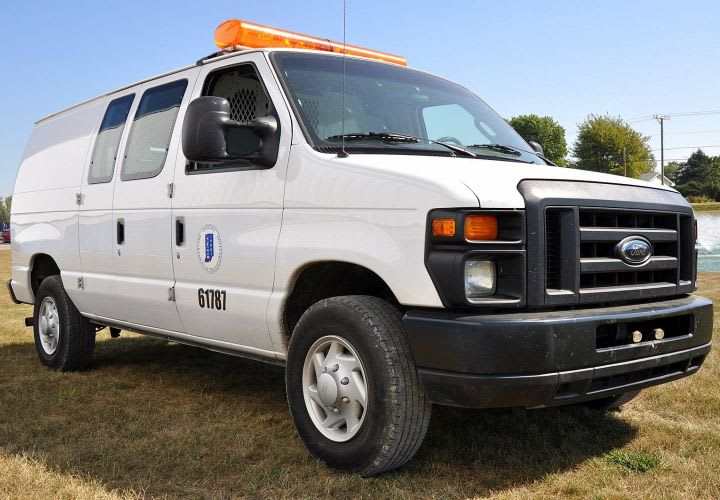
Photo of bi-fuel van courtesy of INDOT.
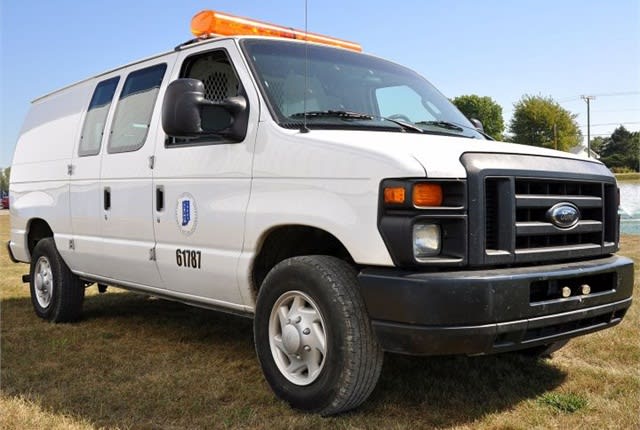
Photo of bi-fuel van courtesy of INDOT.
The Indiana Department of Transportation (INDOT) will continue filling its bi-fuel propane autogas trucks with gasoline through March 1 to help residents coping with the propane shortage in the region.
Gov. Mike Pence directed INDOT to implement the practice on Jan. 23, as harsh winter weather and a propane infrastructure glitch dried up supplies in Indiana, Michigan, Wisconsin, and Nebraska. Nearly 10 percent of Indiana's residents use propane to heat their homes.
The state transportation agency stopped filling its 580 light duty bi-fuel trucks with propane autogas at that time, a spokesman for Gov. Pence told Government-Fleet.com. The fuel is dispensed in liquid form.
Gov. Pence declared an energy emergency in the state on Jan. 29. The U.S. Department of Transportation also issued a regional order for the Midwestern and Eastern regions that would allow transporters to move propane more freely.
Propane autogas is derived from propane, and tends to fluctuate in price during peak usage periods as more propane is used for residential heating. Vehicle fleets are considered "baseload" users because their fuel consumption is consistent and less tied to weather-related price spikes, said Tucker Perkins, chief business development officer with the Propane Education & Research Council.
"Our industry is counting on baseload like autogas to create the demand to drive the investment," Perkins said. "The problem is not a baseload customer. It's the heating-intensive peak users."
Cold weather in the Midwest and East led to record-high natural gas and propane storage withdrawals, challenges that stem from the October harvest of an unusually wet crop of grain and corn. As a result, a large amount of propane was needed to dry the crop before storage.
At the time, the Cochine pipeline, which provides 40 percent of the propane used by Minnesota suppliers, was shut down for repairs. Increasing global demand for propane — 20 percent of U.S. propane was exported in 2013 compared with 5 percent in 2008 — also caused the shortage, according to the Natural Propane Gas Association.
Related:
More Green Fleet
Sustainability Partners, Energy Systems Group Help Albuquerque Close the Gap on its 100% Renewable Energy Goal
The eight-site, 6 MW solar project has advanced the city toward 100% renewable energy for municipal operations.
Read More →
Port Authority and CALSTART Launch $45 Million Electric Truck and Charging Programs
The programs aim to boost sustainable operations across the East Coast's busiest seaport.
Read More →
Moving Government Fleets Beyond the Vehicle Purchase: EV as a Service
A discussion on how EVaaS is moving beyond pilot programs and what fleets should consider before beginning a larger deployment.
Read More →
Moving Government Fleets Beyond the Vehicle Purchase: EV as a Service
As fleets move beyond small EV pilots, Sustainability Partners CEO Adam Cain explains how EVaaS can address the infrastructure and long-term planning required for larger deployments.
Read More →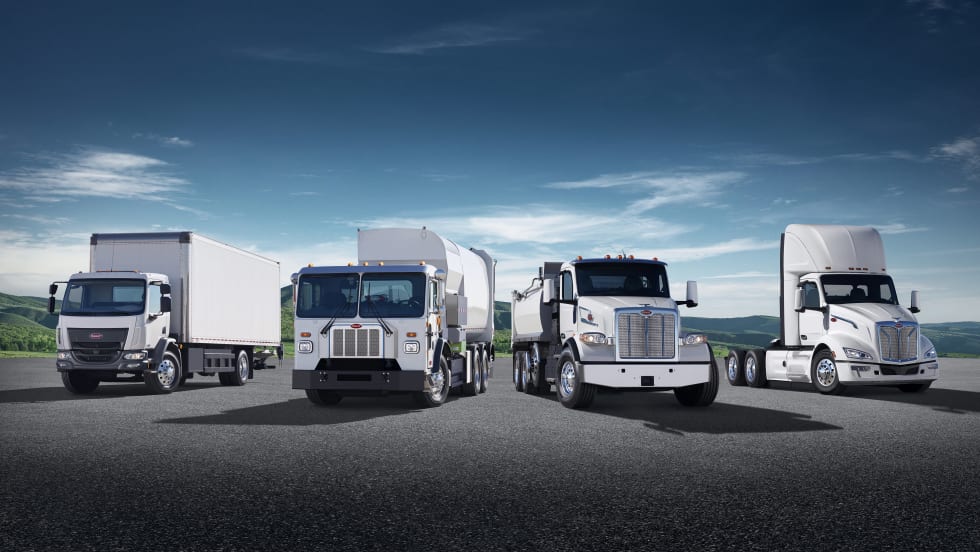
Peterbilt Expands Sourcewell Partnership with Electric Vehicle Lineup
The agreement aims to provide streamlined procurement of Peterbilt trucks for government, education, nonprofit and tribal organizations across the United States and Canada.
Read More →
EV Adoption & Charging Challenges
Where is your fleet in the journey of vehicle electrification? If you're still looking for answers to fleet electrification you've come to the right place.
Read More →
Hawaii Passes Clean Fuel Policy
Hawaii lawmakers passed clean fuel legislation that could support renewable natural gas production, biogas-powered transportation, and lower-carbon fueling options for public and commercial fleets.
Read More →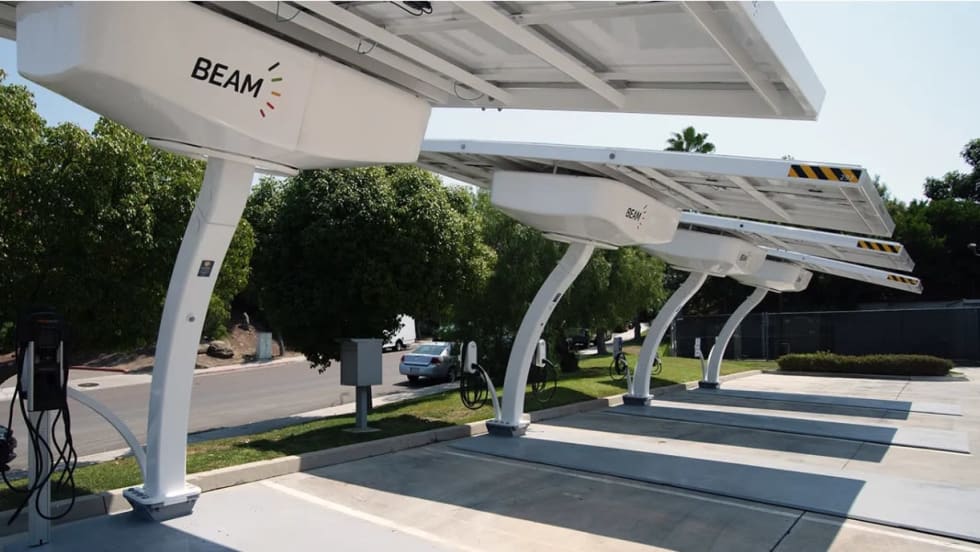
Stanislaus County Deploys Ten Beam Global EV ARC Systems to Support County Fleet Electrification
Stanislaus County deployed 10 off-grid solar-powered EV charging systems and a mobile charging trailer from Beam Global to support its electric fleet operations and emergency response flexibility.
Read More →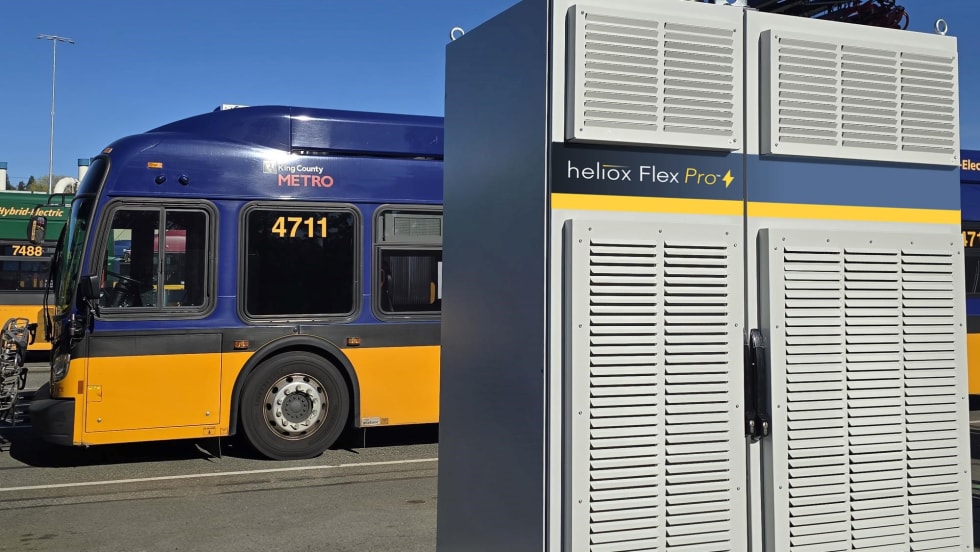
Heliox Pilots 480-kW Bus Charger with King County Metro
King County Metro is piloting Heliox’s new 480-kW Flex Pro charger to support expansion of its battery-electric bus fleet and depot charging infrastructure. The compact charging system supports pantograph and plug-in charging configurations for high-density transit operations.
Read More →