





Related: 6 Reasons Telematics is Essential for Snow Operations
How Fleets Are Handling the Recent Winter Storms
From compacted snow to snowplow breakdowns, to dealing with citizen complaints, here's how municipalities have been handling the recent winter storms.
December 4, 2019

Photo via Pixabay
2 min to read
Winter storms are raging, and government fleet employees and vehicles are out on the streets making sure residents can still get around.
The City of Duluth, Minn., faced plowing challenges as residents continued to travel despite a “no travel” advisory. This compacted snow and created ruts on residential streets, resulting in crews having to use a plow and a grader down each street, Fox21 reported. The city is using 20 plows and 18 graders, and crews were working 24 hours a day as of Monday afternoon.
New York City’s snow equipment is breaking down while responding to the city’s first significant storm of the season, the city’s mechanics union said. At least seven salt spreaders, three mini spreaders, and four other vehicles broke down during the weekend; the union leader blamed shoddy work by private garages and shrinkage of the city’s unionized garages, according to the New York Daily News.
A week after a major storm and after resident complaints, the City and County of Denver on Monday dispatched 30 plows to drop de-icer on residential streets, which still have icy ruts, the Denver Post reported. This is a change from its normal policy of dispatching pickup trucks with plows that aren’t equipped to spread de-icer on roads.
The City of Fitchburg, Mass., received nearly 25 inches of snow in the past few days, or more than a third of its average annual snowfall, the Sentinel & Enterprise reported. The city was ready for the storm, with 25 plow trucks, spreaders, and other heavy equipment, as well as contractors with an additional 58 plows and 10 spreaders ready to assist. The city pre-treats roads with salt and sprays calcium chloride on the salt to help it stick to the road.
St. Louis County, Minn., is expected to approve the purchase of a dozen snowplow trucks costing nearly $1.6 million just days after one of the largest snowfalls in the area, the Duluth News Tribune reported. The Mack Granite tandem axle diesel trucks replace units that are 20 years old and are expected to be delivered next winter.
More Operations

How St. Johns County Turned Fleet Data Into Better Replacement Decisions
St. Johns County, Florida, had fleet data, but turning it into reliable decision guidance was another matter. Instead of starting over with a new fleet management system, the county connected existing tools and built a scoring system that gives managers an objective look at fleet health.
Read More →
Fleet Forward Conference Introduces One-Day Passes for 2026
New one-day registration lets fleet professionals attend Tuesday, Wednesday, or Thursday, with passes available for $249.
Read More →
ENC Unveils its ZAVIR Medium-Duty Shuttle
Two variants of the concept shuttles were revealed: a low-floor configuration and a high-floor configuration.
Read More →
Could Your Next Fleet Technician Start as an Intern?
What if your next technician hasn’t worked in a fleet shop yet? What fleets are doing to free up time.
Read More →
How Phoenix Is Building Its Next Generation of Fleet Technicians
With more than 8,000 vehicles and pieces of equipment to maintain, the City of Phoenix could not afford to wait for fully trained technicians to walk through the door. Instead, they revamped their entire workforce strategy and showed how public fleets can create their own talent pipeline while preparing existing employees for increasingly complex vehicles.
Read More →
What’s Slowing Your Fleet Down?
Could a change in how work gets done help your fleet return vehicles to service sooner?
Read More →
Can Public Fleets Trust the Data Driving Their Decisions?
Public fleets have more data than ever, but inconsistent records and missing information can still undermine maintenance, replacement, and cost decisions.
Read More →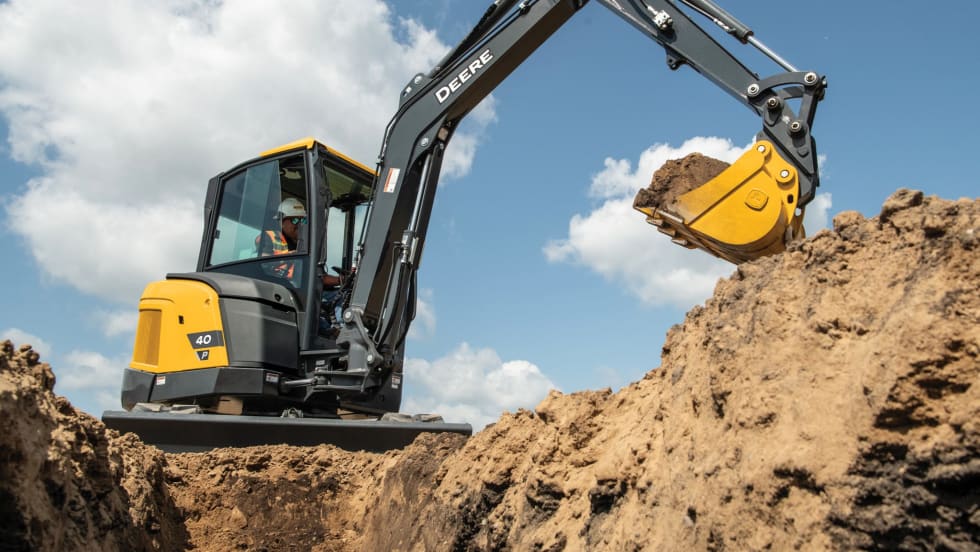
John Deere Introduces 40 P-Tier Compact Excavator
John Deere is adding a compact excavator designed for crews that need to move equipment between jobsites and handle multiple types of work with one machine. The 40 P-Tier weighs less than 10,000 pounds and offers configurable hydraulics, attachment options, and connected fleet-management capabilities.
Read More →
How Leading Fleets Improve and Why Business Plans Matter
This week, we look at what past Leading Fleet winners can teach us about making progress, plus how to build a business plan your fleet will actually use.
Read More →
Nominate a Fleet Leader for the 2027 Public Fleet Hall of Fame
Do you know a fleet leader who has made a lasting impact on the industry? Nominate this fleet professional for the 2027 Public Fleet Hall of Fame.
Read More →