





Related: Doosan Bobcat Begins Autonomous Research for Compact Equipment
Honda Unveils Autonomous Off-Road Vehicle Prototype
The Autonomous Work Vehicle is based on Honda's all-terrain vehicle (ATV) chassis, and designed for a variety of applications.
December 14, 2018
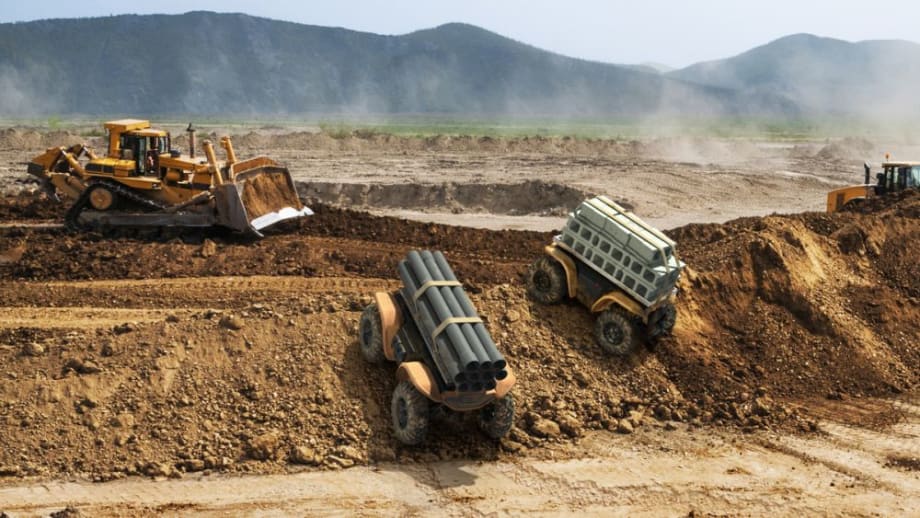
In construction applications, the Autonomous Work Vehicle could be used to transport heavy materials.
Photo courtesy of Honda
2 min to read
Honda plans to unveil a prototype Autonomous Work Vehicle at the upcoming Consumer Electronics Show (CES) which takes place in Las Vegas next month. Over the past year, the automaker has tested the prototype in a variety of applications, including contruction, agriculture, and emergency response.
The Autonomous Work Vehicle is based on Honda’s all-terrain vehicle (ATV) chassis. It incorporates GPS and sensor-based autonomy, a rail accessory mount for a variety of accessories and attachments, and onboard power plug-ins. The vehicle can be programmed in different modes of autonomy — "Follow Me," "Pattern," and "A to B" — to accommodate a range of applications.
Since it was first introduced a year ago at CES 2018, Honda has worked with partners to beta test the vehicle in a variety of work environments, including a large-scale solar operations company, a wildland firefighting division, and an agricultural and environmental sciences college.
For the solar operations company, vegetation management is one of its biggest challenges to reliable and affordable energy generation. It currently uses both sheep and manual labor to keep the vegetation under control. Honda equipped a tow-behind mower to the Autonomous Work Vehicle allowing it to remove weeds around the solar panels efficiently and safely.
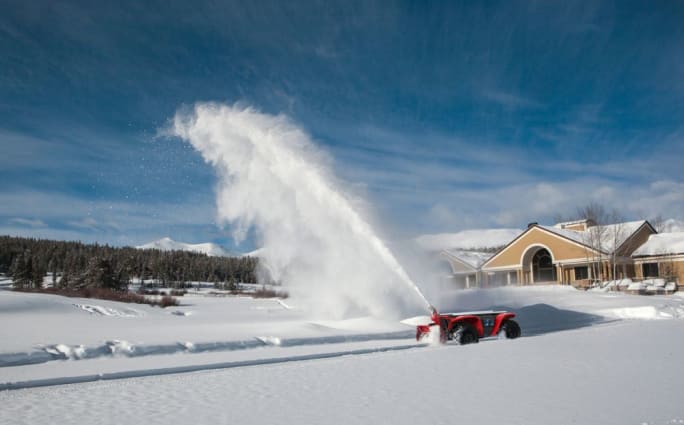
The Autonomous Work Vehicle could be used with a variety of attachments and accessories to accomplish many jobs.
Photo courtesy of Honda
Currently, wildland firefighters in Colorado carry approximately 60 pounds of equipment, including chainsaws and water packs, while navigating steep terrain. To relieve this physical strain, Honda installed a gear rack on the Autonomous Work Vehicle to transport supplies, equipment, and water. The vehicle autonomously followed the firefighters with their gear in tow.
Working with an agricultural and environmental sciences college in California, the Honda Autonomous Work Vehicle supported the harvest of crops and spray applications. Honda equipped the vehicle with a gear rack and crates so agricultural workers could more easily load and transport crops using “A to B” mode. The Autonomous Work Vehicle was also fitted with a variety of work implements, including a spraying application for weed and pest control. This real-world testing demonstrated the Autonomous Work Vehicle's ability to save time and minimize the potential for injury to workers in the agriculture industry.
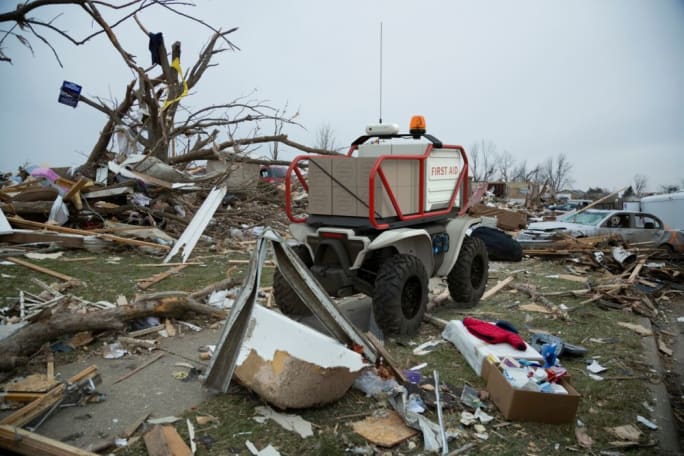
The autonomous vehicle prototype could be programmed to transport heavy materials during emergency situations, lowering the risk of injury for first responders.
Photo courtesy of Honda
More Equipment
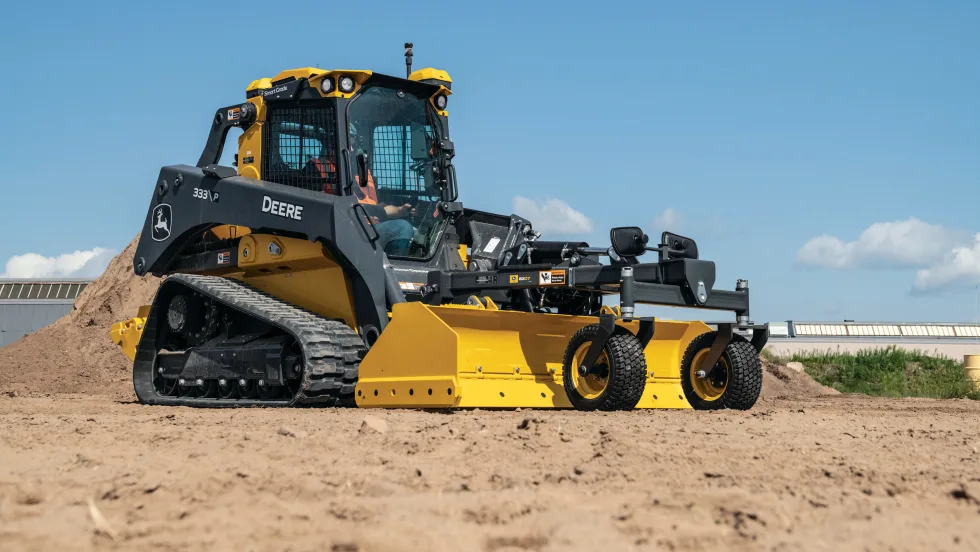
John Deere Adds SmartGrade Box Blades, Fire Suppression Option
John Deere is expanding the capabilities of its compact track loaders with new grading attachments and an equipment protection option. The additions include two SmartGrade box blades for the 333 and 335 P-Tier models and an integrated fire suppression system for large-frame machines.
Read More →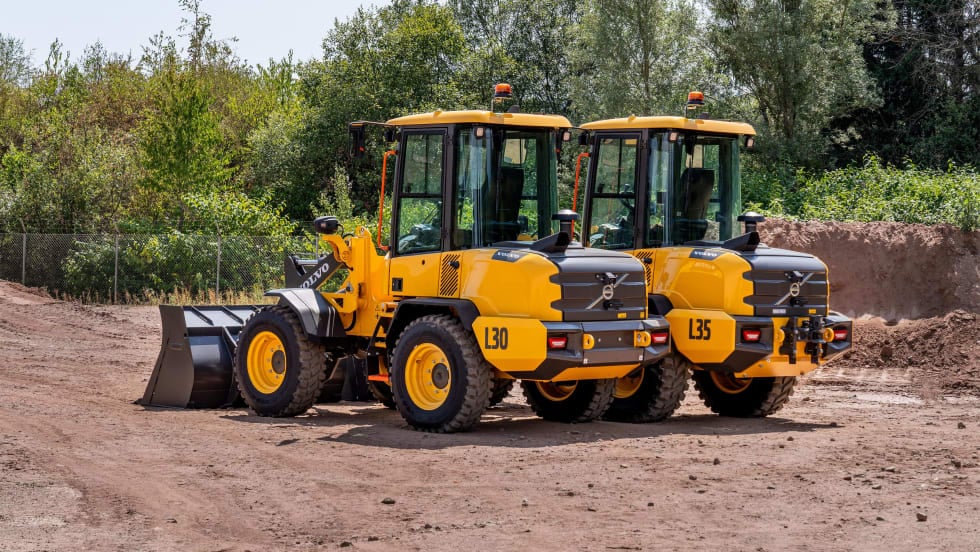
Volvo Updates L30 and L35 Compact Wheel Loaders With Redesigned Rear Frame
The updates aim to provide customers with more flexibility to use the machines for different jobs while improving service access and everyday operation.
Read More →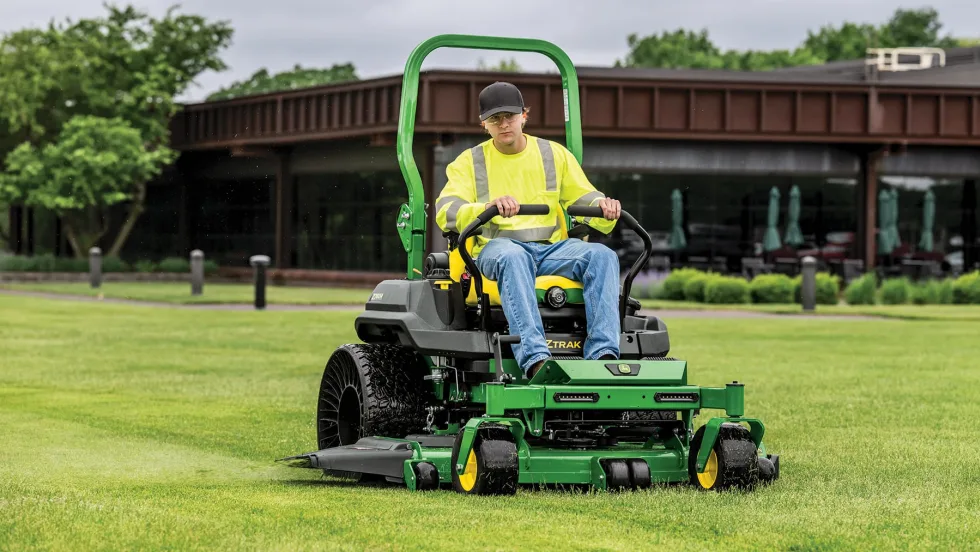
John Deere Updates Z700 ZTrak Commercial Mower Lineup
Public agencies responsible for maintaining large properties have several updated mower options from John Deere. The refreshed Z700 ZTrak lineup adds upgraded engines, transmissions, mower decks, and operator features across four models.
Read More →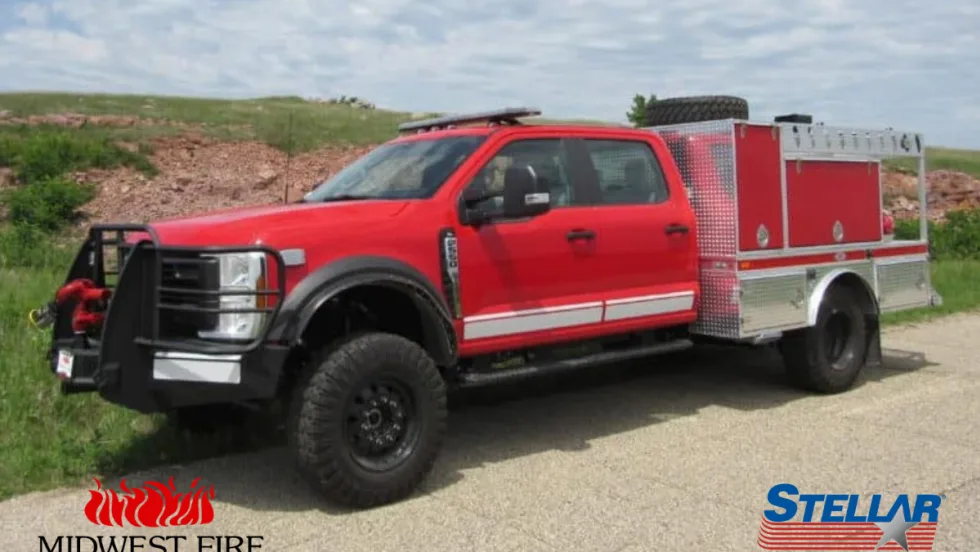
Stellar Industries Acquires Midwest Fire
The acquisition brings a manufacturer of custom fire apparatus under Stellar Industries, expanding the work-truck manufacturer into the fire and emergency response market. Midwest Fire will continue operating from its existing Minnesota headquarters as a distinct company.
Read More →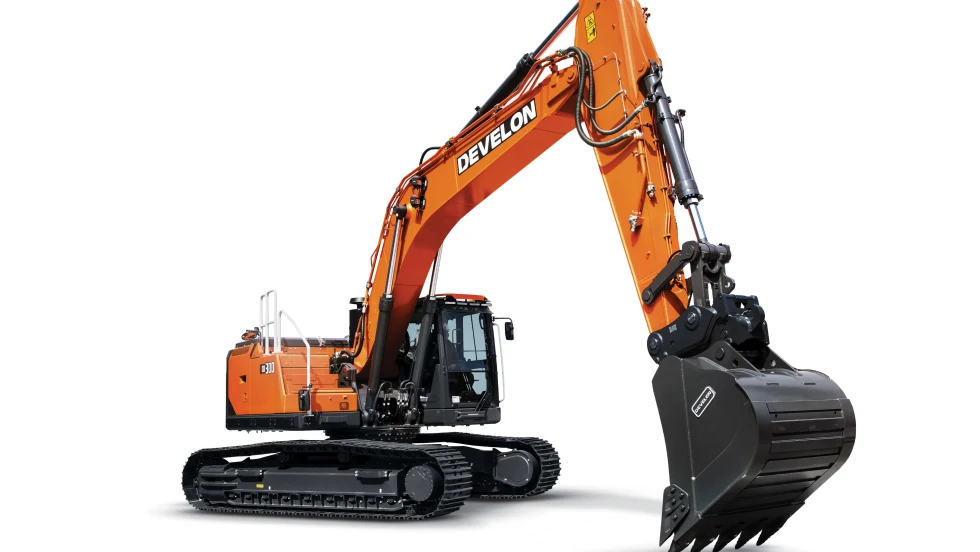
DEVELON Adds DX300LC-9 Excavator to -9 Series
For public works operations handling infrastructure, road, and utility projects, DEVELON has added a new 33-metric-ton excavator to its equipment lineup. The DX300LC-9 combines updated controls with technology designed to address operator safety, equipment monitoring, and machine operation.
Read More →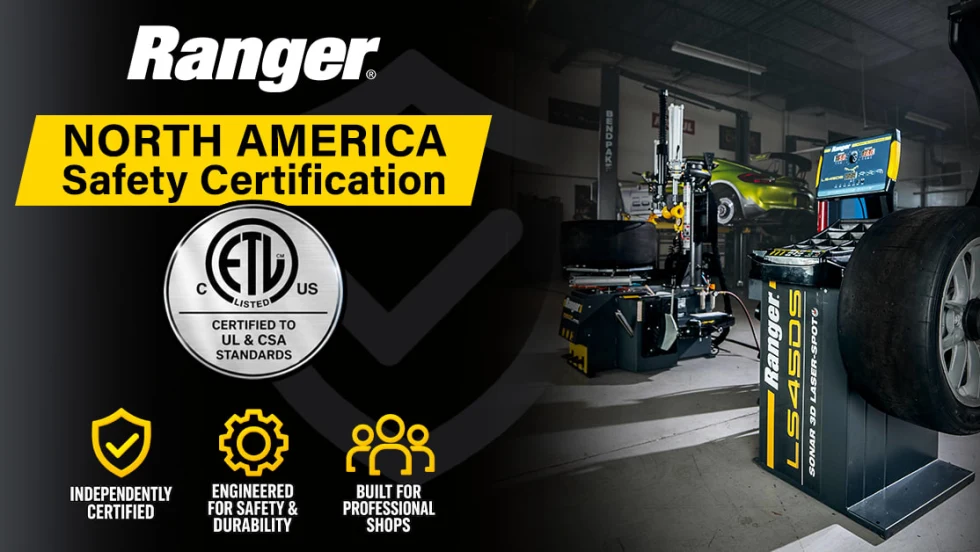
BendPak Ranger Wheel Service Equipment Receives Safety Certification
Equipment used every day in fleet maintenance shops comes with its own set of safety considerations. Following an 18-month redesign and testing process, BendPak's Ranger tire changers and wheel balancers have received certification to applicable U.S. and Canadian safety standards.
Read More →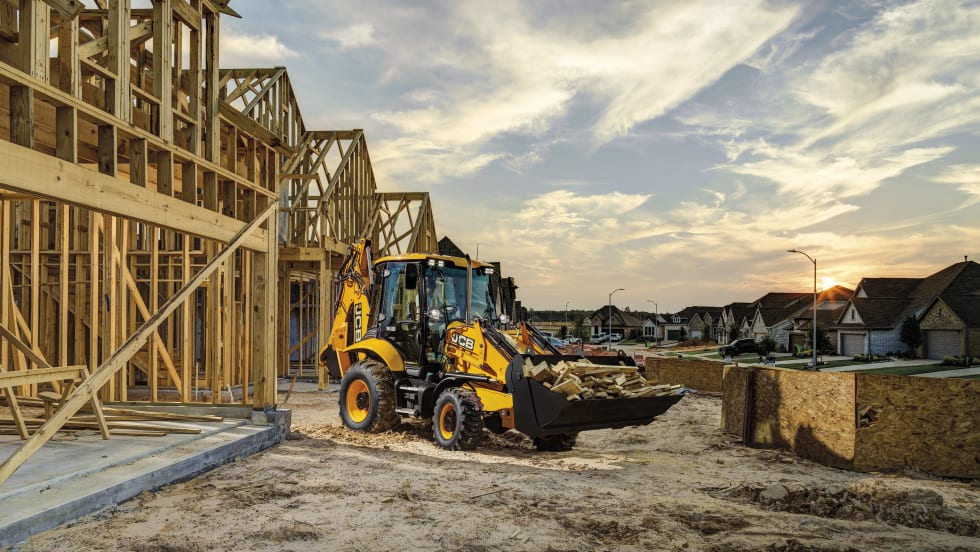
JCB Introduces Dual Drive System for Backhoe Loaders
Public works operators traditionally switch positions and controls each time they reposition a backhoe during excavation. JCB's new Dual Drive system is designed to allow operators to move the machine while remaining at the excavator controls.
Read More →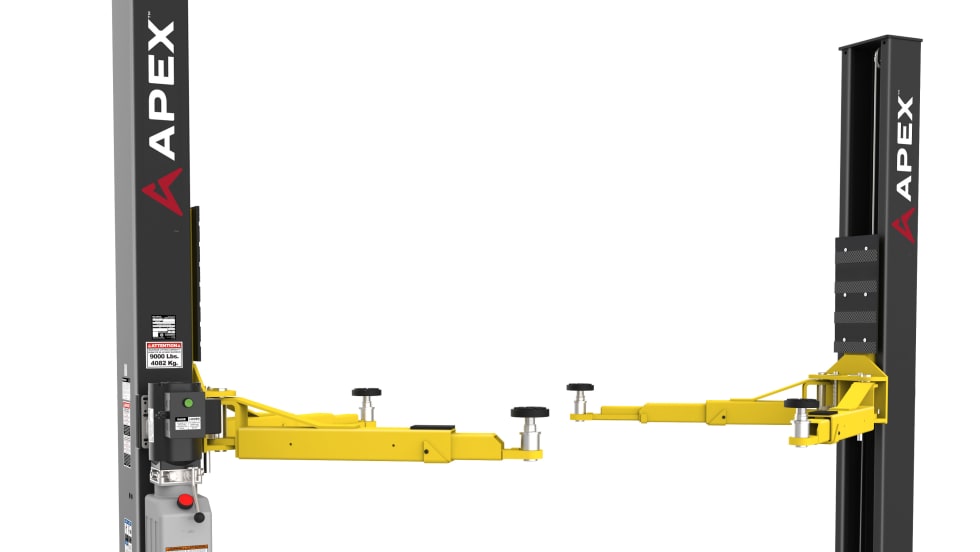
APEX by BendPak Launches AL9LC Two-Post Lift
The new low-ceiling floorplate car lift is designed to maximize overhead clearance for fleets.
Read More →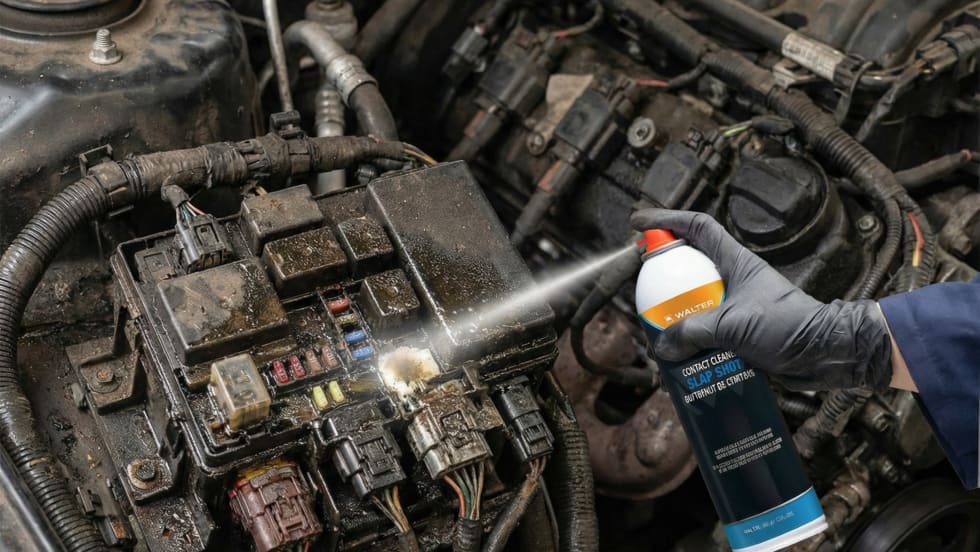
New Slap Shot Contact Cleaner: Heavy-Duty Cleaning Power Without the Residue
Slap Shot Contact Cleaner combines fast contaminant removal, rapid evaporation, moisture displacement, no-wipe cleaning, non-conductive performance, and residue-free cleaning into a single solution.
Read More →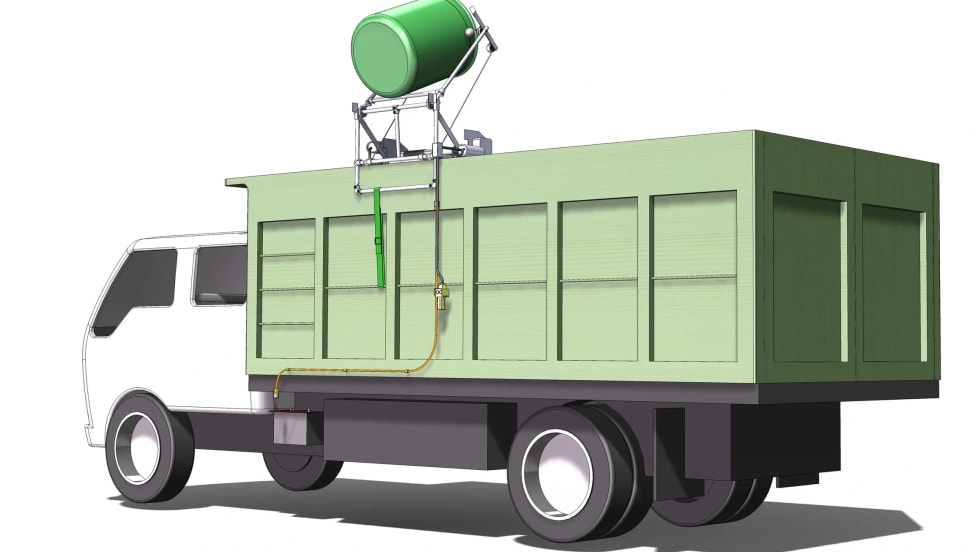
New Powered Carry Barrel Lift Helps Crews Dump Heavy Barrels Into Trucks With Less Manual Lifting
The Carry Barrel Lift is a new truck-mounted attachment designed to help landscape and municipal crews lift and dump heavy 60-gallon barrels more efficiently while reducing manual strain.
Read More →