





See how other cities are are going green with their refuse collection here.
Heil Introduces Electric Automated Sideload Body
The City of Ocala, Florida was the first municipality to add the new all-electric RevAMP side loader to its fleet.
October 24, 2022
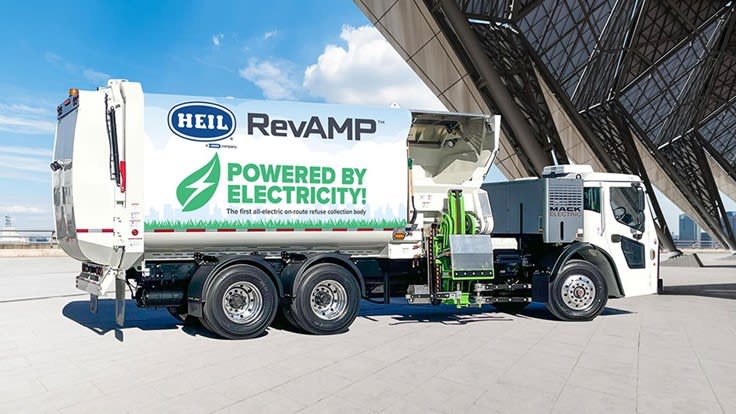
The RevAMP electric body has its own energy source and can be mounted on any chassis powered by electric, diesel, or CNG.
Photo: Environmental Services Group and Heil
2 min to read
Heil, a refuse truck body manufacturer, has introduced the RevAMP electric automated sideload body (eASL) for Refuse Collection Vehicles (RCV’s).
Part of Environmental Solutions Group (ESG) and Dover, Heil's RevAMP eASL is equipped with an electric lift arm and auger-style compactor, which is aimed at reducing the energy required for refuse collection operations, time spent at each collection stop, and noise levels from vehicle operation.
According to the manufacturer, this is the first RCV with independent onboard battery power and, when mounted on a diesel or CNG-powered chassis, the RevAMP can save up to 4,000 gallons of fuel per year, per truckt, by eliminating the power required from the drive unit’s engine.
The city of Ocala, Florida was the first municipality to add the new all-electric RevAMP side loader to its fleet.
John King, Fleet and Facilities Director for the city said, “A diesel RCV typically costs us about $175 per day in fuel, whereas the RevAMP mounted on an electric chassis will only cost $30 to accomplish the same job.” King concluded, “After an exhaustive comparison of all the electric refuse equipment currently on the market, the performance, fuel-cost savings, and meaningful environmental benefits of the Heil RevAMP made it the clear choice for us.”
A vehicle such as the new RevAMP purchased by Ocala, operating five days per week, is expected to deliver an annual fuel-cost savings of approximately $37,700 per year, per truck, according to Heil.
The RevAMP electric body has its own energy source and can be mounted on any chassis powered by electric, diesel, or CNG. When mounted on an electric chassis, the RevAMP’s self-contained battery is designed to eliminate additional drain on the chassis power system in order to extend the range of the vehicle. In addition, it can be integrated with the EV chassis’ battery to provide backup power to the body if needed.
ESG President Pat Carroll said, “By electrifying the body functions that would require diesel power from the drive unit of a typical RCV, we are able to reduce each vehicle’s greenhouse gas emissions by a massive 41 metric tons per year.” Carroll continued, “The RevAMP perfectly exemplifies ESG’s commitment to improving the lives of our customers and their communities by delivering improved performance, significant fuel cost savings, and most importantly, providing immediate and long-term environmental and sustainability benefits.”
The Heil RevAMP will also be featured at a public Virtual Trade Show live event on November 10, 2022.
More Green Fleet
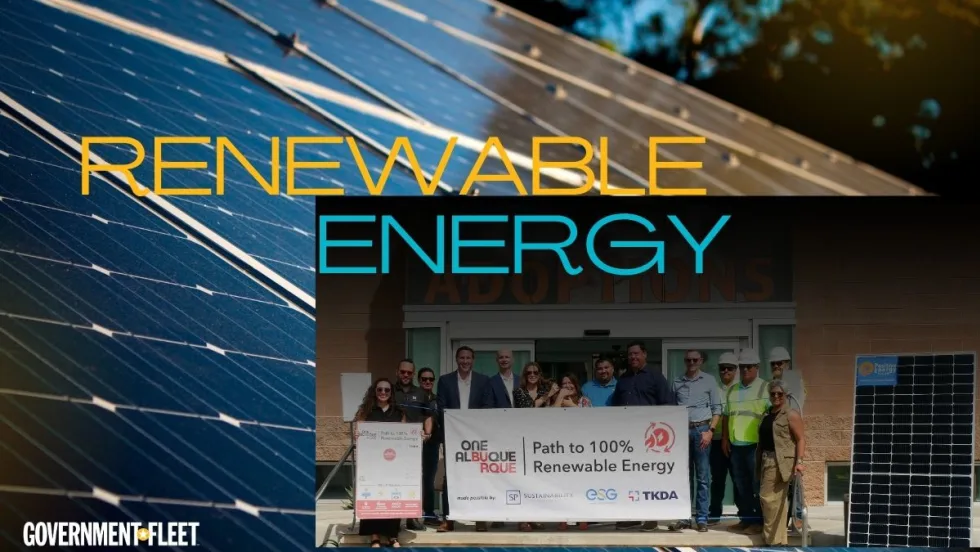
Sustainability Partners, Energy Systems Group Help Albuquerque Close the Gap on its 100% Renewable Energy Goal
The eight-site, 6 MW solar project has advanced the city toward 100% renewable energy for municipal operations.
Read More →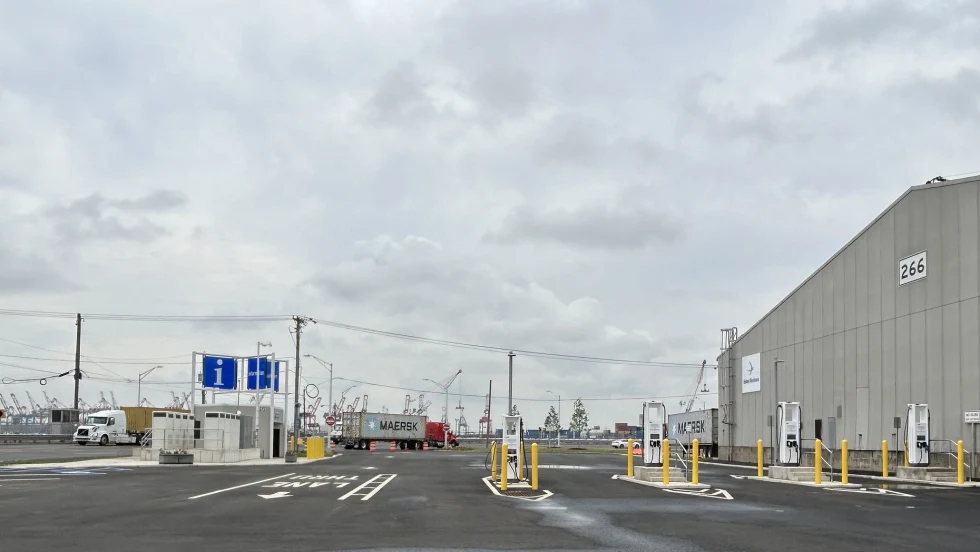
Port Authority and CALSTART Launch $45 Million Electric Truck and Charging Programs
The programs aim to boost sustainable operations across the East Coast's busiest seaport.
Read More →
Moving Government Fleets Beyond the Vehicle Purchase: EV as a Service
A discussion on how EVaaS is moving beyond pilot programs and what fleets should consider before beginning a larger deployment.
Read More →
Moving Government Fleets Beyond the Vehicle Purchase: EV as a Service
As fleets move beyond small EV pilots, Sustainability Partners CEO Adam Cain explains how EVaaS can address the infrastructure and long-term planning required for larger deployments.
Read More →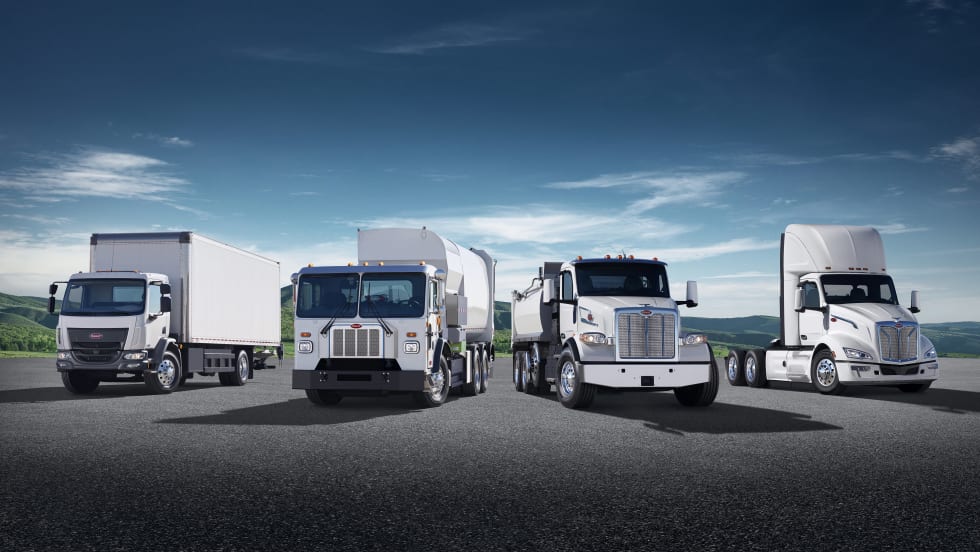
Peterbilt Expands Sourcewell Partnership with Electric Vehicle Lineup
The agreement aims to provide streamlined procurement of Peterbilt trucks for government, education, nonprofit and tribal organizations across the United States and Canada.
Read More →
EV Adoption & Charging Challenges
Where is your fleet in the journey of vehicle electrification? If you're still looking for answers to fleet electrification you've come to the right place.
Read More →
Hawaii Passes Clean Fuel Policy
Hawaii lawmakers passed clean fuel legislation that could support renewable natural gas production, biogas-powered transportation, and lower-carbon fueling options for public and commercial fleets.
Read More →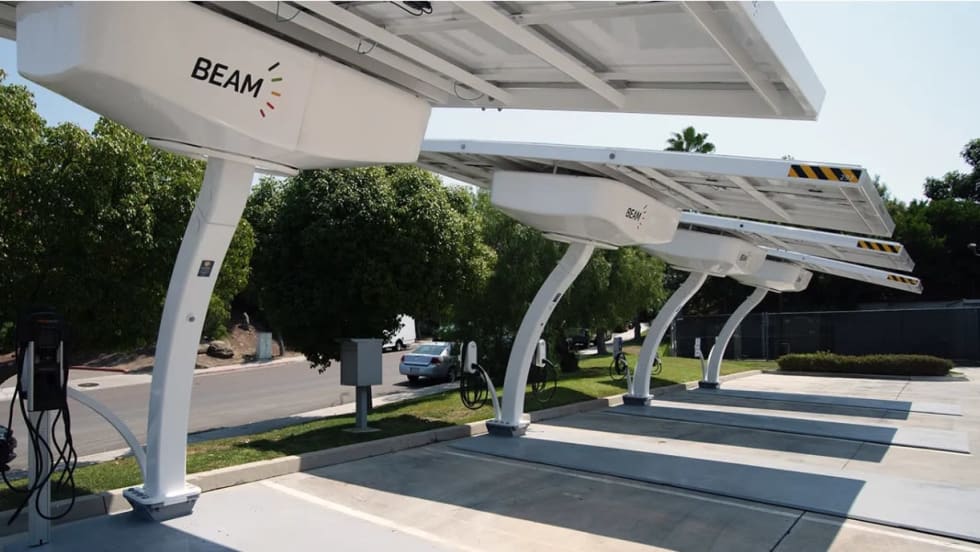
Stanislaus County Deploys Ten Beam Global EV ARC Systems to Support County Fleet Electrification
Stanislaus County deployed 10 off-grid solar-powered EV charging systems and a mobile charging trailer from Beam Global to support its electric fleet operations and emergency response flexibility.
Read More →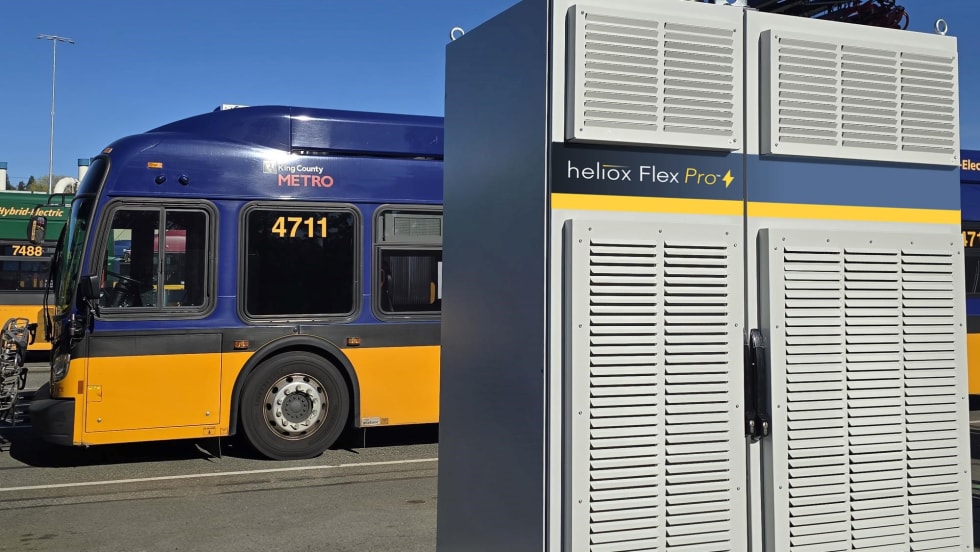
Heliox Pilots 480-kW Bus Charger with King County Metro
King County Metro is piloting Heliox’s new 480-kW Flex Pro charger to support expansion of its battery-electric bus fleet and depot charging infrastructure. The compact charging system supports pantograph and plug-in charging configurations for high-density transit operations.
Read More →