




Hawaiian Hydrogen Station Fueling Marine Corps SUVs
The Hawaii Natural Energy Institute has commissioned a fast-fill, high-pressure hydrogen fueling station at the Marine Corps base in Kaneohe Bay, Hawaii.
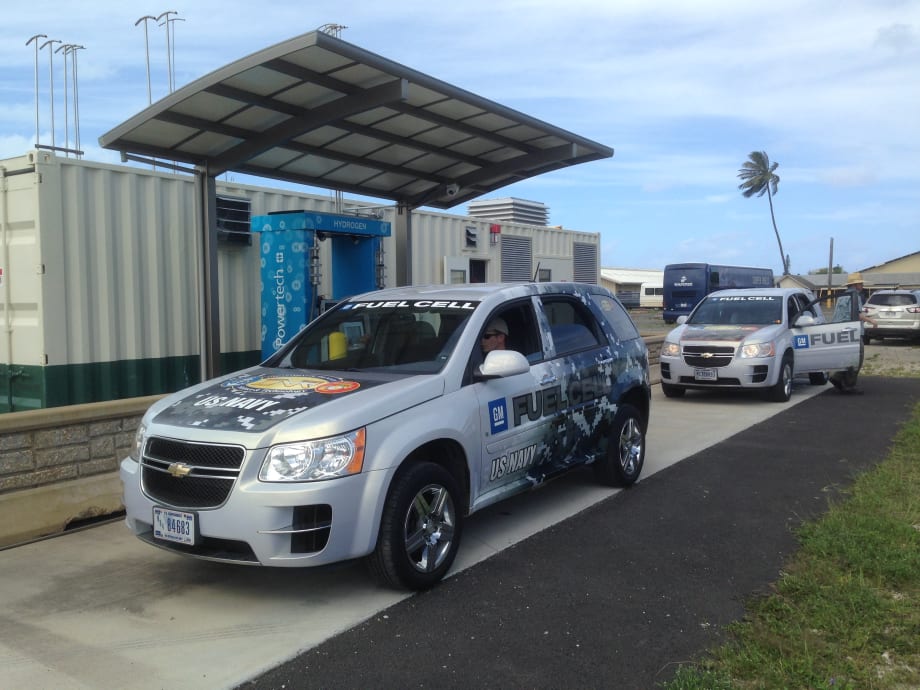
Photo courtesy of HNEI.
Photo courtesy of HNEI.
The Hawaii Natural Energy Institute has commissioned a fast-fill, high-pressure hydrogen fueling station at the Marine Corps base in Kaneohe Bay, Hawaii.
The station was developed to support a fleet of Chevrolet Equinox fuel cell SUVs leased by the Office of Naval Research for use by Marine Corps and Navy personnel on Oahu, according to the institute.
Operational since November 2014, the station was recently certified for unattended operation, allowing drivers to self-fill their cars just as they would do at any gasoline fueling station. Unattended operation is designed serve as a model for the installation of private stations throughout the state.
The cost of hydrogen at the nozzle is a major challenge for hydrogen production and dispensing stations. For this project, the institute is conducting research to assess the technical performance and economic value of an electrolyzer-based hydrogen production system in a 350/700 bar fast-fill (under 5 minutes) fueling station. The technical analysis will include component efficiencies under various operating scenarios and the long-term durability of major components.
Economic analysis is also being conducted to determine the daily operating cost of the station and the overall cost benefits of producing hydrogen. The dual fill pressure capability will allow this station to service light-duty vehicles that have largely been designed to use high pressure (700 bar) hydrogen storage, as well as larger fleet vehicles, such as buses, that are usually designed for lower pressure (350 bar), according to the institute.
“We have been really impressed with the fill speed and control algorithms of the hydrogen station,” said Chris Colquitt, General Motors’ Hawaii site leader. “It is exciting to experience consistent 4-minute 700 bar fills.”
The fast-fill hydrogen station is part of the Hawaii Hydrogen Power Park project established by the institute to support the U.S. Department of Energy’s Technology Validation Program. Funding support for the project has been provided by the DOE, the State of Hawaii, and the Office of Naval Research.
More Green Fleet
Sustainability Partners, Energy Systems Group Help Albuquerque Close the Gap on its 100% Renewable Energy Goal
The eight-site, 6 MW solar project has advanced the city toward 100% renewable energy for municipal operations.
Read More →
Port Authority and CALSTART Launch $45 Million Electric Truck and Charging Programs
The programs aim to boost sustainable operations across the East Coast's busiest seaport.
Read More →
Moving Government Fleets Beyond the Vehicle Purchase: EV as a Service
A discussion on how EVaaS is moving beyond pilot programs and what fleets should consider before beginning a larger deployment.
Read More →
Moving Government Fleets Beyond the Vehicle Purchase: EV as a Service
As fleets move beyond small EV pilots, Sustainability Partners CEO Adam Cain explains how EVaaS can address the infrastructure and long-term planning required for larger deployments.
Read More →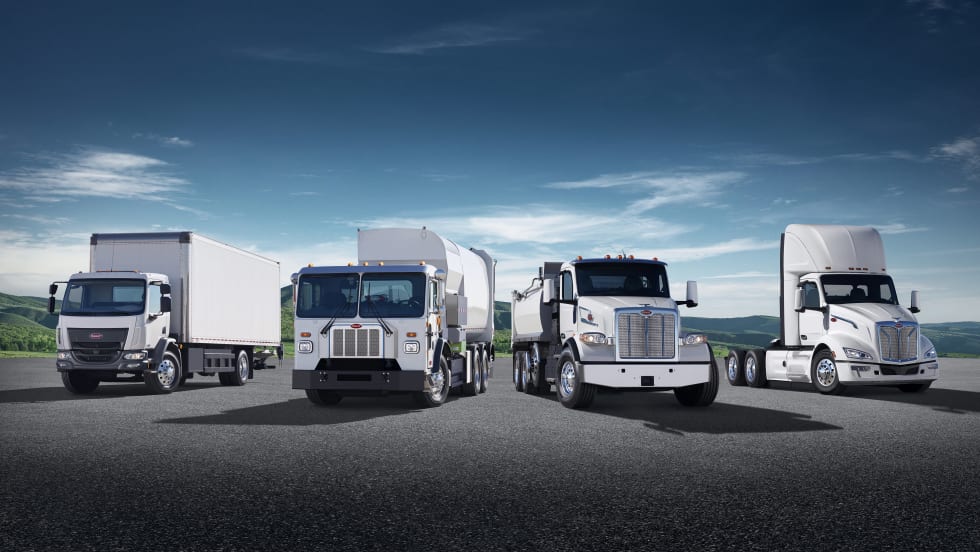
Peterbilt Expands Sourcewell Partnership with Electric Vehicle Lineup
The agreement aims to provide streamlined procurement of Peterbilt trucks for government, education, nonprofit and tribal organizations across the United States and Canada.
Read More →

EV Adoption & Charging Challenges
Where is your fleet in the journey of vehicle electrification? If you're still looking for answers to fleet electrification you've come to the right place.
Read More →
Hawaii Passes Clean Fuel Policy
Hawaii lawmakers passed clean fuel legislation that could support renewable natural gas production, biogas-powered transportation, and lower-carbon fueling options for public and commercial fleets.
Read More →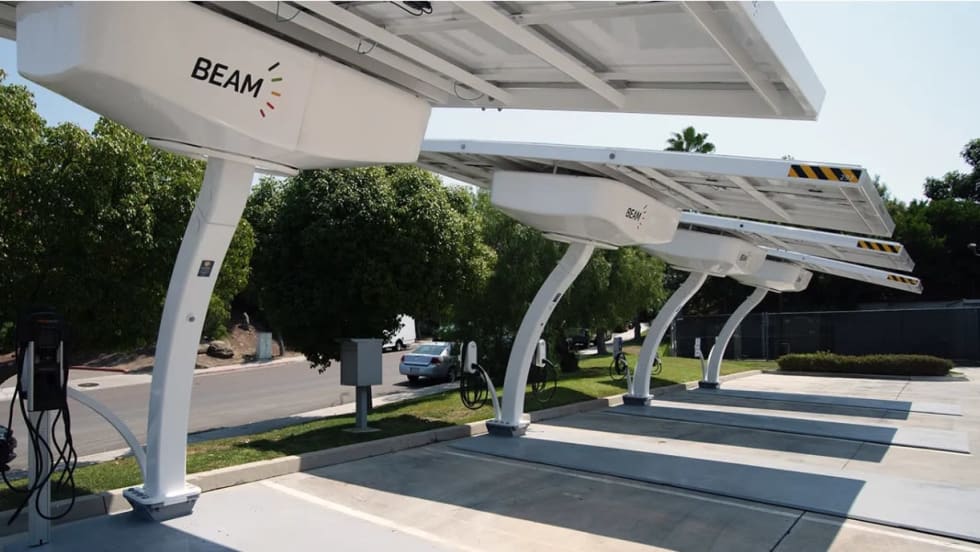
Stanislaus County Deploys Ten Beam Global EV ARC Systems to Support County Fleet Electrification
Stanislaus County deployed 10 off-grid solar-powered EV charging systems and a mobile charging trailer from Beam Global to support its electric fleet operations and emergency response flexibility.
Read More →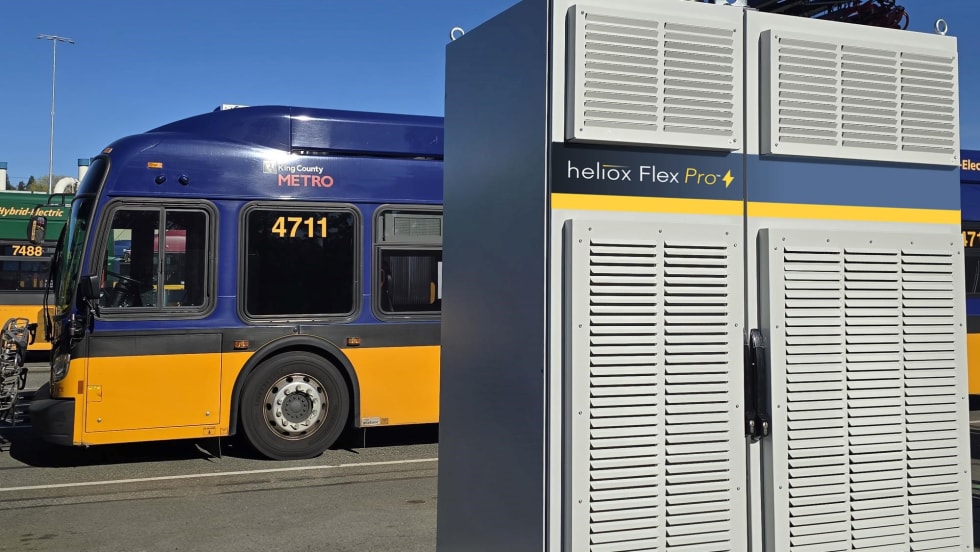
Heliox Pilots 480-kW Bus Charger with King County Metro
King County Metro is piloting Heliox’s new 480-kW Flex Pro charger to support expansion of its battery-electric bus fleet and depot charging infrastructure. The compact charging system supports pantograph and plug-in charging configurations for high-density transit operations.
Read More →