




GPS Tracks Police Officers in Charleston, WV
CHARLESTON, WV – Charleston police officers can now spot where other department vehicles are located as a result of Automatic Vehicle Location (AVL) devices being installed in many of the department's vehicles.
CHARLESTON, WV – Charleston police officers can now spot where other department vehicles are located as a result of Automatic Vehicle Location (AVL) devices being installed in many of the department’s vehicles, according to the Charleston Gazette newspaper. The devices use global-positioning technology to update the location of officers’ vehicles every five seconds. They also allow administrators and Metro 911 dispatchers to track officers’ locations and speed from headquarters or the dispatching center. The AVL modems and hockey-puck-sized, black antennas have been installed in 30 patrol cars, two K-9 units, and a traffic division car. The AVLs integrate with the computers in officers’ vehicles, known as Mobile Data Terminals. Officers can get directions to a call or locate an officer who needs help. Metro 911’s dispatchers can now spot Charleston officers on a large TV screen that displays a map of the city. Proposed benefits of the system include quicker response times, lower vehicle maintenance costs, better fuel efficiency, and fewer accidents. The system, which cost about $46,000, was paid for through a 2003 Local Law Enforcement Block Grant, according to the report.
More Operations
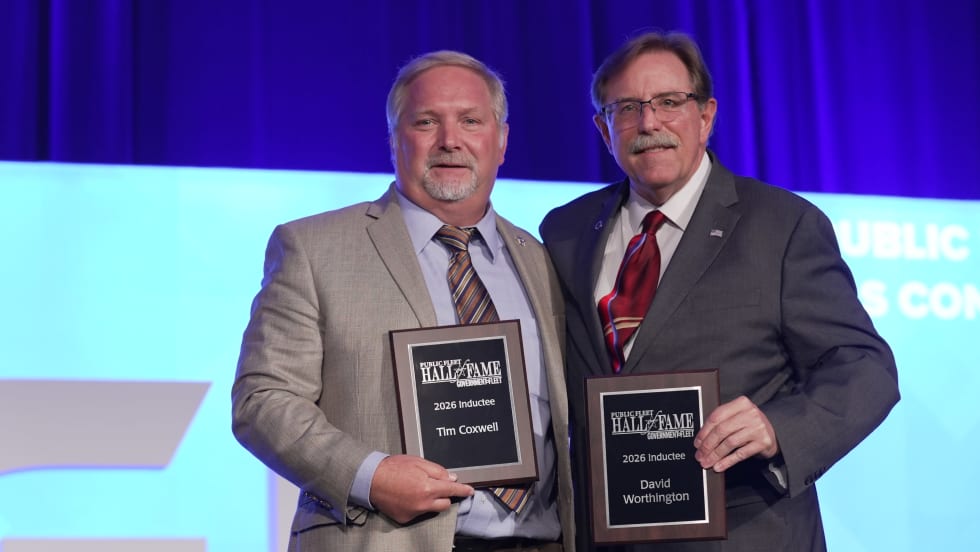
2026 Public Fleet Hall of Fame Inductees Honored
Honorees are recognized industry leaders and pioneers who have significantly contributed to the public fleet profession.
Read More →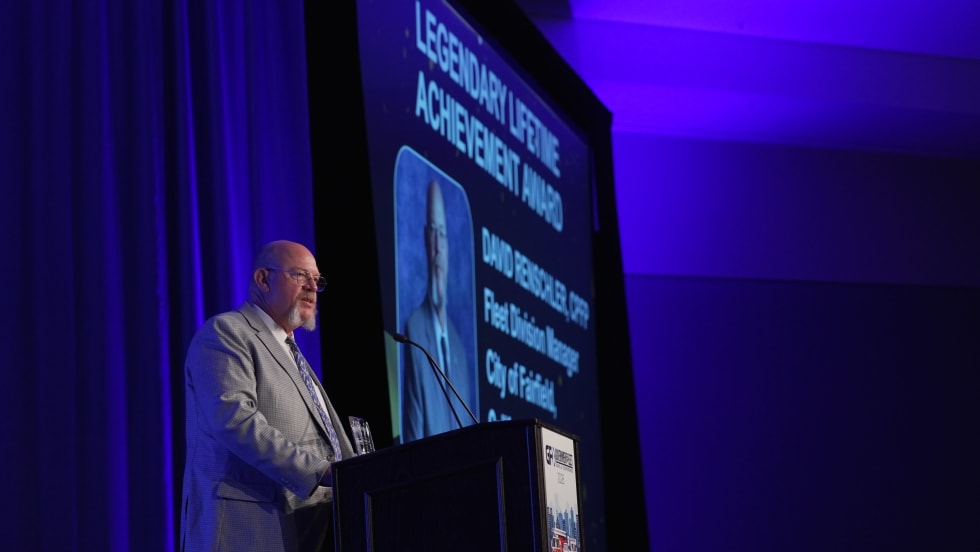
David Renschler Receives 2026 Legendary Lifetime Achievement Award
Andy Campbell of Sourcewell, which partnered with Government Fleet in presenting the award, recognized Renschler.
Read More →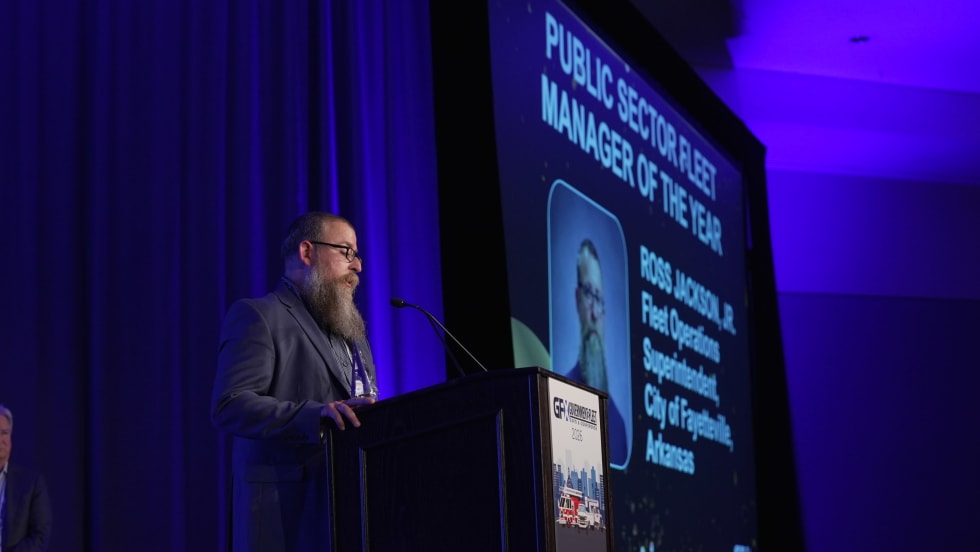
Ross Jackson Jr. Named 2026 Public Sector Fleet Manager of the Year
Ross Jackson Jr. is the Fleet Operations Superintendent with the City of Fayetteville, Arkansas.
Read More →
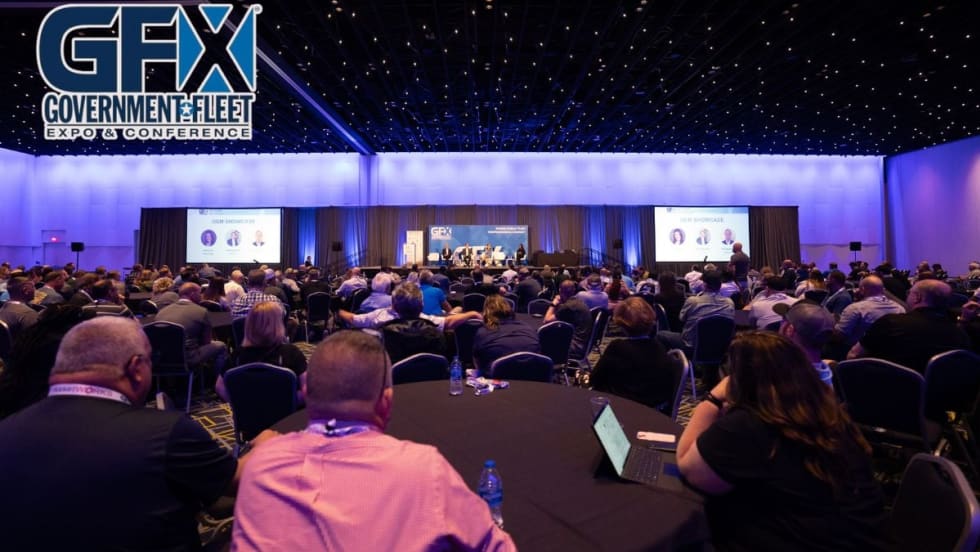
Public Fleet Professionals Set to Converge as GFX Gets Underway
Known as the largest gathering of public fleet professionals in the nation, GFX will feature in-depth training sessions, emerging fleet technologies, and access to leading suppliers and service providers.
Read More →
The Technician Pipeline: Finding, Keeping, and Promoting Techs Within the Operation
A look at where to find good talent, what fleets are doing to incentivize those techs to stay within the fleet, and what promotion looks like for a technician within the public sector.
Read More →
5 Public Fleet Stories Worth Revisiting Before GFX | The May Dispatch
Public fleet leaders are being asked to prepare for more, communicate better, and make decisions that hold up under pressure.
Read More →
Drive More Profit with Greater Fleet Uptime
Fleet downtime costs money. JASPER helps keep vehicles on the road with quality remanufactured components, fast nationwide delivery, and reliable solutions that boost uptime and profitability.
Read More →
Are You Tracking Your Fleet's True Total Cost of Ownership?
Bobit Business Media surveyed 190 fleet professionals and found that while most fleets are tracking costs, fragmented systems and data gaps are keeping true TCO visibility out of reach. With rising pressure to control spend in an increasingly volatile environment, the gap between what fleets think they know and what the data actually shows is wider than you might expect. See how your peers are managing costs today and where the industry still has room to improve.
Read More →
Minneapolis Fire Department Prepares to Add Three New Pierce Enforcer Pumpers to Front-Line Fleet
The order, secured through Pierce dealer MacQueen, marks the department’s move from commercial chassis pumpers to Pierce custom fire apparatus designed to meet the operational demands of Minnesota’s largest city.
Read More →
The Human Side of Fleet Leadership: Lessons from Larry Campbell
As public fleets navigate rapid change through AI, telematics, and increasing operational pressures, Larry Campbell believes the fundamentals of leadership matter more than ever. The longtime fleet leader reflects on accountability, integrity, and why earning trust remains the foundation of a successful fleet operation.
Read More →