




Governments Wonder Whether Hybrid Cars Are Worth It
PHILADELPHIA – The city of Philadelphia recently purchased 20 hybrid Ford Escapes to add to the six Toyota Priuses already in its 6,000-vehicle fleet in an effort to improved air quality.
PHILADELPHIA – The city of Philadelphia recently purchased 20 hybrid Ford Escapes to add to the six Toyota Priuses already in its 6,000-vehicle fleet in an effort to improved air quality, according to the Associated Press. However, according to James Muller, Philadelphia’s fleet manager, the city is paying more in initial costs of the hybrids. “That’s what we’re finding with the initial cost ... it doesn’t wash out,” said Muller as quotes in the Associated Press article. “You’re actually paying more money.” Officials in Ann Arbor, Mich., decided not to add hybrids to their fleet after determining the costs would outweigh the benefits. And while some fleets are deciding not to take the initial cost hit of hybrids, the Associate Press article detailed many city fleets that are implementing the hybrids and are willing to wait to absorb the upfront cost increase:
In New York, hybrids were added to the fleet after a city mandate required the purchase of the cleanest vehicle available.
Oregon’s Department of Administration Services has 3,000 vehicles — 123 of them hybrids.
Manufacturers do say that hybrid prices will decrease as more are manufactured, and government incentives, tax credits, and increasing the overall production of vehicles and parts will help offset the cost.
More Operations

How St. Johns County Turned Fleet Data Into Better Replacement Decisions
St. Johns County, Florida, had fleet data, but turning it into reliable decision guidance was another matter. Instead of starting over with a new fleet management system, the county connected existing tools and built a scoring system that gives managers an objective look at fleet health.
Read More →
Fleet Forward Conference Introduces One-Day Passes for 2026
New one-day registration lets fleet professionals attend Tuesday, Wednesday, or Thursday, with passes available for $249.
Read More →
ENC Unveils its ZAVIR Medium-Duty Shuttle
Two variants of the concept shuttles were revealed: a low-floor configuration and a high-floor configuration.
Read More →
Could Your Next Fleet Technician Start as an Intern?
What if your next technician hasn’t worked in a fleet shop yet? What fleets are doing to free up time.
Read More →
How Phoenix Is Building Its Next Generation of Fleet Technicians
With more than 8,000 vehicles and pieces of equipment to maintain, the City of Phoenix could not afford to wait for fully trained technicians to walk through the door. Instead, they revamped their entire workforce strategy and showed how public fleets can create their own talent pipeline while preparing existing employees for increasingly complex vehicles.
Read More →
What’s Slowing Your Fleet Down?
Could a change in how work gets done help your fleet return vehicles to service sooner?
Read More →
Can Public Fleets Trust the Data Driving Their Decisions?
Public fleets have more data than ever, but inconsistent records and missing information can still undermine maintenance, replacement, and cost decisions.
Read More →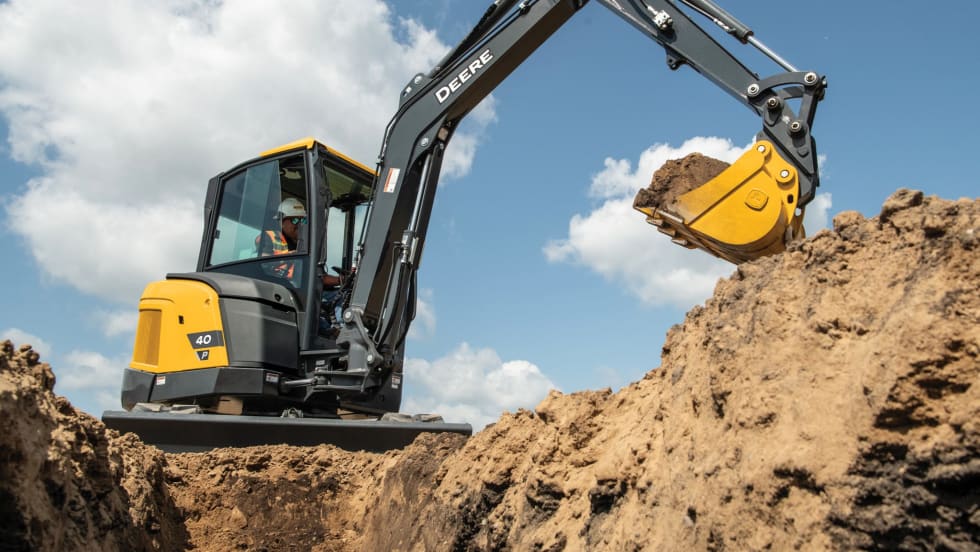
John Deere Introduces 40 P-Tier Compact Excavator
John Deere is adding a compact excavator designed for crews that need to move equipment between jobsites and handle multiple types of work with one machine. The 40 P-Tier weighs less than 10,000 pounds and offers configurable hydraulics, attachment options, and connected fleet-management capabilities.
Read More →
How Leading Fleets Improve and Why Business Plans Matter
This week, we look at what past Leading Fleet winners can teach us about making progress, plus how to build a business plan your fleet will actually use.
Read More →
Nominate a Fleet Leader for the 2027 Public Fleet Hall of Fame
Do you know a fleet leader who has made a lasting impact on the industry? Nominate this fleet professional for the 2027 Public Fleet Hall of Fame.
Read More →