




Gov. Bush: No gas rationing in Florida
WINTER HAVEN, FL — Florida’s fuel shortages during the recent hurricanes were the result of increased demand and interruptions in delivery, not gas rationing, Gov. Jeb Bush’s office told the Tallahassee Democrat.
WINTER HAVEN, FL — Florida’s fuel shortages during the recent hurricanes were the result of increased demand and interruptions in delivery, not gas rationing, Gov. Jeb Bush’s office told the Tallahassee Democrat. More than 160 million gallons of gasoline and diesel fuel were at Florida's ports for distribution throughout the state a few days before Hurricane Ivan hit. Jim Smith, president and CEO of Florida Petroleum Marketers and Convenience Store Association, told the Tallahassee Democrat that the gas demand was “in good shape until everyone panicked.” Smith said there are 1,200 trucks running gasoline to Florida stations. Each truck holds 8,000 gallons of gas and can reload three times a day, for a total of more than 27 million gallons a day. He added that the trucks supplied four times the normal demand leading up to Ivan. Fuel delivery is expected to return to normal levels by today.
More Operations
Is Delaying Fleet Replacement Really Saving Money?
Could delaying replacement cost your fleet more than it saves? This week’s recap takes a closer look, plus an update on GFX 2027.
Read More →
What Government Fleets Are Missing About Their True Costs
What are fleet budgets missing, and how can agencies use the data they already collect to make a stronger case for change?
Read More →
Rethinking Fleet Decisions From the Budget Office to the Shop
This October we looked back at how public fleets are reconsidering familiar processes and using what they learn to make better decisions.
Read More →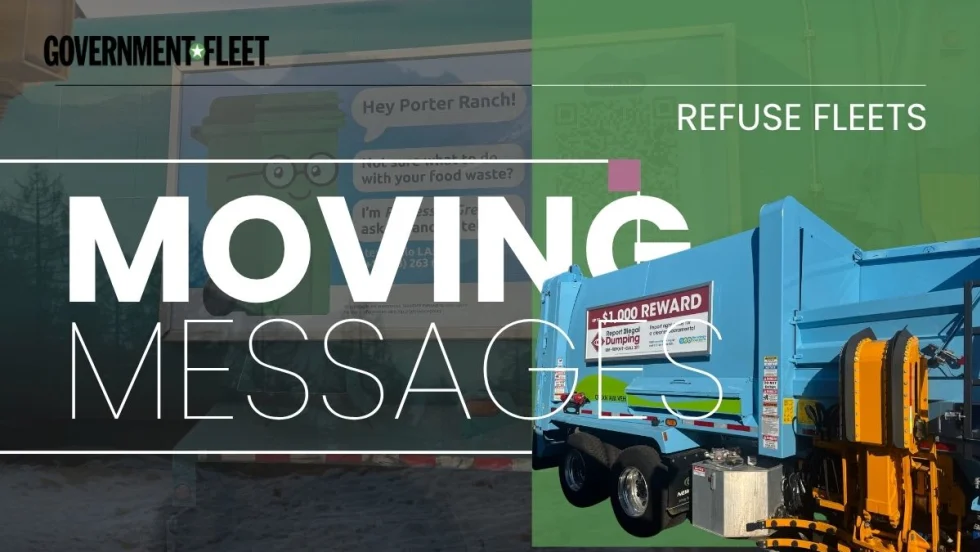
Who Owns the Message on a Refuse Truck?
Refuse trucks can carry public messages into neighborhoods, but keeping those messages current takes planning and clear responsibility.
Read More →
Who Deserves Fleet Recognition and What Could You Teach at GFX?
Who helped shape your fleet career, and what have you learned that could help someone else?
Read More →
What’s Haunting Public Sector Fleets?
Public sector fleet challenges rarely happen in isolation, and addressing one often means understanding how it connects to another.
Read More →
Is Keeping Older Fleet Vehicles Really Saving Money?
Is keeping vehicles longer saving money, and what happens when a diagnostic test points to the wrong fix?
Read More →
How Smart Fleet Strategy Can Help Local Government Agencies Do More with Less
Keeping a vehicle longer may ease this year’s budget, but what does it cost the next one? A closer look at fleet decisions can reveal opportunities to reduce spending while protecting essential services.
Read More →
Connect with Government Fleet on LinkedIn
From industry news and fleet management strategies to conversations with peers, Government Fleet's LinkedIn page offers public-sector fleet professionals another way to stay informed and connected.
Read More →
Town of Queen Creek Named Most Successful Fleet Award Winner of Inaugural RTA Fleet Success Awards
Five fleets were honored at RTA Connect 2026 in Chicago for excellence across resource efficiency, intentional culture, risk management, and stakeholder satisfaction.
Read More →