





Mahanth Joishy will present the opening keynote address at the Government Fleet Expo & Conference (GFX) in New Orleans, June 17-20. His presentation, “Bringing Big-City Ideas to a New Fleet” will teach attendees how to take major initiatives and turn them into manageable changes for your agency.
GFX Keynoter: How Retirements Can Benefit Your Fleet Operation
Mahanth Joishy, fleet superintendent for the City of Madison, Wis., and this year's GFX keynote speaker, explains why losing 250 combined years of fleet experience from staff retirements was not a detriment to his fleet operation.
May 3, 2019
4 min to read

Joishy
If anyone fell into the fleet industry, it’s Mahanth Joishy. The son of a doctor, whose parents pressured him to be a doctor, who studied foreign policy, he didn’t expect to have spent nearly two decades in the fleet industry — or in local government. Yet Joishy is now leading the fleet at the City of Madison, Wis., after spending 16 years working at the New York City fleet.
How did Joishy, whose Georgetown friends mostly ended up in finance jobs in New York, come to join this industry — and stay there? And as more Baby Boomers retire, how can the industry recruit replacements?
How He Started & Why He Stayed
New York City Parks had a recruiting event at his university, and Joishy’s interest in government and the environment prompted him to apply. He landed a job in operations, which oversees the fleet.
One of the most important things Joishy learned at New York City he learned a month after joining, when the 9/11 terrorist attacks happened.
“I learned early on how serious what we did was,” he said. “Life or death. I saw how much emergency management is equipment-dependent, whether the resources were public or private. 9/11 response was dependent on fuel, on vehicles getting down there for search and rescue, and also to do demolition work over the next several months. I learned that proper fleet inspections and maintenance could prevent vehicle collisions and downtime at times when availability matters. I saw how our work had an effect on so many different things. Every aspect of government operations are so equipment-dependent.”
This is one of the reasons he decided to stay at his job. And in comparing his position to those of his friends in finance, he thought he had the better job — despite the significantly lower pay.
“I felt from that time and ever since that what I was doing was more interesting than what they did, more important than moving money around from one rich hand to the other, and it appealed to me more,” he explained. “Today due to automation many of those jobs have disappeared, whereas ours are still in high demand and will continue to be.”
New Employees Bring New Skill Sets
When he moved to Madison in 2017 to become the fleet superintendent, he was 37 and overseeing a team of about 40 members. Nearly all were much older than he was, and some have since retired — some because it was time and others because they didn’t like the changes he was enacting. Joishy estimated that he lost 250 combined years of experience since he arrived nearly two years ago.
He doesn’t see this as a detriment. He had talented employees to promote and he hired outstanding new employees from the outside who had different strengths — and significant experience at auto dealerships.
“We’re in a very fast-developing industry. Every day there is a lot of new technology coming out that we have to keep up with,” he said. “I feel like we’ve expanded our skill set with the new team.”
And, he added, these employees aren’t as set in their ways and are more open to making changes.
On Recruiting
To train the next generation of technicians, the city started an apprenticeship program last year. Four high-school students work part-time in the shop, and seven total have joined since 2018.
And when it comes to hiring, the fleet operation’s policy is not just to post the position, but also to ask around, encouraging employees to inform their peers at automotive organizations and reaching out to the local technical college program.
“We are also by far the largest fleet in the area, and I consider us to be the elite one to work at as well,” Joishy said. “So we get tons of interested applicants for every level of vacancy.”
But recalling Joishy’s parents’ and friends’ initial questioning about government jobs and his own lack of knowledge about what he was getting into when he joined fleet, recruitment may depend, in large part, to expanding the public’s knowledge about the fleet industry.
“To this day, when I say I work in fleet management, most people don’t know what that means. Once you explain it, that you work for the city government, that you’re procuring and maintaining all kinds of equipment that people recognize and need, like police cars and fire trucks and ambulances, sewer trucks, dump trucks — once you bring that up, people think it’s mighty interesting,” Joishy said.
More Operations
How Oil Analysis, Safety Technology, and Fleet Awards Drive Improvement
What happens when fleets let measured results guide their next decision?
Read More →
Emergency Response, Fleet Sales and New Technology
This week’s fleet news covers emergency preparedness, shifting vehicle sales, electric truck investments, and new tools for monitoring road conditions.
Read More →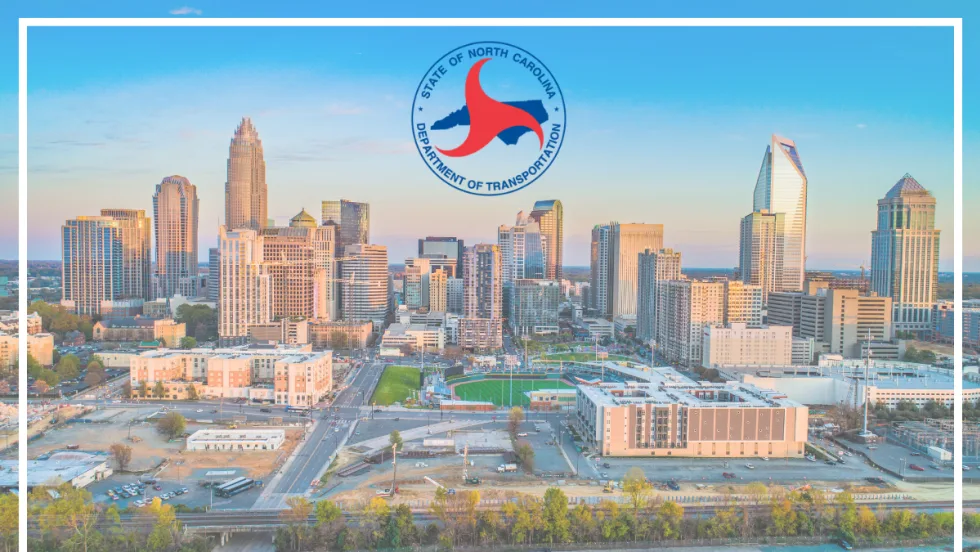
NCDOT Adds Dash Cam Imagery to Statewide Traffic Monitoring
North Carolina transportation officials are adding another set of eyes to roads that aren't covered by fixed traffic cameras. A statewide deployment gives NCDOT access to on-vehicle imagery to verify conditions during work zones, severe weather, emergencies, and other traffic events.
Read More →
Turning a Bottleneck Into a Blueprint: How Tallahassee Rethought Police Fleet Readiness
For Tallahassee, finally receiving 87 delayed police cruisers created a new problem: how to get them on the road without creating a massive backlog. The solution would change more than the upfit process.
Read More →
AI, Police Fleet Readiness and Fire Apparatus News
See how AI, a reworked police-vehicle upfitting process, and a fire apparatus acquisition could affect public fleet operations.
Read More →
How AI and Automation Work Together to Reduce Government Fleet Downtime
As their assets age and their budgets’ purchasing power shrinks, government fleet managers are facing growing pressure to do more with less.
Read More →
Police Fleet Innovation, EV Strategy and AI
See how public fleets are rethinking police vehicle readiness, electrification, workplace culture, and driver workflows.
Read More →
From What He Inherited to What He’ll Leave Behind: David Renschler’s Lessons in Leadership
David Renschler walked into Fairfield with plenty to learn and no idea what awaited him. Twenty years later, the lessons from what came next are still shaping his approach to fleet.
Read More →
Have Fleets Changed Enough to Solve the Technician Shortage?
Are government fleets finally closing the gap on the technician shortage, or are critical challenges still holding them back?
Read More →
How Public Fleets Are Rethinking Vehicles, EVs, and Culture
From mission-specific vehicles to EV planning and culture change, this week’s stories show how public fleets are rethinking the way they operate.
Read More →