




GFX Exclusive: All About Electrified Trucks & EV Implementation
Michael Terreri, fleet projects manager from the Center for Sustainable Energy, will moderate a session titled, “Electrification the Easy Way: New EVs, Upfits, and Deployment Best Practices” at the Government Fleet Expo & Conference.

Michael Terreri

Michael Terreri
As more electrified vehicles become available, and more government fleets adopt electric vehicles (EVs), there are an increasing number of questions about adoption and what fleets should expect. Michael Terreri, fleet projects manager from the Center for Sustainable Energy, will moderate a panel titled, “Electrification the Easy Way: New EVs, Upfits, and Deployment Best Practices” at the Government Fleet Expo & Conference (GFX), which takes place June 4-7 in San Diego, Calif.
Terreri helps fleets successfully deploy clean transportation technologies, directing a portfolio of fleet incentives, technical assistance, and continuing education projects. We talked to Terreri about the future of fleet electrification.
Q: Give us an overview of electric vehicle (EV) adoption among government fleets and how you expect this will play out in the next five years.
A: Through programs like California’s Clean Vehicle Rebate Project, we’re seeing fleets recommit year after year to adding EVs. Although some fleets have operated EVs for years, most have yet to field their first EV. That means questions about how to bring EVs into a fleet successfully are only going to become more common.
Q: What are some of the biggest challenges to EV adoption among government agencies?
A: The biggest challenge is implementing a successful approach. Fleets that approach electrification from a project management perspective experience challenges. With project management you monitor and manage a process. When complete, you move on. Fleet electrification is change management. It is like a safety program. Like a safety program, it requires continuous improvement, buy-in, and reinforcement.
The other issue is that almost no fleets have goals to measure the success of their EV program besides number of vehicles purchased. The success of an EV project should be measured in electric vehicle miles traveled (eVMT). Fleets can benchmark their performance against peers and use low eVMT numbers to identify problems with driver training, inadequate charging, or a potential rightsizing opportunity.
Q: What should we know about electrified trucks and heavier vehicles?
A: Electric vehicle offerings are expanding. Fleets nationwide should be monitoring the development of the technology and planning ahead when opening new facilities. Adding conduit beneath new parking lots and extra capacity to new electrical panels is a good preparatory measure.
Q: Do you have any advice for public fleets looking to go green? What’s a good first step?
A: Measure twice and cut once by seeking out peer-based learning opportunities such as GFX before implementing any kind of green initiative. Peer-based learning opportunities can show how to successfully bring new technologies into the organization.
Catch Terreri in conversation with XL Hybrids, Workhorse, and a public fleet that has deployed EVs at GFX, which takes place June 4-7, 2018 in San Diego, Calif. "Electrification the Easy Way: New EVs, Upfits, and Deployment Best Practices" takes place Tuesday, June 5 at 3:05 p.m. Learn more about GFX and check out the schedule here.
More Green Fleet
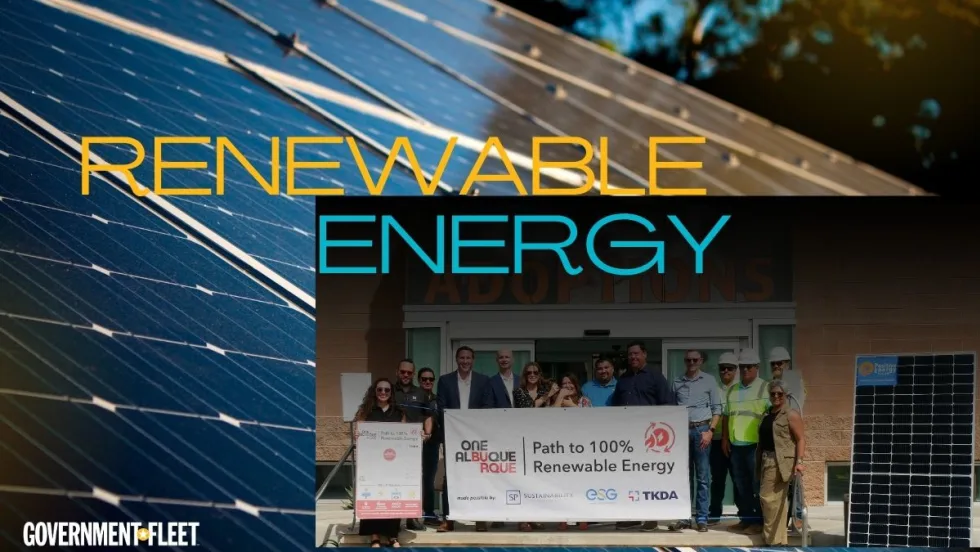
Sustainability Partners, Energy Systems Group Help Albuquerque Close the Gap on its 100% Renewable Energy Goal
The eight-site, 6 MW solar project has advanced the city toward 100% renewable energy for municipal operations.
Read More →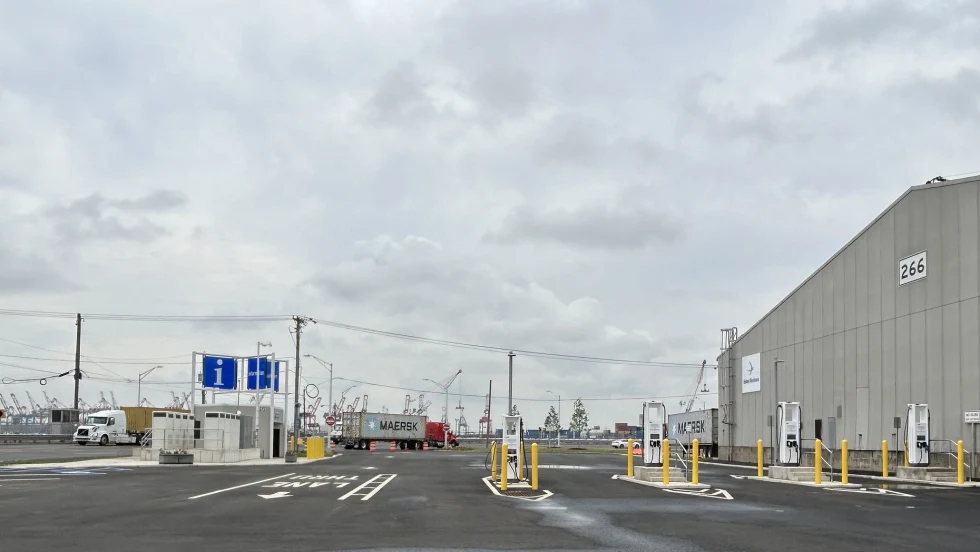
Port Authority and CALSTART Launch $45 Million Electric Truck and Charging Programs
The programs aim to boost sustainable operations across the East Coast's busiest seaport.
Read More →
Moving Government Fleets Beyond the Vehicle Purchase: EV as a Service
A discussion on how EVaaS is moving beyond pilot programs and what fleets should consider before beginning a larger deployment.
Read More →
Moving Government Fleets Beyond the Vehicle Purchase: EV as a Service
As fleets move beyond small EV pilots, Sustainability Partners CEO Adam Cain explains how EVaaS can address the infrastructure and long-term planning required for larger deployments.
Read More →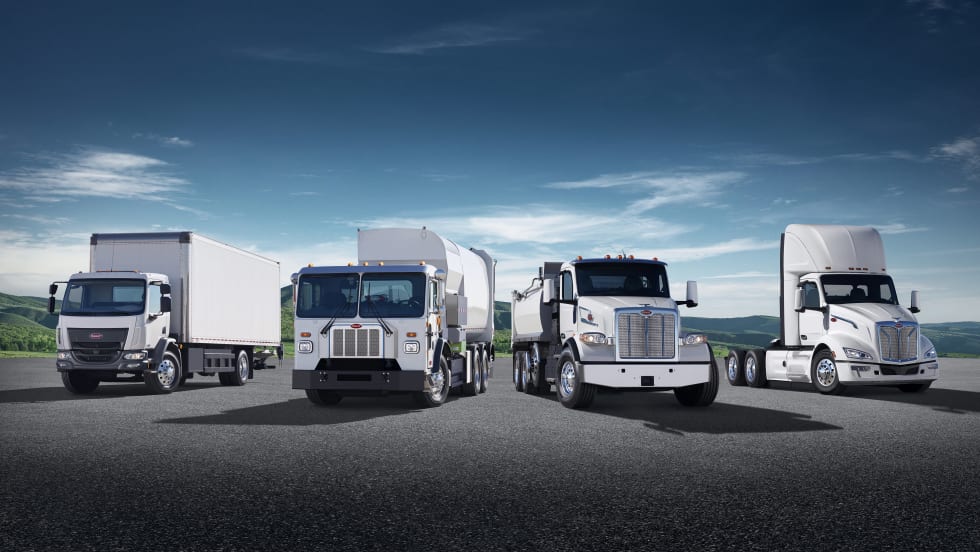
Peterbilt Expands Sourcewell Partnership with Electric Vehicle Lineup
The agreement aims to provide streamlined procurement of Peterbilt trucks for government, education, nonprofit and tribal organizations across the United States and Canada.
Read More →
EV Adoption & Charging Challenges
Where is your fleet in the journey of vehicle electrification? If you're still looking for answers to fleet electrification you've come to the right place.
Read More →
Hawaii Passes Clean Fuel Policy
Hawaii lawmakers passed clean fuel legislation that could support renewable natural gas production, biogas-powered transportation, and lower-carbon fueling options for public and commercial fleets.
Read More →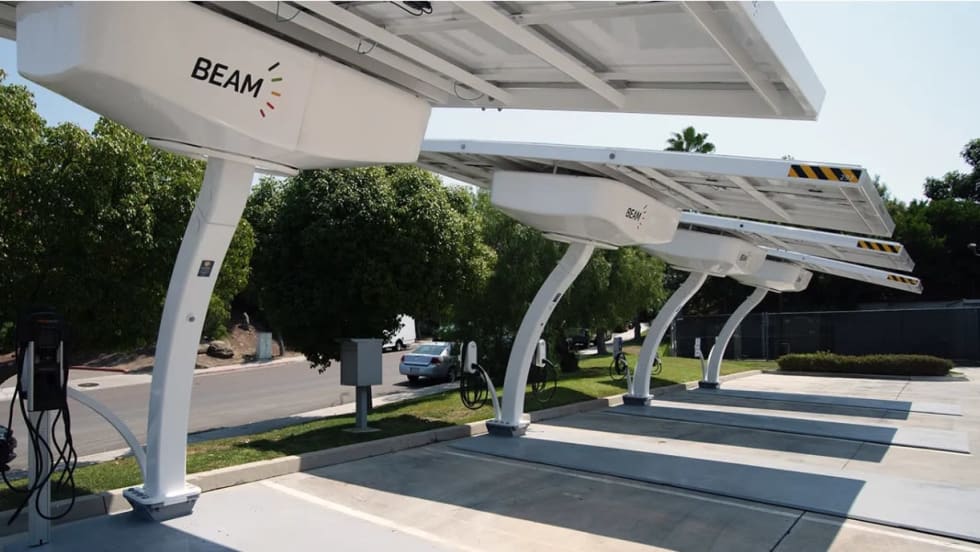
Stanislaus County Deploys Ten Beam Global EV ARC Systems to Support County Fleet Electrification
Stanislaus County deployed 10 off-grid solar-powered EV charging systems and a mobile charging trailer from Beam Global to support its electric fleet operations and emergency response flexibility.
Read More →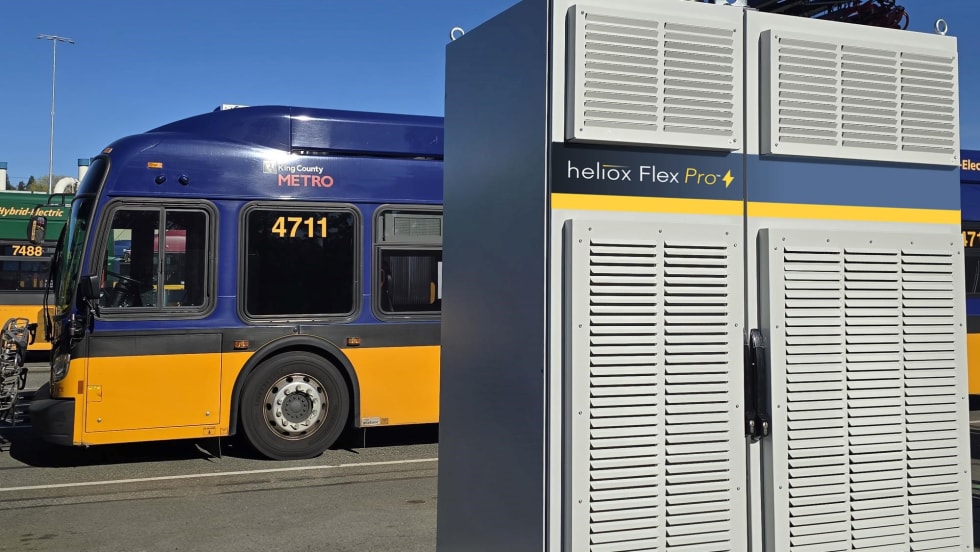
Heliox Pilots 480-kW Bus Charger with King County Metro
King County Metro is piloting Heliox’s new 480-kW Flex Pro charger to support expansion of its battery-electric bus fleet and depot charging infrastructure. The compact charging system supports pantograph and plug-in charging configurations for high-density transit operations.
Read More →