





Related: Georgia City Buying Natural Gas Truck Fueling Station
Georgia County’s CNG Trucks Increase Uptime
DeKalb County, Georgia, fleet management has found switching to compressed natural gas (CNG) refuse trucks has resulted in increased uptime, reduced maintenance needs, and reduced costs.
June 28, 2021
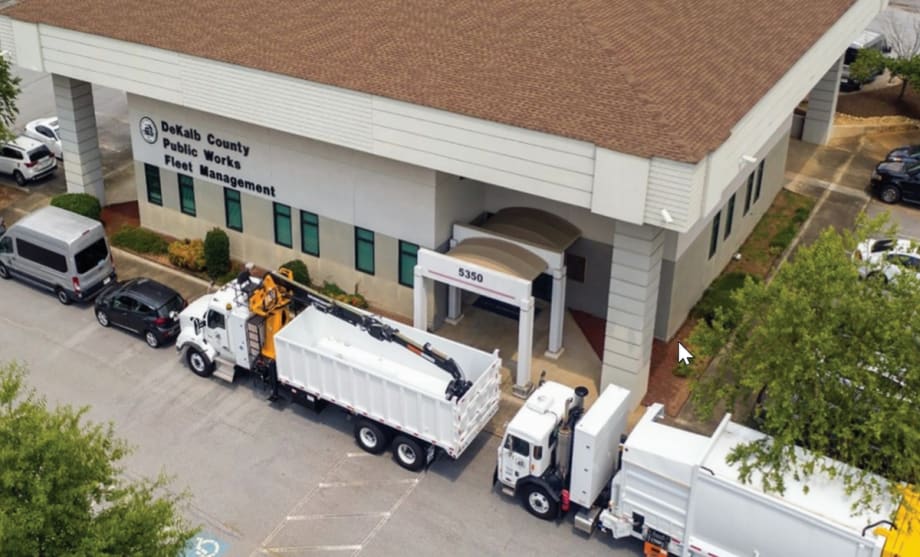
DeKalb County’s CNG fleet consists of front loaders, automated side loaders, rear loaders, roll-off trucks, road tractors, and other trucks, vans, and sedans.
Photo: Hexagon Agility
2 min to read
DeKalb County, Georgia, fleet management has found switching to compressed natural gas (CNG) refuse trucks has resulted in increased uptime, reduced maintenance needs, and reduced costs. Since transitioning to CNG in 2012, its CNG fleet has now grown to 337 vehicles out of a total fleet of 3,600, according to a report published by Hexagon Agility, which supplies the fleet’s CNG cylinders.
DeKalb County’s CNG fleet consists of front loaders, automated side loaders, rear loaders, roll-off trucks, road tractors, and other trucks, vans, and sedans. The natural gas used to fuel the vehicles comes from the county landfill.
One of the biggest advantages to CNG refuse trucks is the low maintenance.
“Initially, it was because we were going to make the gas for the trucks and save money, and it was a green thing to do,” said Robert Gordon, deputy director of fleet management. “But once the trucks were put on the road, we started seeing all the inherent problems that came with the new emission systems on diesel trucks, that really, in my opinion, became more important. The exhaust coming out of the new diesel trucks is clean enough, but you just have to add a lot of things to the engine to make that happen. With CNG you don’t have that, so for a fleet manager, anything you don’t have to work on or spend money on makes a business case for it.”
More uptime means a smaller fleet, as Gordon must keep fewer extra trucks around with CNG than with diesel. Other advantages include the fact that CNG refuse trucks can run all day without refueling, and they’re quieter than diesel trucks.
The county received grant funding to build two publicly accessible fast-fill CNG fuel stations that are managed by the sanitation department.
Gordon’s goal is to exceed diesel fuel use with natural gas, and he plans to do so by adding more CNG vehicles to the fleet.
More Green Fleet
Sustainability Partners, Energy Systems Group Help Albuquerque Close the Gap on its 100% Renewable Energy Goal
The eight-site, 6 MW solar project has advanced the city toward 100% renewable energy for municipal operations.
Read More →
Port Authority and CALSTART Launch $45 Million Electric Truck and Charging Programs
The programs aim to boost sustainable operations across the East Coast's busiest seaport.
Read More →
Moving Government Fleets Beyond the Vehicle Purchase: EV as a Service
A discussion on how EVaaS is moving beyond pilot programs and what fleets should consider before beginning a larger deployment.
Read More →
Moving Government Fleets Beyond the Vehicle Purchase: EV as a Service
As fleets move beyond small EV pilots, Sustainability Partners CEO Adam Cain explains how EVaaS can address the infrastructure and long-term planning required for larger deployments.
Read More →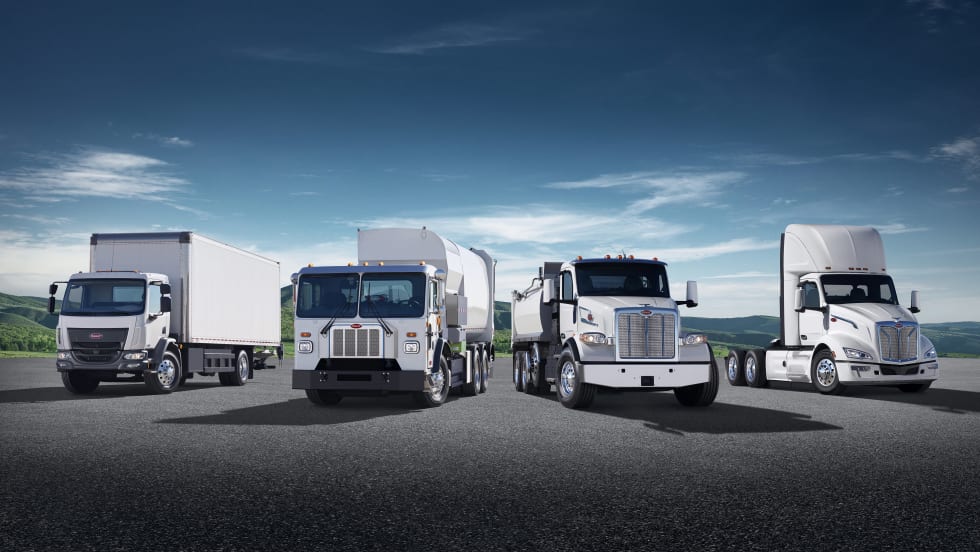
Peterbilt Expands Sourcewell Partnership with Electric Vehicle Lineup
The agreement aims to provide streamlined procurement of Peterbilt trucks for government, education, nonprofit and tribal organizations across the United States and Canada.
Read More →

EV Adoption & Charging Challenges
Where is your fleet in the journey of vehicle electrification? If you're still looking for answers to fleet electrification you've come to the right place.
Read More →
Hawaii Passes Clean Fuel Policy
Hawaii lawmakers passed clean fuel legislation that could support renewable natural gas production, biogas-powered transportation, and lower-carbon fueling options for public and commercial fleets.
Read More →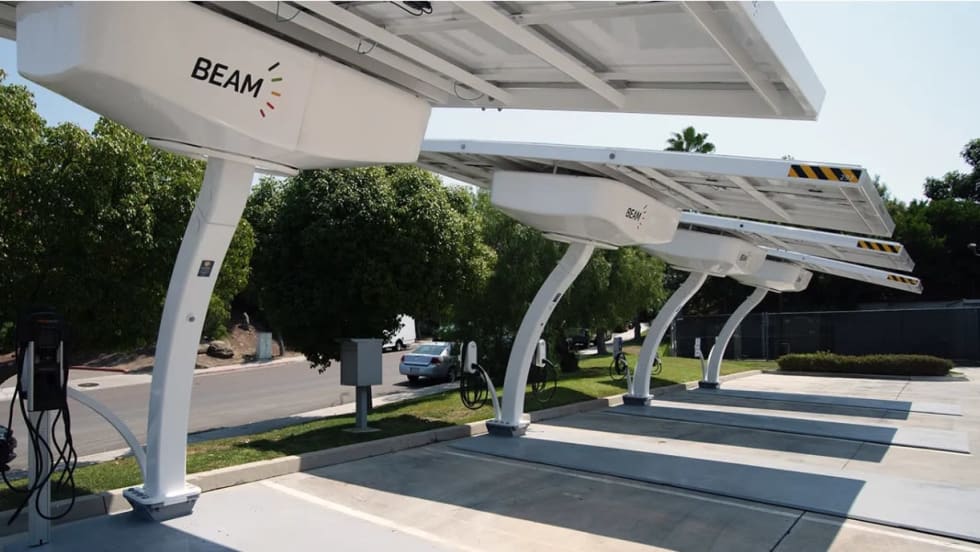
Stanislaus County Deploys Ten Beam Global EV ARC Systems to Support County Fleet Electrification
Stanislaus County deployed 10 off-grid solar-powered EV charging systems and a mobile charging trailer from Beam Global to support its electric fleet operations and emergency response flexibility.
Read More →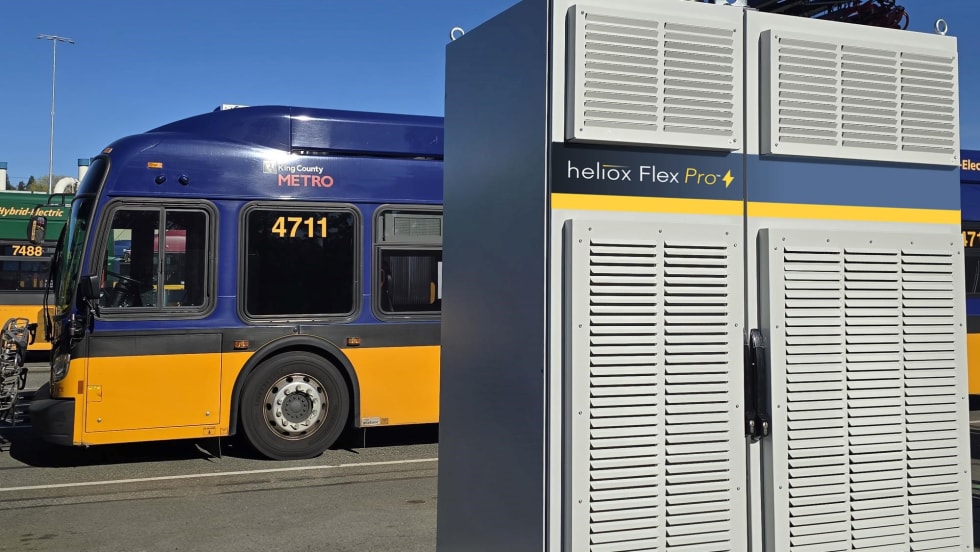
Heliox Pilots 480-kW Bus Charger with King County Metro
King County Metro is piloting Heliox’s new 480-kW Flex Pro charger to support expansion of its battery-electric bus fleet and depot charging infrastructure. The compact charging system supports pantograph and plug-in charging configurations for high-density transit operations.
Read More →