





Related: Former Fleet Manager of the Year Elected APWA President
Former Baltimore Deputy Fleet Chief Named Director of General Services
Chichi Nyagah-Nash served as deputy fleet chief for six years, managing an operating budget of $47 million.
August 28, 2019

Chichi Nyagah-Nash was sworn in as Director of the Department of General Services.
Photo courtesy of Baltimore DGS
2 min to read
The City of Baltimore's former Fleet Deputy Chief Chichi Nyagah-Nash has been named as the director of the Department of General Services. She was sworn in by Mayor Bernard Young last week.
Nyagah-Nash has worked for the City of Baltimore Department of General Services since 2012, and served as deputy fleet division chief for six years. While there she managed an operating budget of $47 million and was responsible for the purchase of all city vehicles. She also developed policies and procedures to govern operational changes aimed at efficiency improvements. Nyagah-Nash has given presentations on the city's Master Lease program at the 2017 Government Fleet Expo and on incentivizing employees at this year's GFX.
“Chichi has been a real star at DGS and made my job as director infinitely easier,” said Steve Sharkey, former director of DGS, and new director of the Department of Transportation. “I have had the pleasure to watch her develop into an innovative leader and an essential component of the department. I am extremely excited and very proud that she will be succeeding me at DGS and I have the utmost confidence in her ability to lead the department to even greater success.”
As director, Nyagah-Nash will oversee a staff of more than 350 people, including mechanics, architects, building maintenance workers, and drivers.
“Our mission is to deliver cost effective, high quality, reliable, and sustainable services to our customer agencies. We will enhance the use of data collection and modeling, process improvement, advanced technology, and innovative employee engagement programs to achieve our goals,” Nyagah-Nash said in a statement.
More Operations
Is Delaying Fleet Replacement Really Saving Money?
Could delaying replacement cost your fleet more than it saves? This week’s recap takes a closer look, plus an update on GFX 2027.
Read More →
What Government Fleets Are Missing About Their True Costs
What are fleet budgets missing, and how can agencies use the data they already collect to make a stronger case for change?
Read More →
Rethinking Fleet Decisions From the Budget Office to the Shop
This October we looked back at how public fleets are reconsidering familiar processes and using what they learn to make better decisions.
Read More →
Who Owns the Message on a Refuse Truck?
Refuse trucks can carry public messages into neighborhoods, but keeping those messages current takes planning and clear responsibility.
Read More →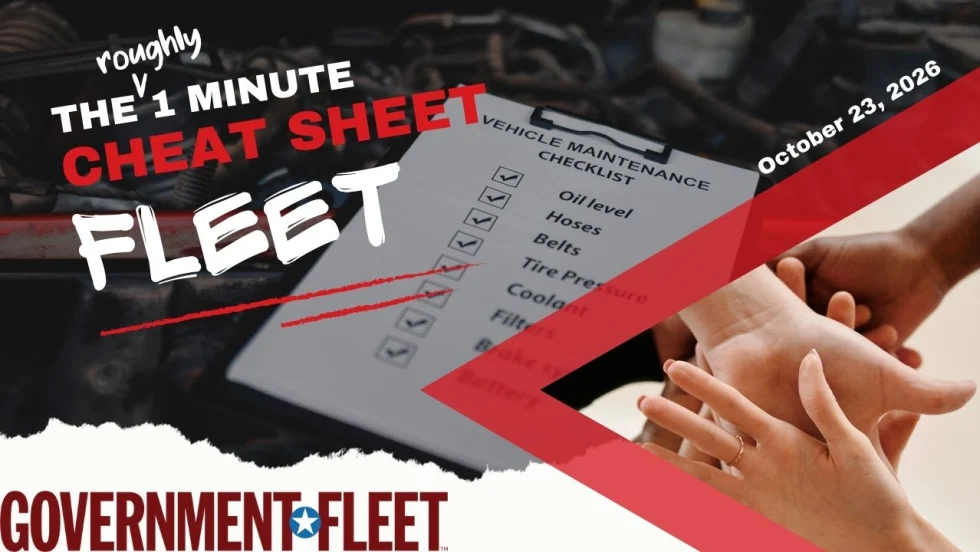
Who Deserves Fleet Recognition and What Could You Teach at GFX?
Who helped shape your fleet career, and what have you learned that could help someone else?
Read More →
What’s Haunting Public Sector Fleets?
Public sector fleet challenges rarely happen in isolation, and addressing one often means understanding how it connects to another.
Read More →
Is Keeping Older Fleet Vehicles Really Saving Money?
Is keeping vehicles longer saving money, and what happens when a diagnostic test points to the wrong fix?
Read More →
How Smart Fleet Strategy Can Help Local Government Agencies Do More with Less
Keeping a vehicle longer may ease this year’s budget, but what does it cost the next one? A closer look at fleet decisions can reveal opportunities to reduce spending while protecting essential services.
Read More →
Connect with Government Fleet on LinkedIn
From industry news and fleet management strategies to conversations with peers, Government Fleet's LinkedIn page offers public-sector fleet professionals another way to stay informed and connected.
Read More →
Town of Queen Creek Named Most Successful Fleet Award Winner of Inaugural RTA Fleet Success Awards
Five fleets were honored at RTA Connect 2026 in Chicago for excellence across resource efficiency, intentional culture, risk management, and stakeholder satisfaction.
Read More →