





Learn More: BYD Brings Zero Emission Refuse Collection to Florida
First Fla. City Receives State Accreditation for Inspectors General
Thirty-eight inspectors general in the state have received the recognition, with the city’s agency being the only one to represent a municipality.
October 30, 2020

1 min to read

Jacksonville, Fla.
The City of Jacksonville’s Office of Inspector General (OIG) earned initial accreditation through the Commission for Florida Law Enforcement Accreditation, Inc. (CFA) as part of the organization’s Inspectors General Accreditation Program. Thirty-eight inspectors general in the state have received the recognition, with the city’s agency being the only one to represent a municipality. A CFA accreditation demonstrates an inspector general office’s commitment to adhering to professionally-recognized best practices that will enhance the quality of service provided to its community.
“An accreditation program has long been recognized as a means of maintaining the highest standards of professionalism,” said Danielle Terrell, executive director of the Florida Accreditation Office. “It offers a blueprint for building an agency committed to providing value-based services through accountability and transparency to the communities it serves. Congratulations to the hardworking men and women the City of Jacksonville, Office of Inspector General on this great accomplishment.”
To achieve accreditation, the OIG’s operations were evaluated on the 46 standards outlined in “The Florida Inspectors General Standards Manual” to measure professionalism, effectiveness, efficiency, and accountability. Systems and functions reviewed included organization and governing principles, training, notification process and case management, among several others. With zero deficiencies noted, the OIG was highly recommended for accreditation by the CFA Assessment Team.
Initial accreditation is valid for three years, with reaccreditation required every three years thereafter.
More Operations
What Can Disappear After a Fleet Crash?
This week, we look at drone footage, what fleets should document before repairs begin, and share a quick poll.
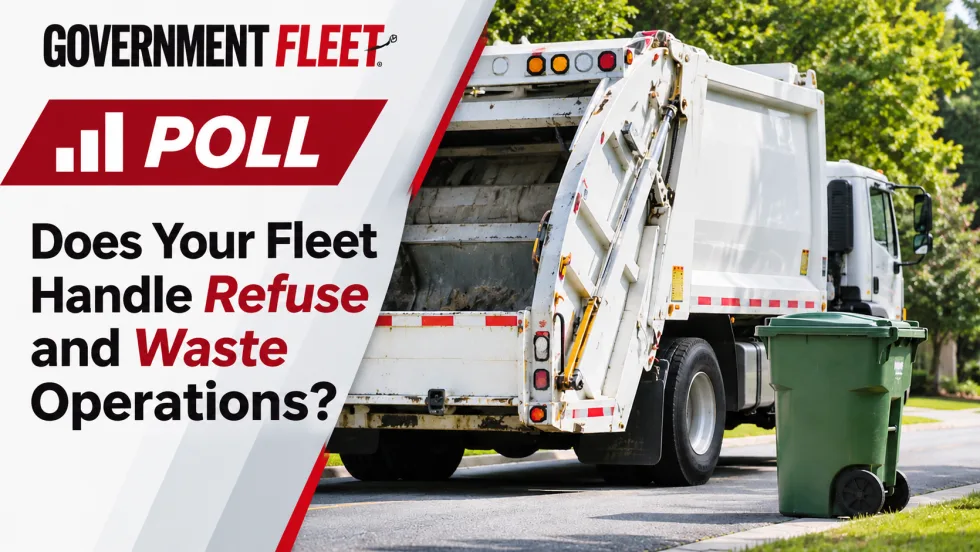
Does Your Government Fleet Handle Refuse and Waste Operations? Take Our Poll
Government Fleet wants to hear from public-sector fleet professionals about their responsibilities for refuse collection and waste management equipment.
Fleet Replacement Decisions, Waste Fleet Technology and the GFX Deadline
Is your next vehicle the right fit, can your records settle a missed pickup dispute, and what could your fleet teach others at GFX 2027?
Is Delaying Fleet Replacement Really Saving Money?
Could delaying replacement cost your fleet more than it saves? This week’s recap takes a closer look, plus an update on GFX 2027.

What Government Fleets Are Missing About Their True Costs
What are fleet budgets missing, and how can agencies use the data they already collect to make a stronger case for change?
Rethinking Fleet Decisions From the Budget Office to the Shop
This October we looked back at how public fleets are reconsidering familiar processes and using what they learn to make better decisions.
Who Owns the Message on a Refuse Truck?
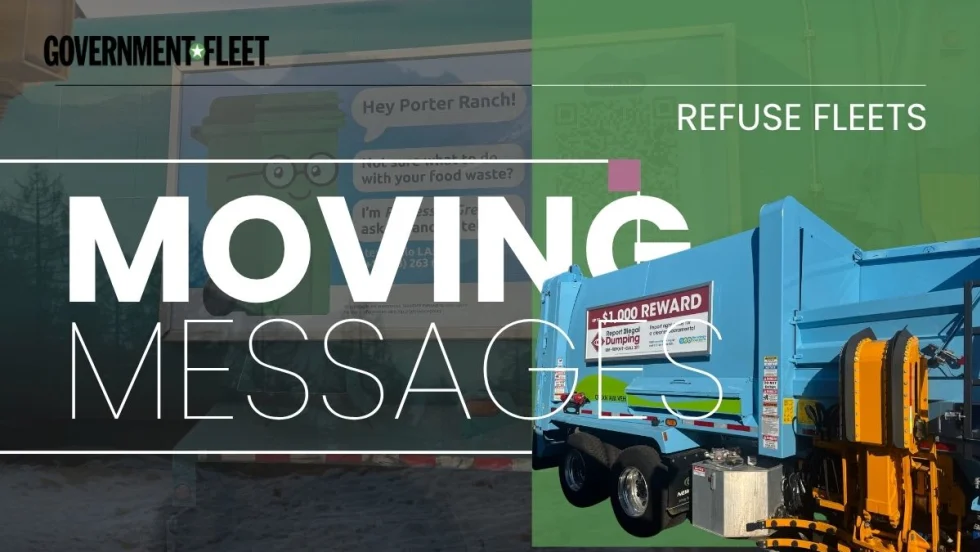
Refuse trucks can carry public messages into neighborhoods, but keeping those messages current takes planning and clear responsibility.
Who Deserves Fleet Recognition and What Could You Teach at GFX?
Who helped shape your fleet career, and what have you learned that could help someone else?

What’s Haunting Public Sector Fleets?
Public sector fleet challenges rarely happen in isolation, and addressing one often means understanding how it connects to another.
Is Keeping Older Fleet Vehicles Really Saving Money?
Is keeping vehicles longer saving money, and what happens when a diagnostic test points to the wrong fix?