




Feds Acquire Electric Utility Vehicles for Washington Dam
The U.S. Bureau of Reclamation has acquired 27 battery-electric utility vehicles to help reduce fuel costs and emissions.
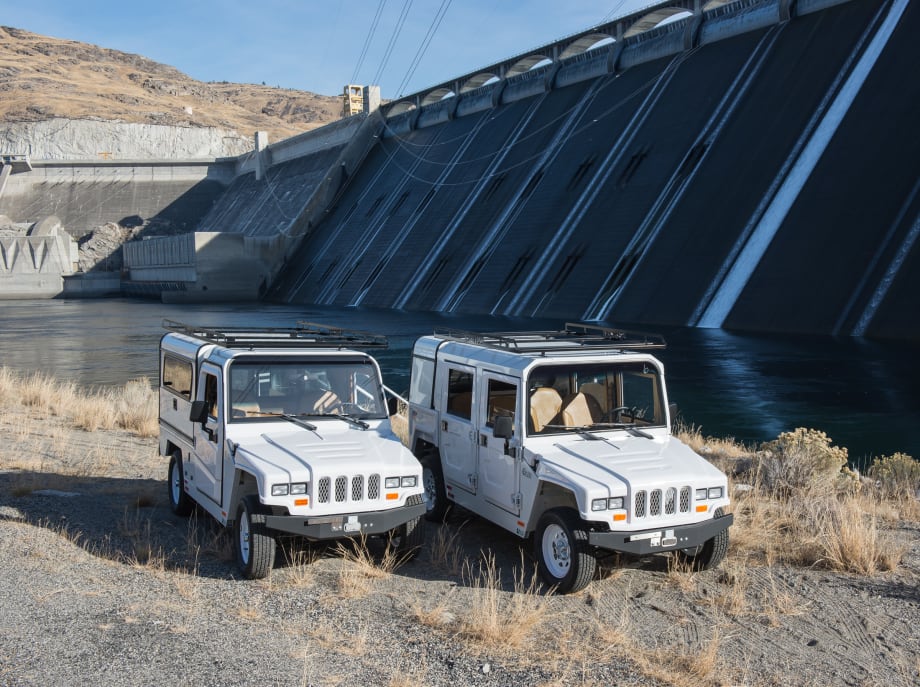
Photo courtesy of the Bureau of Reclamation
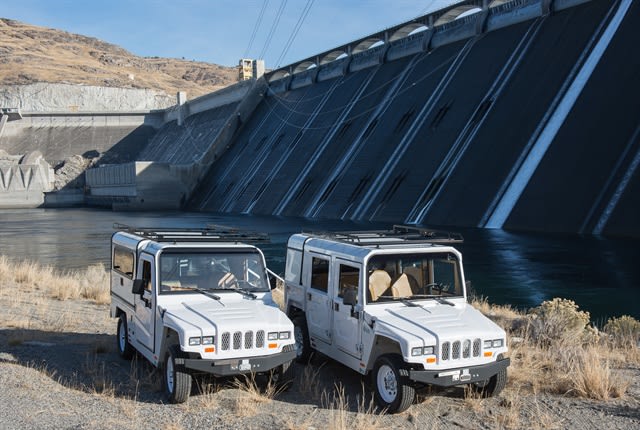
Photo courtesy of the Bureau of Reclamation
The U.S. Bureau of Reclamation has purchased a fleet of battery-electric utility vehicles to allow federal employees working at Grand Coulee Dam on the Columbia River in the state of Washington to move people and equipment in a more environmentally friendly way.
The bureau added 27 EXV2 and EXV4 Patriots built by e-ride Industries of Princeton, Minn., for the nation’s largest hydropower complex. The vehicles were outfitted specifically for use around the mile-wide dam, which covers 18 square miles and includes transmission yards and four power plants.
"They are low-cost, low-maintenance vehicles that help us meet our greenhouse gas emission goals set by the White House," said David Walsh, a bureau spokesman. "In addition, they meet a real dire need for vehicles. We've grown by about 150 employees within the last three or four years, so there's been a shortage of vehicles available."
In an effort to become more environmentally friendly, the bureau needed to find a way to cut down on fossil fuel usage, Walsh said.
“There are a lot of short trips we do," Walsh said. "To go from one end of the power plant to another is quite a drive, and it's usually just to pick up this part, deliver that item, or pick up two or three people to go work a job site or perform a task."
The vehicles are designed to handle a 1,000-pound payload, and reach a top speed of 25 mph with enough torque to make it up steep grades around the power plant complex. The vehicles powered by energy generated by the dam.
"We can get 50 miles of usage off of a single charge, so we set up a number of plug-in areas at various buildings,” said Walsh.
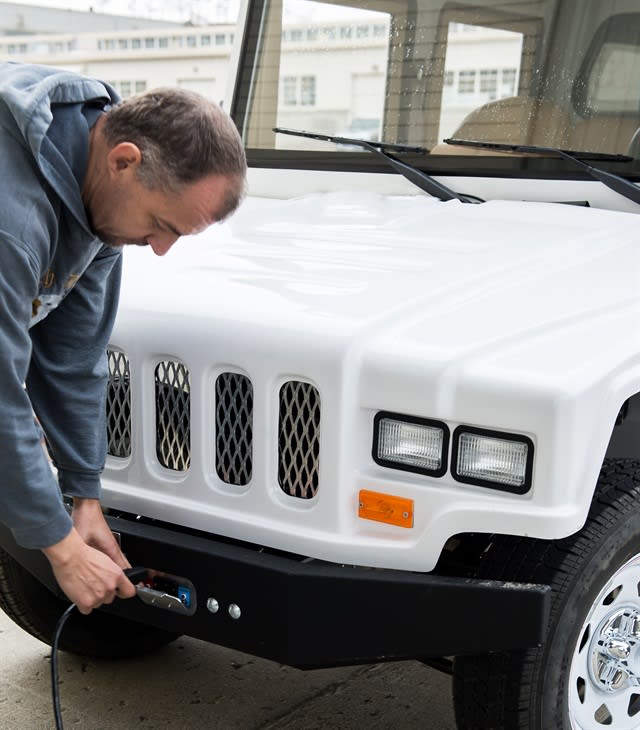
Photo courtesy of the Bureau of Reclamation
With the help of these electric vehicles, Grand Coulee will be able to cut spending on gasoline and diesel.
"[We] spend over $100,000 on fossil fuel each year," said Matt Tillman, Grand Coulee's administrative officer. "We're expecting to be able to cut that consumption by 10-15%.”
The 14 four-passenger models cost $32,381 each, while the 13 two-passenger utility models cost $32,902.
The dam's operators will be able to retire several vehicles that are currently in use that are fossil-fueled and don’t get as good mileage.
To see a video of the fleet in action, click here.
More Green Fleet
Sustainability Partners, Energy Systems Group Help Albuquerque Close the Gap on its 100% Renewable Energy Goal
The eight-site, 6 MW solar project has advanced the city toward 100% renewable energy for municipal operations.
Read More →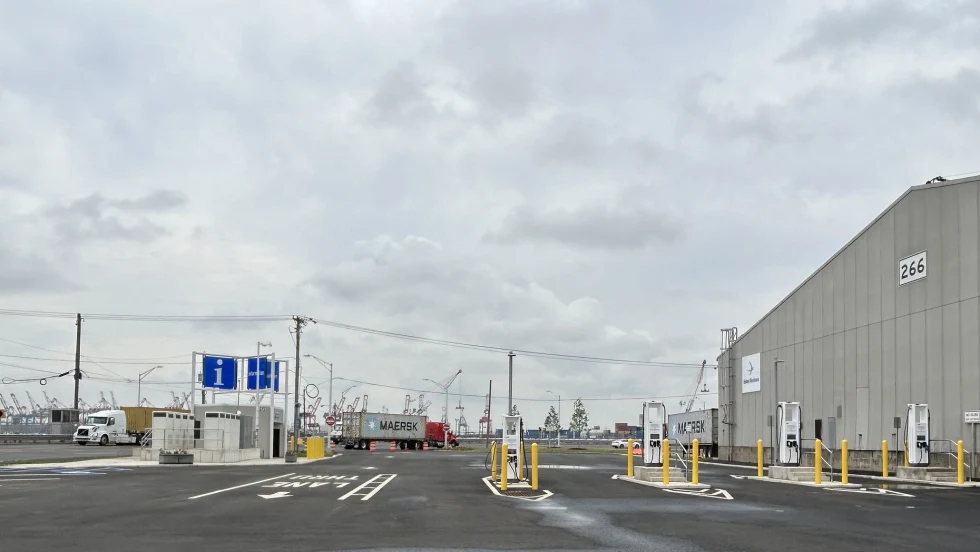
Port Authority and CALSTART Launch $45 Million Electric Truck and Charging Programs
The programs aim to boost sustainable operations across the East Coast's busiest seaport.
Read More →
Moving Government Fleets Beyond the Vehicle Purchase: EV as a Service
A discussion on how EVaaS is moving beyond pilot programs and what fleets should consider before beginning a larger deployment.
Read More →
Moving Government Fleets Beyond the Vehicle Purchase: EV as a Service
As fleets move beyond small EV pilots, Sustainability Partners CEO Adam Cain explains how EVaaS can address the infrastructure and long-term planning required for larger deployments.
Read More →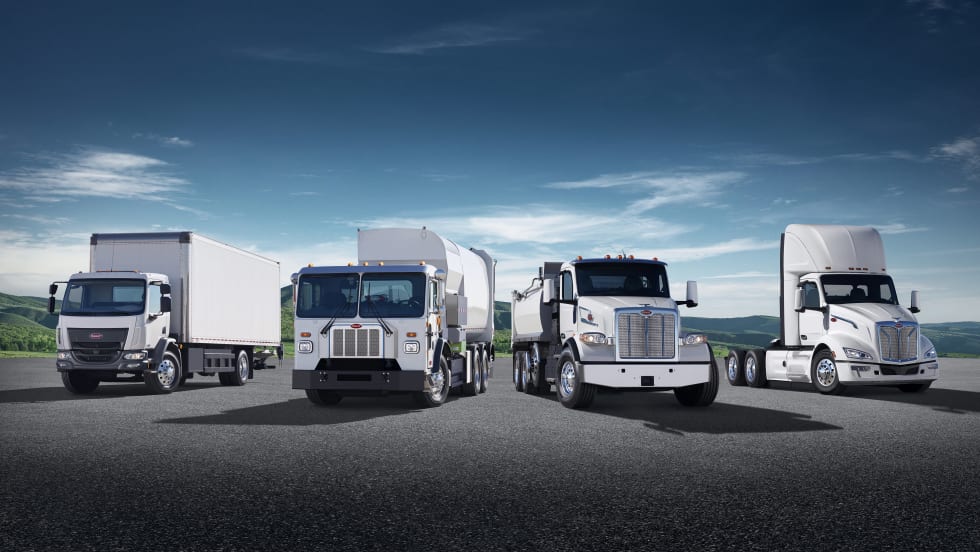
Peterbilt Expands Sourcewell Partnership with Electric Vehicle Lineup
The agreement aims to provide streamlined procurement of Peterbilt trucks for government, education, nonprofit and tribal organizations across the United States and Canada.
Read More →

EV Adoption & Charging Challenges
Where is your fleet in the journey of vehicle electrification? If you're still looking for answers to fleet electrification you've come to the right place.
Read More →
Hawaii Passes Clean Fuel Policy
Hawaii lawmakers passed clean fuel legislation that could support renewable natural gas production, biogas-powered transportation, and lower-carbon fueling options for public and commercial fleets.
Read More →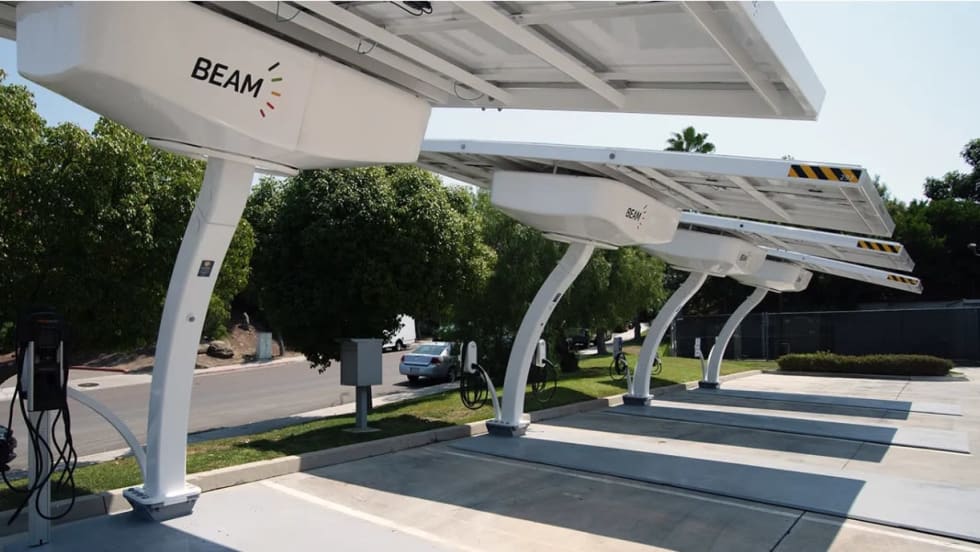
Stanislaus County Deploys Ten Beam Global EV ARC Systems to Support County Fleet Electrification
Stanislaus County deployed 10 off-grid solar-powered EV charging systems and a mobile charging trailer from Beam Global to support its electric fleet operations and emergency response flexibility.
Read More →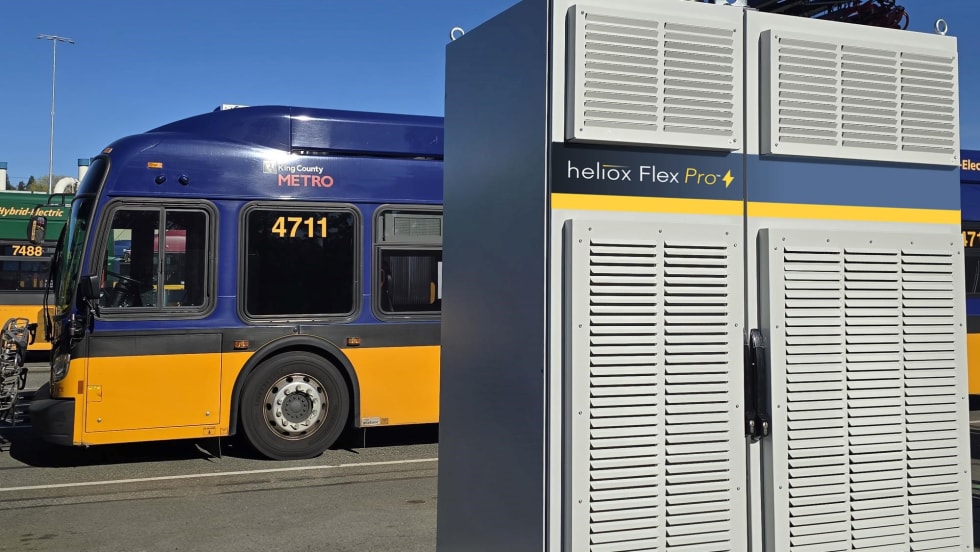
Heliox Pilots 480-kW Bus Charger with King County Metro
King County Metro is piloting Heliox’s new 480-kW Flex Pro charger to support expansion of its battery-electric bus fleet and depot charging infrastructure. The compact charging system supports pantograph and plug-in charging configurations for high-density transit operations.
Read More →