




Eagle County Working to Go 'Green'
EAGLE COUNTY, CO – The addition of 20 hybrid sedans to its motor vehicle fleet about two years ago was met with some skepticism, but the benefits were soon realized when gas prices began to rise.
EAGLE COUNTY, CO – Eagle County has released a report called "Sustainable Communities 2010" — an effort to look at the valley holistically, according to Steamboat Pilot & Today.
The Sustainable Communities 2010 report seeks to provide local decision-makers quantifiable "quality of life" data and information and also outlines suggested tools to protect quality of life and assist with public policy decisions throughout the county.
"The purpose of Sustainable Communities 2010 is to first quantify residents' needs and levels of service, then recommend solutions to ensure impacts associated with growth are mitigated and adequate services are provided to meet the demands of the population," said acting Eagle County Manager Keith Montag. "Sustainable Communities 2010 comprehensively considers the economic, social, and environmental challenges that arise from growth."
Montag credited feedback from a county survey completed last summer with launching the Sustainable Communities 2010 exercise. Based on those results, county residents identified the following "threats" to their quality of life:
Growth and land use.
Transportation and traffic congestion.
Affordable housing and cost of living.
Environmental protection.
Services such as health care, child care and senior care.
With the concerns thus identified, the county set out to define current service levels and the service level goal. The report outlines the gap existing between the two and sets out methods and associated costs to close it. It then lays out specific strategies to protect identified quality of life factors.
Because the focus on sustainability is a new initiative and can mean extra expense in a tight economy, it can be unpopular, said Yuri Kostick, sustainability coordinator.
The addition of 20 hybrid sedans to its motor vehicle fleet about two years ago was met with some skepticism, but the benefits were soon realized when gas prices began to rise, hitting more than $4 per gallon last summer. Now, 21 months into the Toyota Prius program, the county estimates those hybrid vehicles use 175-percent less gas than the sports utility vehicles that they replaced. The old cars averaged 18 miles per gallon of gas. The Prius averages 49.58 miles to the gallon.
County Fleet Manager Gusty Kanakis estimated that when the price of gas is at $3.59 a gallon, the savings in fuel alone amounts to $46,670 annually. "Whenever you're using less fuel, you're being environmentally friendly," said Kanakis.
The purchase of the distinctive, light green-colored hybrid cars probably is the most visible of aspect of the county's "ECO-Green" initiative, intended to promote environmental stewardship.
The 20 Prius cars, which make up about half of the county's light vehicle fleet, were purchased at $23,897 each. A few months later, the county obtained rebates of $3,013 per vehicle through the Colorado Department of Revenue's alternative fuel income tax credit program. The hybrids replaced 15 SUV vehicles and five Dodge Intrepids, some of which were scheduled for regular replacement. (The county's police will replace cars once they accumulate 112,000 miles.)
More Green Fleet
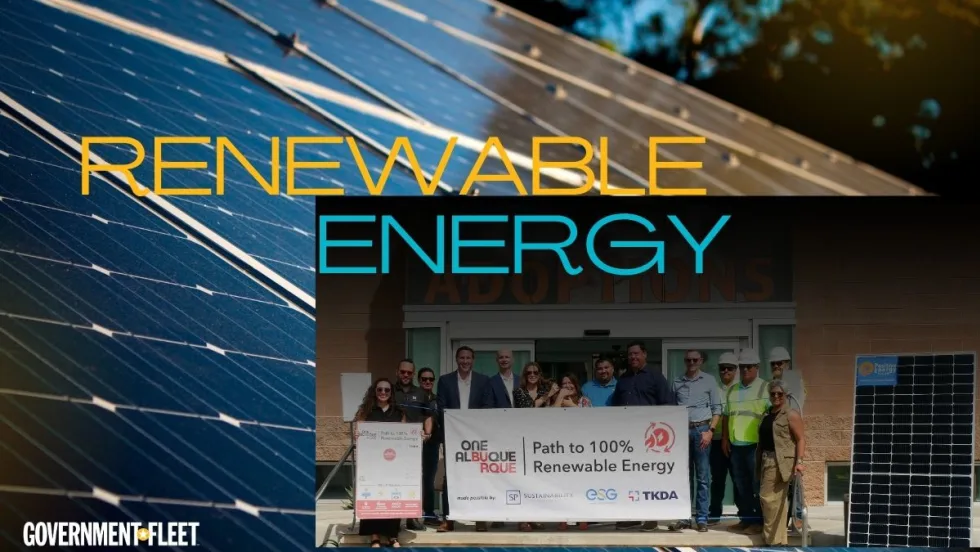
Sustainability Partners, Energy Systems Group Help Albuquerque Close the Gap on its 100% Renewable Energy Goal
The eight-site, 6 MW solar project has advanced the city toward 100% renewable energy for municipal operations.
Read More →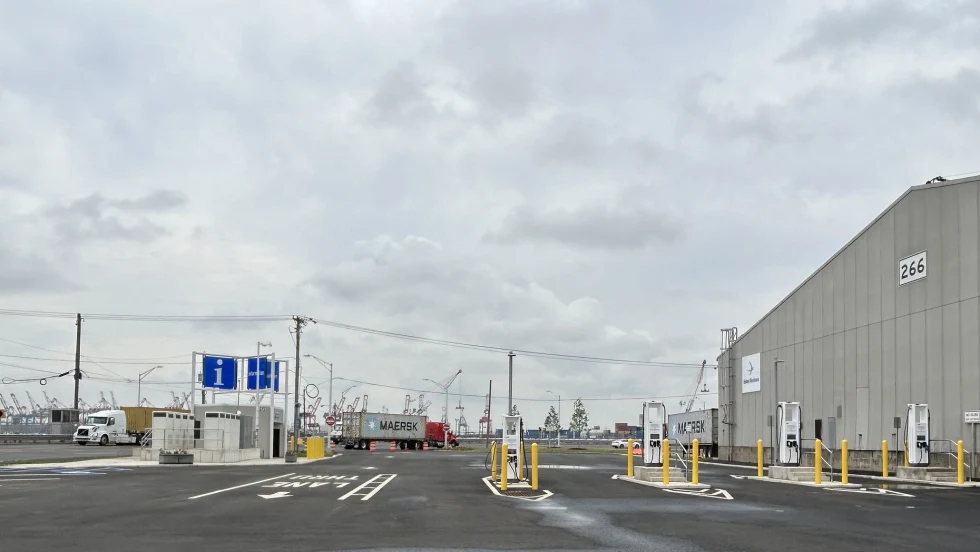
Port Authority and CALSTART Launch $45 Million Electric Truck and Charging Programs
The programs aim to boost sustainable operations across the East Coast's busiest seaport.
Read More →
Moving Government Fleets Beyond the Vehicle Purchase: EV as a Service
A discussion on how EVaaS is moving beyond pilot programs and what fleets should consider before beginning a larger deployment.
Read More →
Moving Government Fleets Beyond the Vehicle Purchase: EV as a Service
As fleets move beyond small EV pilots, Sustainability Partners CEO Adam Cain explains how EVaaS can address the infrastructure and long-term planning required for larger deployments.
Read More →
Peterbilt Expands Sourcewell Partnership with Electric Vehicle Lineup
The agreement aims to provide streamlined procurement of Peterbilt trucks for government, education, nonprofit and tribal organizations across the United States and Canada.
Read More →

EV Adoption & Charging Challenges
Where is your fleet in the journey of vehicle electrification? If you're still looking for answers to fleet electrification you've come to the right place.
Read More →
Hawaii Passes Clean Fuel Policy
Hawaii lawmakers passed clean fuel legislation that could support renewable natural gas production, biogas-powered transportation, and lower-carbon fueling options for public and commercial fleets.
Read More →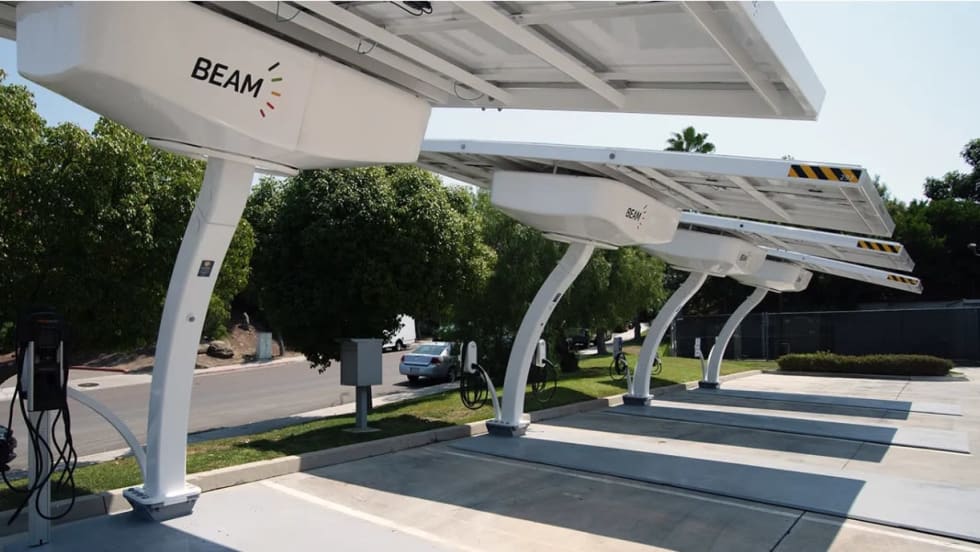
Stanislaus County Deploys Ten Beam Global EV ARC Systems to Support County Fleet Electrification
Stanislaus County deployed 10 off-grid solar-powered EV charging systems and a mobile charging trailer from Beam Global to support its electric fleet operations and emergency response flexibility.
Read More →
Heliox Pilots 480-kW Bus Charger with King County Metro
King County Metro is piloting Heliox’s new 480-kW Flex Pro charger to support expansion of its battery-electric bus fleet and depot charging infrastructure. The compact charging system supports pantograph and plug-in charging configurations for high-density transit operations.
Read More →