




Clean Cities Accepting Proposals for "Green" Transportation in National Parks
WASHINGTON - Cities in the Clean Cities coalitions and national parks can partner with one another to get funding from the $5 million available each year for "green" transportation projects.
WASHINGTON – The U.S. Department of Energy’s (DOE) Clean Cities program is accepting proposals for transportation-related projects in the U.S. National Parks that use renewable and alternative fuels, electric technologies, and other projects that reduce petroleum use and air pollution.
This program is a result of a 5-year, $5 million annually, agreement between the DOE and the National Parks Service (NPS) to fund transportation projects that involve the use of fuel- and emissions-reductions technologies and programs. In this program, national parks will partner with nearby cities involved in the Clean Cities Coalition to jointly develop and implement different “green” vehicle programs.
According to the Clean Cities website, National parks units and cities in the Clean Cities program can submit project ideas, but each park must work with one or more cities in the Clean Cities coalitions during project development. Initial submissions require a one-page proposal, with a more detailed proposal required if the National Renewable Energy Laboratory (NREL, the organization vetting the applications), chooses that proposal.
A number of national parks are already working with the Clean Cities Coalition to use alternative fuel vehicles. Zion National Park is working with Utah Clean Cities to implement anti-idling practices and add hybrids and EVs to the fleet. Great Smoky Mountains National Park powers more than 50 vehicles with biodiesel, and uses around a dozen hybrid EVs and neighborhood EVs in the park’s fleet.
For details about what types of proposals will be considered, visit the DOE’s Clean Cities website
The site also features proposals from successful national parks projects, such as Yellowstone, Grand Teton, and Mammoth Cave national parks.
More Green Fleet
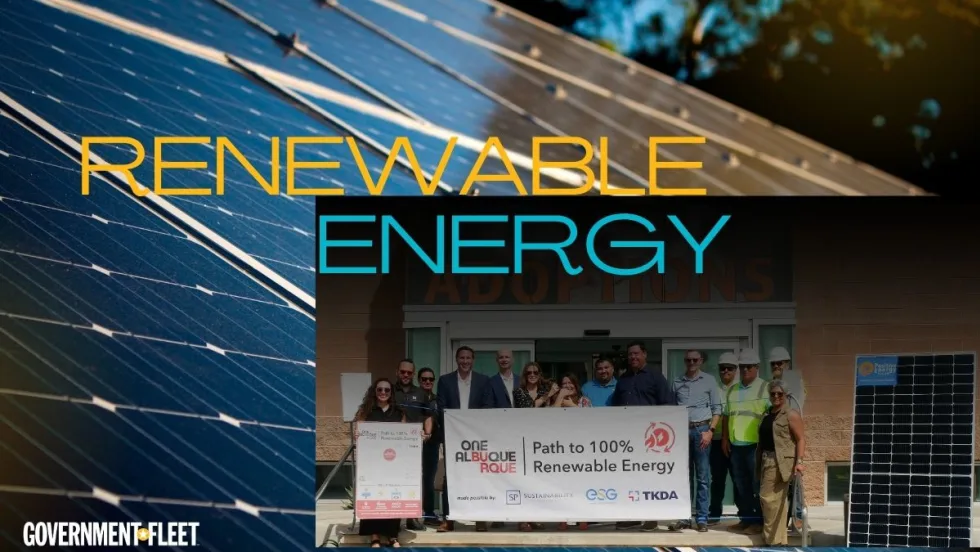
Sustainability Partners, Energy Systems Group Help Albuquerque Close the Gap on its 100% Renewable Energy Goal
The eight-site, 6 MW solar project has advanced the city toward 100% renewable energy for municipal operations.
Read More →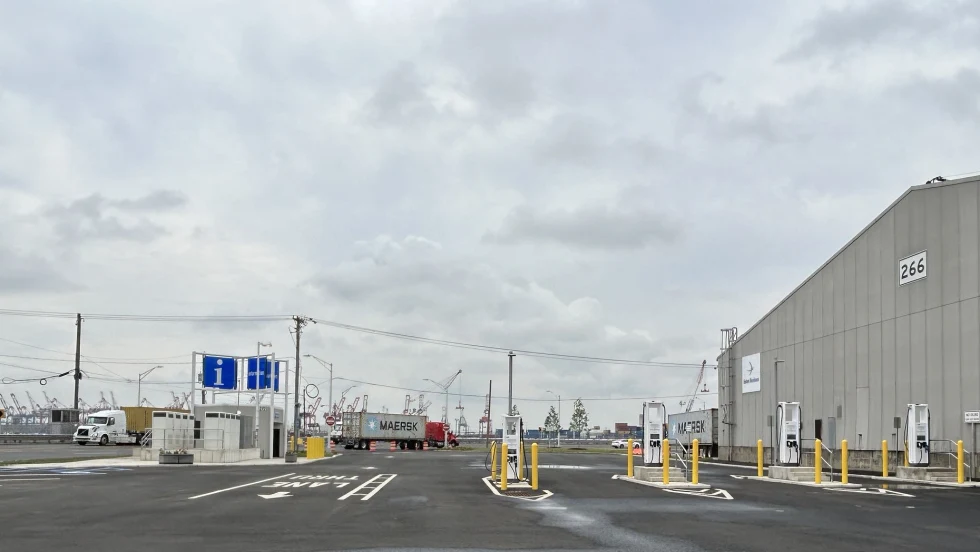
Port Authority and CALSTART Launch $45 Million Electric Truck and Charging Programs
The programs aim to boost sustainable operations across the East Coast's busiest seaport.
Read More →
Moving Government Fleets Beyond the Vehicle Purchase: EV as a Service
A discussion on how EVaaS is moving beyond pilot programs and what fleets should consider before beginning a larger deployment.
Read More →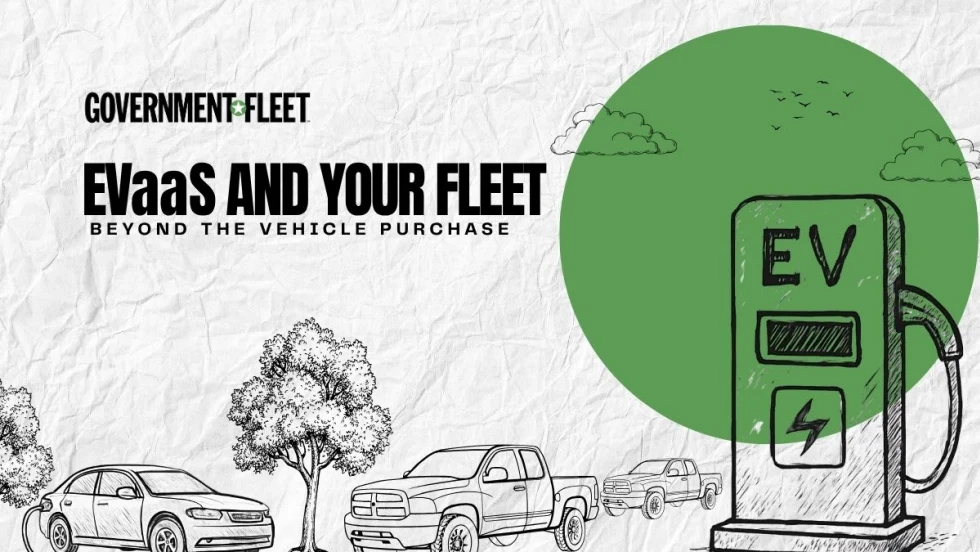
Moving Government Fleets Beyond the Vehicle Purchase: EV as a Service
As fleets move beyond small EV pilots, Sustainability Partners CEO Adam Cain explains how EVaaS can address the infrastructure and long-term planning required for larger deployments.
Read More →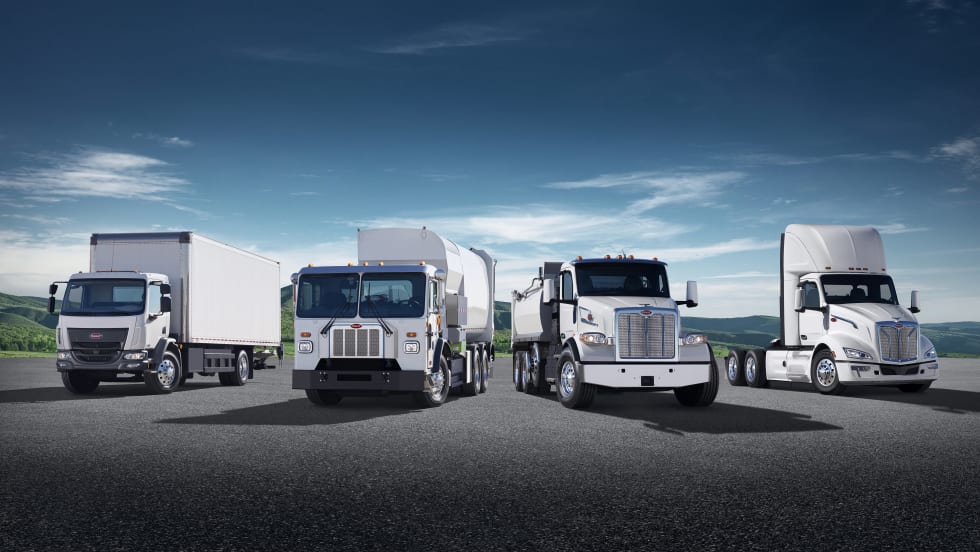
Peterbilt Expands Sourcewell Partnership with Electric Vehicle Lineup
The agreement aims to provide streamlined procurement of Peterbilt trucks for government, education, nonprofit and tribal organizations across the United States and Canada.
Read More →
EV Adoption & Charging Challenges
Where is your fleet in the journey of vehicle electrification? If you're still looking for answers to fleet electrification you've come to the right place.
Read More →
Hawaii Passes Clean Fuel Policy
Hawaii lawmakers passed clean fuel legislation that could support renewable natural gas production, biogas-powered transportation, and lower-carbon fueling options for public and commercial fleets.
Read More →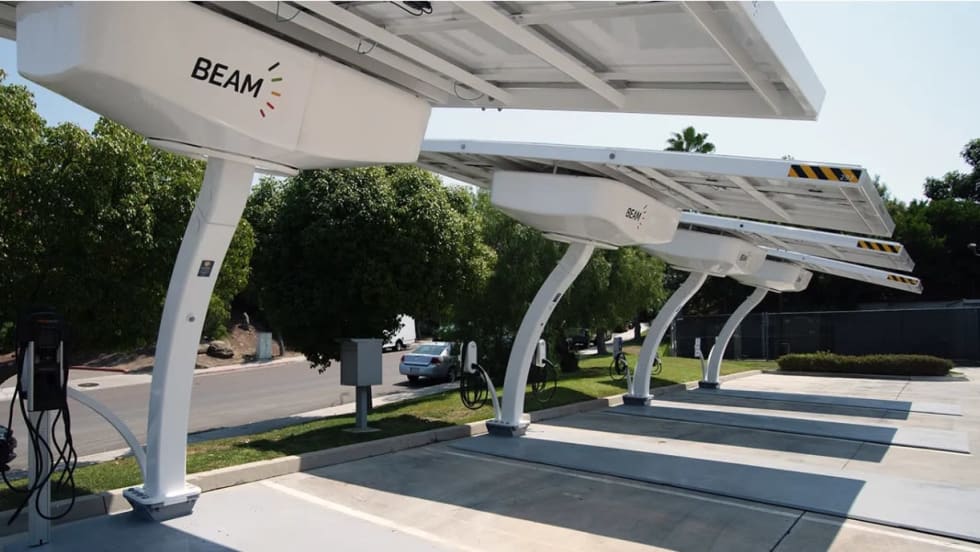
Stanislaus County Deploys Ten Beam Global EV ARC Systems to Support County Fleet Electrification
Stanislaus County deployed 10 off-grid solar-powered EV charging systems and a mobile charging trailer from Beam Global to support its electric fleet operations and emergency response flexibility.
Read More →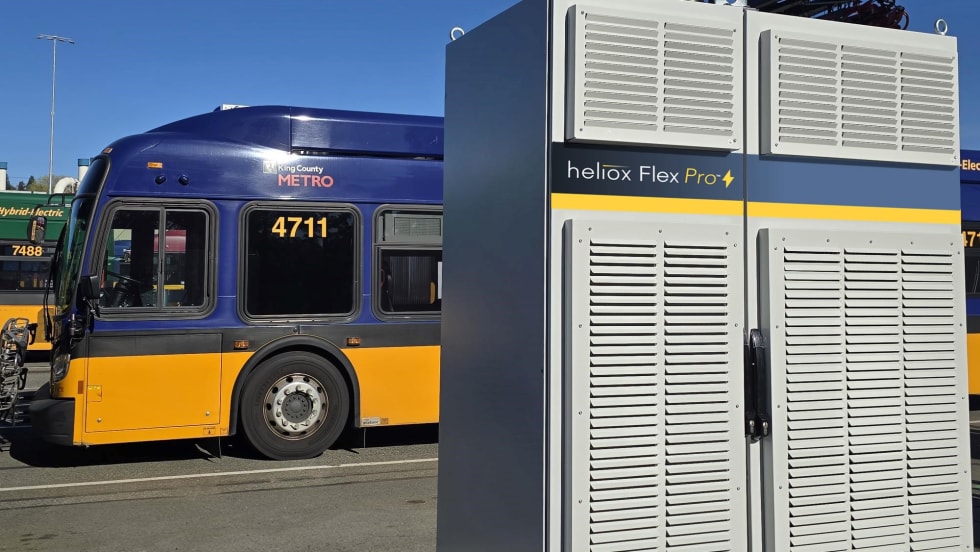
Heliox Pilots 480-kW Bus Charger with King County Metro
King County Metro is piloting Heliox’s new 480-kW Flex Pro charger to support expansion of its battery-electric bus fleet and depot charging infrastructure. The compact charging system supports pantograph and plug-in charging configurations for high-density transit operations.
Read More →