




DOE Awards Recognize Federal Sustainability Efforts
WASHINGTON - The U.S. Department of Energy announced the 31 winners of the 2011 Department of Energy (DOE) Sustainability Awards. Two fleets and one individual were commended for their fleet sustainability achievements.
WASHINGTON - The U.S. Department of Energy announced the 31 winners of the 2011 Department of Energy (DOE) Sustainability Awards. These awards recognize the achievements of DOE employees whose leadership and initiatives have reduced the department's use of energy, water, and paper, while improving the energy efficiency of federal buildings and vehicles. DOE's sustainability initiatives saved more than $4 million in FY-2010 alone, according to a DOE release.
In 2009, President Obama signed Executive Order 13514 on Leadership in Environmental, Energy, and Economic Performance, which called on the federal government to reduce its greenhouse gas emissions and implement energy and water efficiency programs. The 2011 winners have significantly improved the sustainability of DOE operations.
Fleet-related awards and achievements include:
Brian Costlow, director of the DOE Office of Administration and the sustainability lead for DOE headquarters: Costlow's efforts to reduce DOE headquarters' executive fleet by more than 35 percent and ensure that more than 75 percent of the fleet is comprised of alternative fuel vehicles resulted in savings of more than 5,000 gallons of petroleum in FY-2010.
Princeton Plasma Physics Laboratory (PPPL) Fleet Management Program: PPPL initiated its vehicle fleet management program in 2006 and has since exceeded fleet management targets for FY-2015. It launched a biodiesel pilot program in 2007, using B-20 as an alternative fuel for new utility vehicles and existing diesel-powered fleet vehicles. The successful use of this fuel in a new utility vehicle-the John Deere Gator-was groundbreaking as this was the first time B-20 fuel was used in this vehicle. PPPL also reinstituted the use of natural gas powered vehicles. By 2009, PPPL addressed infrastructure requirements to accommodate permanent storage and dispensing of both E-85 and B-20. As of FY-2010, 73 percent of the PPPL fleet was comprised of alternative-fueled vehicles. Alternative-fuel consumption was 19 times higher than FY-2005 levels, representing more than 77-percent of PPPL's total covered fleet fuel use.
National Nuclear Security Administration Green Fleet Team: The National Nuclear Security Administration (NNSA) established its Green Fleet Team in 2005. The team focuses on reducing petroleum use and miles traveled, and on right-sizing the fleet with alternative fueled vehicles in operation. In FY-2010, NNSA sites improved vehicle maintenance and fuel efficiency and made greater use of alternative fuels where available, resulting in a 12-percent decrease in petroleum use, a 32-percent increase in alternative fuel use, and nearly $4 million in avoided costs. The team has also documented sustained results, reducing petroleum use by 36-percent since 2005 and achieving the Executive Order 13514 goal of a 30-percent reduction by 2020 in only five years. Additionally, the team increased alternative fuel use by 254 percent between FY-2005 and FY-2010.
The full list of winners and their achievements can be found here.
More Green Fleet
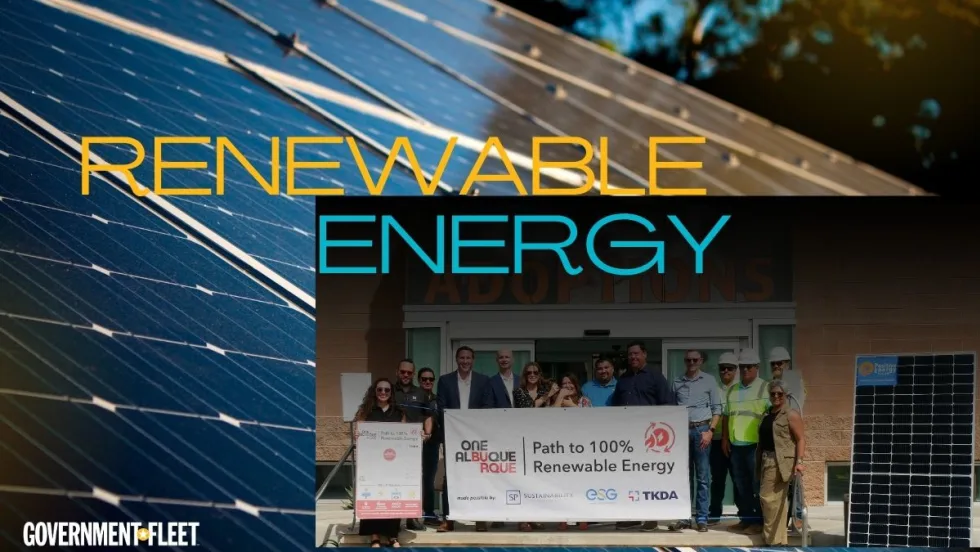
Sustainability Partners, Energy Systems Group Help Albuquerque Close the Gap on its 100% Renewable Energy Goal
The eight-site, 6 MW solar project has advanced the city toward 100% renewable energy for municipal operations.
Read More →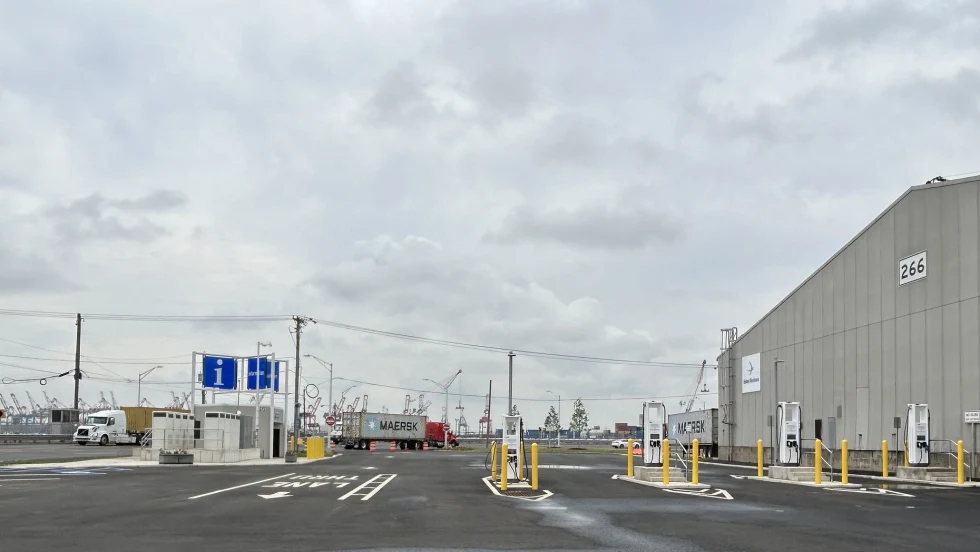
Port Authority and CALSTART Launch $45 Million Electric Truck and Charging Programs
The programs aim to boost sustainable operations across the East Coast's busiest seaport.
Read More →
Moving Government Fleets Beyond the Vehicle Purchase: EV as a Service
A discussion on how EVaaS is moving beyond pilot programs and what fleets should consider before beginning a larger deployment.
Read More →
Moving Government Fleets Beyond the Vehicle Purchase: EV as a Service
As fleets move beyond small EV pilots, Sustainability Partners CEO Adam Cain explains how EVaaS can address the infrastructure and long-term planning required for larger deployments.
Read More →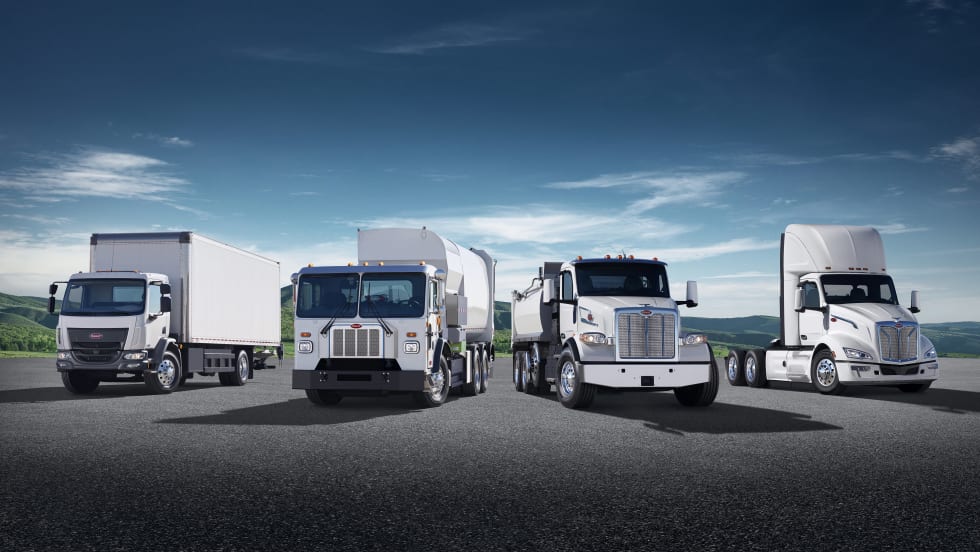
Peterbilt Expands Sourcewell Partnership with Electric Vehicle Lineup
The agreement aims to provide streamlined procurement of Peterbilt trucks for government, education, nonprofit and tribal organizations across the United States and Canada.
Read More →
EV Adoption & Charging Challenges
Where is your fleet in the journey of vehicle electrification? If you're still looking for answers to fleet electrification you've come to the right place.
Read More →
Hawaii Passes Clean Fuel Policy
Hawaii lawmakers passed clean fuel legislation that could support renewable natural gas production, biogas-powered transportation, and lower-carbon fueling options for public and commercial fleets.
Read More →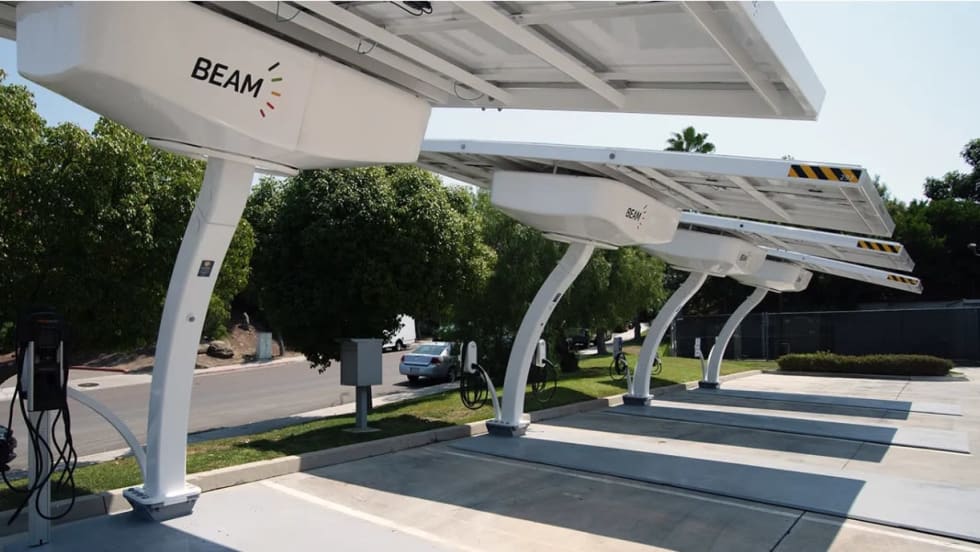
Stanislaus County Deploys Ten Beam Global EV ARC Systems to Support County Fleet Electrification
Stanislaus County deployed 10 off-grid solar-powered EV charging systems and a mobile charging trailer from Beam Global to support its electric fleet operations and emergency response flexibility.
Read More →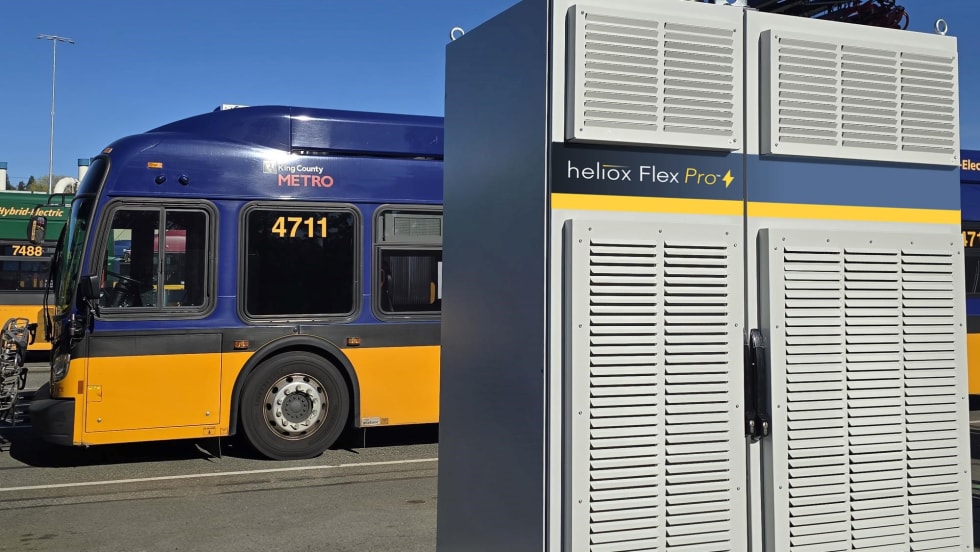
Heliox Pilots 480-kW Bus Charger with King County Metro
King County Metro is piloting Heliox’s new 480-kW Flex Pro charger to support expansion of its battery-electric bus fleet and depot charging infrastructure. The compact charging system supports pantograph and plug-in charging configurations for high-density transit operations.
Read More →