





Similar Content: Georgia City Approves Fleet Replacement Plan
Derby, Kansas Switching to Enterprise Fleet Management
The city will begin the process of replacing its existing fleet with new vehicles. Derby will eventually replace all fleet vehicles one ton and smaller.
July 21, 2022
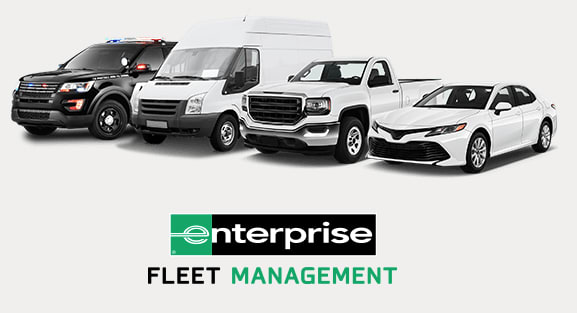
Initial city vehicle sales to Enterprise are projected to generate $1.384 million.
Photo: Enterprise Fleet Management
2 min to read
The City of Derby, Kansas, will begin the process of replacing its existing fleet with new vehicles. On July 12, the City Council approved a resolution to enter into an agreement with Enterprise Fleet Management to eventually replace all city fleet vehicles one ton and smaller.
According to the resolution, fleet vehicle market changes have impacted budgeting and vehicle replacement planning for Derby and other Kansas communities. Through the program, the city would purchase vehicles at government rates for later resell at the most value.
"We're going to have better access to vehicles, we're going to have better vehicles, and we're going to save money," Mayor Randy White said.
Initial city vehicle sales to Enterprise are projected to generate $1.384 million. According to documents prepared by Ken Olsen, fleet consultant, it would take more than 14 years to cycle the entire fleet at current acquisition rates.
A lease term would range from 12 to 60 months with payments based on vehicle purchase price, time remaining in the fleet, and depreciation value.
Among the listed cost benefits from the partnership is an estimated fuel reduction by more than 20% with the city reducing maintenance costs by approximately 67%. The resolution summarized that Derby will be able to replace 98 of its oldest vehicles within the first five years by shifting from reactively replacing inoperable vehicles to planning vehicle purchases.
More Operations
Who Deserves Fleet Recognition and What Could You Teach at GFX?
Who helped shape your fleet career, and what have you learned that could help someone else?
Read More →
What’s Haunting Public Sector Fleets?
Public sector fleet challenges rarely happen in isolation, and addressing one often means understanding how it connects to another.
Read More →
Is Keeping Older Fleet Vehicles Really Saving Money?
Is keeping vehicles longer saving money, and what happens when a diagnostic test points to the wrong fix?
Read More →
How Smart Fleet Strategy Can Help Local Government Agencies Do More with Less
Keeping a vehicle longer may ease this year’s budget, but what does it cost the next one? A closer look at fleet decisions can reveal opportunities to reduce spending while protecting essential services.
Read More →
Connect with Government Fleet on LinkedIn
From industry news and fleet management strategies to conversations with peers, Government Fleet's LinkedIn page offers public-sector fleet professionals another way to stay informed and connected.
Read More →
Town of Queen Creek Named Most Successful Fleet Award Winner of Inaugural RTA Fleet Success Awards
Five fleets were honored at RTA Connect 2026 in Chicago for excellence across resource efficiency, intentional culture, risk management, and stakeholder satisfaction.
Read More →
Sponsored•October 14, 2026
A buyer's guide to fleet management software in 2027
Buying fleet management software in 2027 means looking beyond features and price. As fleet operations, technology and expectations evolve, this guide explores what today’s fleet professionals should consider when choosing a system that can deliver value now and adapt to what comes next.
Read More →
Hazard Alerts, Fleet Car Sales Rise and a New Shuttle Concept
Fleet car sales doubled, but the bigger picture tells a different story in this week’s roundup.
Read More →
How St. Johns County Turned Fleet Data Into Better Replacement Decisions
St. Johns County, Florida, had fleet data, but turning it into reliable decision guidance was another matter. Instead of starting over with a new fleet management system, the county connected existing tools and built a scoring system that gives managers an objective look at fleet health.
Read More →
Fleet Forward Conference Introduces One-Day Passes for 2026
New one-day registration lets fleet professionals attend Tuesday, Wednesday, or Thursday, with passes available for $249.
Read More →