





Also See: How Long Vehicle Delivery Times Affect Government Fleets
Dallas Mayor Seeks Federal Help Dealing with Ambulance Shortage
Mayor Eric Johnson pointed to supply chain issues and recent flooding that destroyed nearly 50 city emergency response vehicles as part of the reason for the shortage.
November 4, 2022
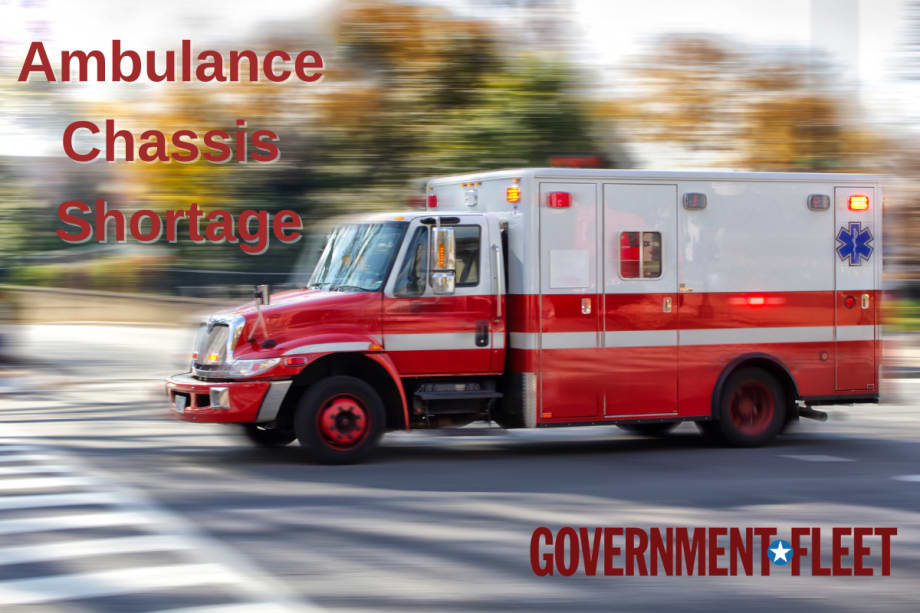
Texas is facing a shortage of ambulance chassis, as well as other emergency vehicles.
Photo: Canva/Government Fleet
2 min to read
Dallas, Texas, Mayor Eric Johnson sounded the alarm on a shortage of ambulance chassis and other emergency fleet vehicles in a recent letter to U.S. Transportation Secretary Pete Buttigieg. Johnson noted that the shortage is a national issue, having an impact on major organizations like the American Ambulance Association, International Association of Fire Chiefs, International Association of Fire Fighters, and National Association of Emergency Medical Technicians. Those organizations also penned a letter to Buttigieg, calling for assistance. Johnson included them in his letter as well.
Longer Wait Periods
Obtaining a new ambulance -- from order to delivery, now takes at least 24 months, compared to a 90-120-day wait time pre-pandemic, Johnson's letter said. Supply chain challenges like the microchip shortage have also exacerbated the problem. The challenges come as emergency departments across the country deal with increasing demands for emergency services for things like weather-related events, Johnson wrote.
Impact on Texas
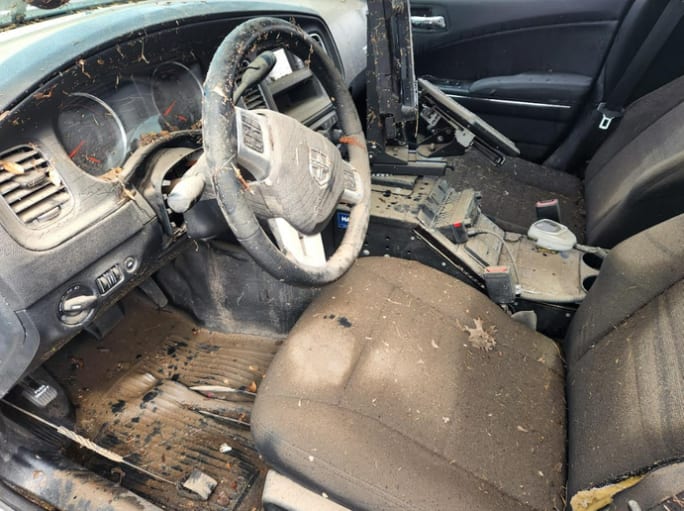
Recent unprecedented flooding led more than four dozen emergency response vehicles to be destroyed. Around half of those were police cars, like the one seen above.
Photo: Dallas Police Department
Manufacturers have informed the city of Dallas that they are not able to fill orders for 27 ambulance chassis and 401 heavy equipment vehicles, according to Johnson. Recent unprecedented flooding led the city to lose more than four dozen emergency response vehicles. Those vehicles will take more than a year to replace, Johnson wrote. The issue is not unique to Dallas, though.
Johnson listed several incidences of trouble ordering emergency vehicles across the state:
The City of Fort Worth recently received no bids for a specialty parts contract that would normally gamer 40-50 bids.
The City of Austin routinely purchases 14-15 new ambulance chassis each year to maintain a fleet of 80-90 ambulances. But the city is a year behind due to supply chain issues. As a result, the city is using older vehicles to maintain response times, increasing maintenance costs by $3 million annually.
The City of Houston reports that Ford is providing only one of 70 requested Ford F-150s in 2022, with Ford pushing the rest of the order to next year (with increased 2023 pricing). Similarly, Ford canceled the City of Houston's order for model year 2022 Transit vans, and GM canceled 99% of the city's vehicle model year 2022 orders. Houston also reports that manufacturers have told them there may be similar delays and cancelations with model year 2023 orders.
In September, Government Fleet reported that the city of Dallas was forced to rent fire trucks to cover a shortage of frontline response vehicles.
Johnson asked Buttigieg to urge automobile manufacturers to prioritize the production of first responder vehicles and work with congressional leadership on potential actions that can help meet these needs.
More Vehicle Research

Government Fleet Sales Fall in August Despite Year-to-Date Gain
Government fleet sales declined in August, but stronger year-to-date truck and SUV sales kept the overall 2026 total ahead of last year.
Read More →
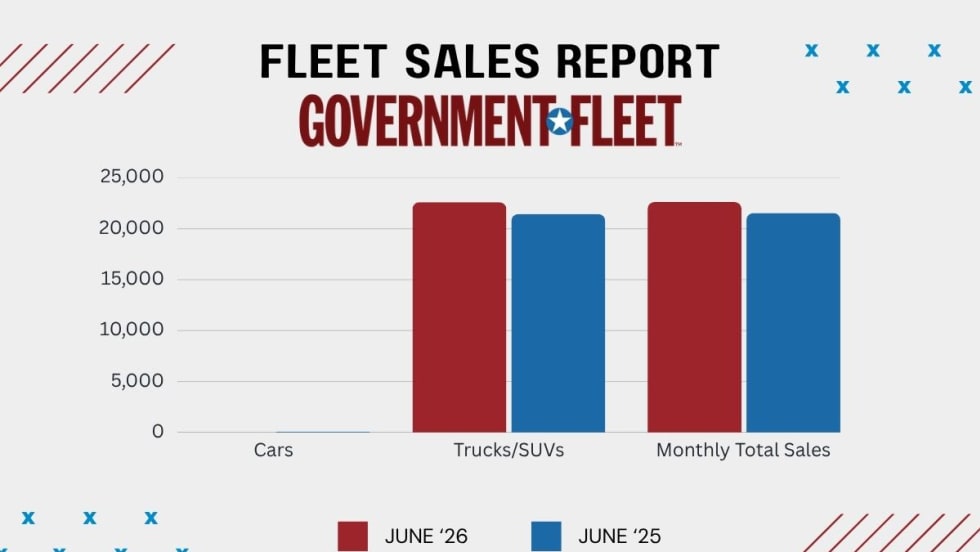
June Government Vehicle Sales See a Jump in Numbers
There were a reported 22,626 government fleet vehicles sold in June compared to 21,539 vehicles sold in June 2025.
Read More →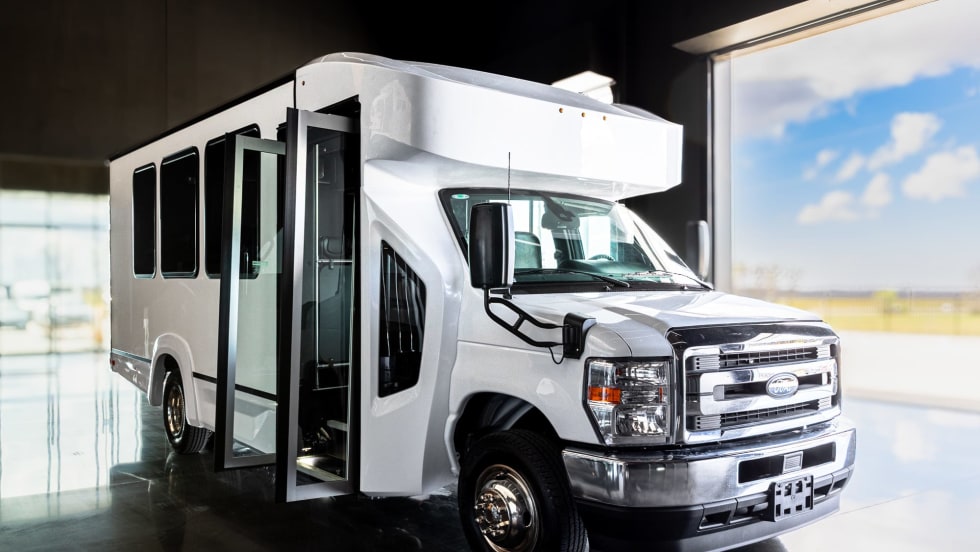
Master's Motors Introduces Shuttle Buses for Government and Commercial Fleets
Master's Motors has introduced two new shuttle bus models aimed at government and commercial fleet operators. The buses incorporate updated structural and accessibility features while offering configurable layouts for a variety of passenger transportation applications.
Read More →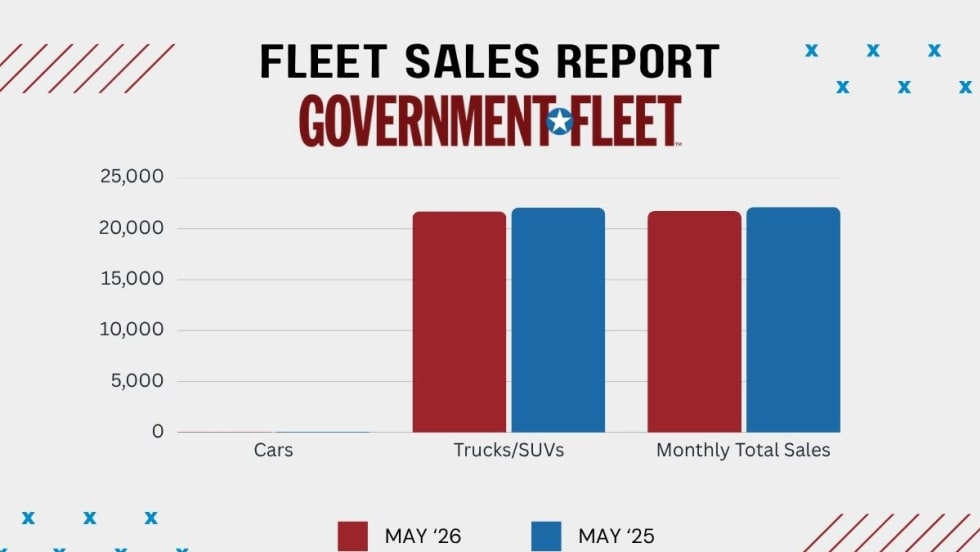
May Government Fleet Sales Slip Below 2025 Pace
Despite last month's sales increase, May vehicle numbers took a downward turn.
Read More →
April 2026 Recall Roundup: Chrysler, Lucid, & More
Are any of the vehicles in your fleet recalled? Check out the latest recalls of popular government fleet vehicles and equipment.
Read More →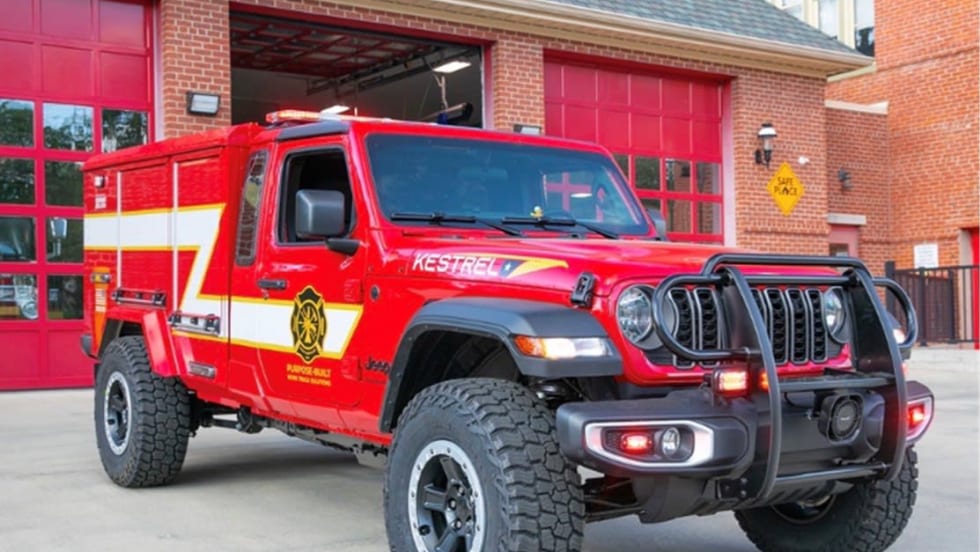
Kestrel Work Truck for First Response Debuts at FDIC 2026
Morgan Olson introduced its Kestrel platform, a compact, four-wheel-drive Class 2 work truck designed for first responders, with multiple configurations, validated safety testing, and a focus on durability and fleet lifecycle performance.
Read More →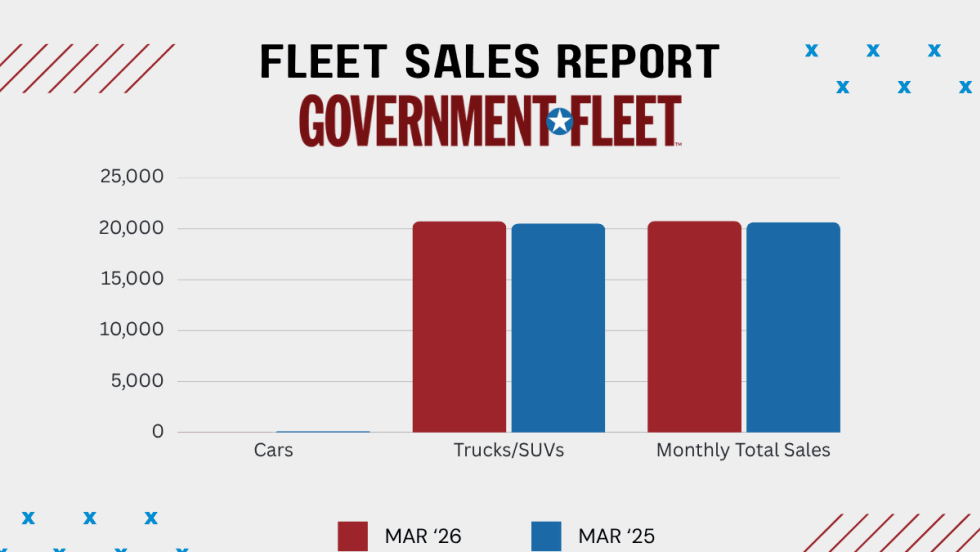
Government Fleet Vehicle Sales Rise In March
Government fleet vehicle sales increased by 1% in March, up from March 2025.
Read More →
March 2026 Recall Roundup: Ford, Kia, & More
Are any of the vehicles in your fleet recalled? Check out the latest recalls of popular government fleet vehicles and equipment.
Read More →
Reducing Risk and Improving Safety in Public Sector Fleets with Advanced Driver-Assist Technology
Public sector fleets face increasing pressure to improve safety, reduce liability, and operate efficiently. See how advanced vehicle technologies are helping agencies protect drivers, the public, and their budgets.
Read More →