




Culver Citybus Takes Delivery of the First Natural Gas Xcelsior Transit Buses
CULVER CITY, CA - Culver CityBus purchased 20 low-floor Xcelsior buses for approximately $10 million. Several of the new buses were placed in service on May 29. The remaining are expected to be in service by the end of June.
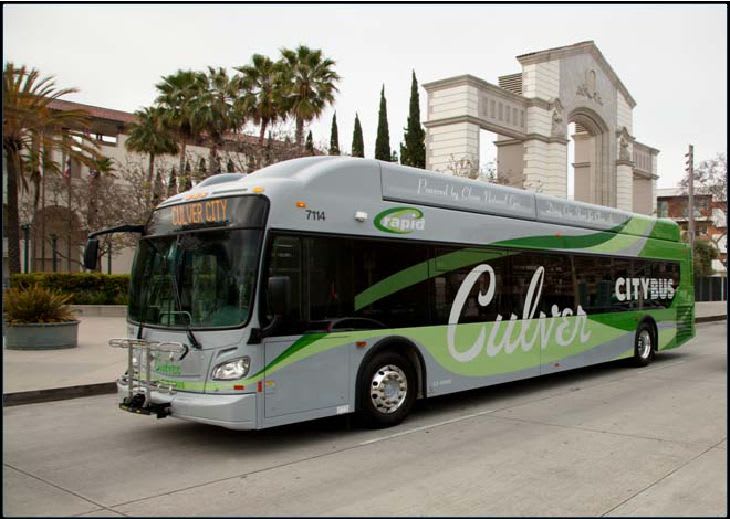
Seven natural gas tanks reside in the roof of the Xcelsior transit bus, providing a range of 450 miles. Photo courtesy of City of Culver City.
Seven natural gas tanks reside in the roof of the Xcelsior transit bus, providing a range of 450 miles. Photo courtesy of City of Culver City.
CULVER CITY, CA - Culver CityBus took delivery of the first dedicated compressed natural gas (CNG) public transit buses using the new Xcelsior Platform built by New Flyer Industries of America Inc., according to a release from the city.
Culver CityBus purchased 20 low-floor Xcelsior buses for approximately $10 million. Several of the new buses were placed in service on May 29. The remaining are expected to be in service by the end of June. The new buses will replace 20 1998 CNG New Flyer buses that are at the end of their normal life cycle of 12 years. Culver CityBus became the second public transit system in California, and the first in the south coast area, to become 100% alternative-fuel-powered in 2004.
According to Paul Condran, fleet equipment and maintenance manager for the City of Culver City, these are the first new Xcelsior buses to operate exclusively on CNG. “They also have the first all-electric HVAC, electric cooling, four-wheel disc brakes, and all LED lighting,” he said. “The seven natural gas tanks reside in the streamlined roof and it has range of 450 miles. The seating material is manufactured by America La France and is 80% recycled material. We are very excited about our new buses.”
The buses have a more sleek design, bike racks, an eight-camera surveillance system, many advanced technologies, along with new style seats. The buses were procured utilizing Federal Transit Administration 5307 grant funds, Prop 1B public transit monies, and local Prop C discretionary funds. In addition, a $300,000 grant was received through Clean Transportation Funding from the Mobile Source Air Pollution Reduction Review Committee (MSRC), whose sole mission is to fund projects that reduce air pollution from motor vehicles within the South Coast Air Quality Management District (AQMD) in Southern California.
Currently, Culver CityBus serves approximately 5.5 million passengers each year utilizing a fleet that is comprised of all New Flyer buses, the release stated.
More Green Fleet
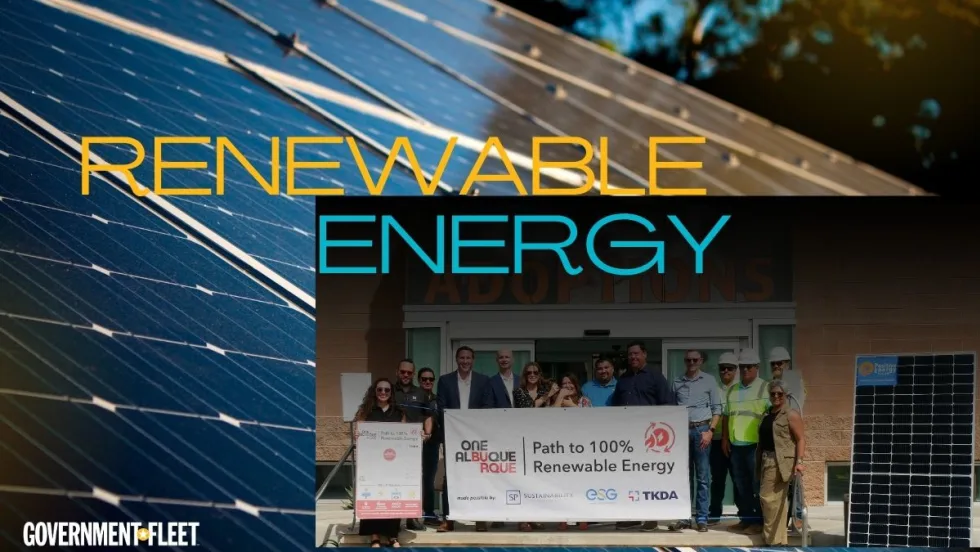
Sustainability Partners, Energy Systems Group Help Albuquerque Close the Gap on its 100% Renewable Energy Goal
The eight-site, 6 MW solar project has advanced the city toward 100% renewable energy for municipal operations.
Read More →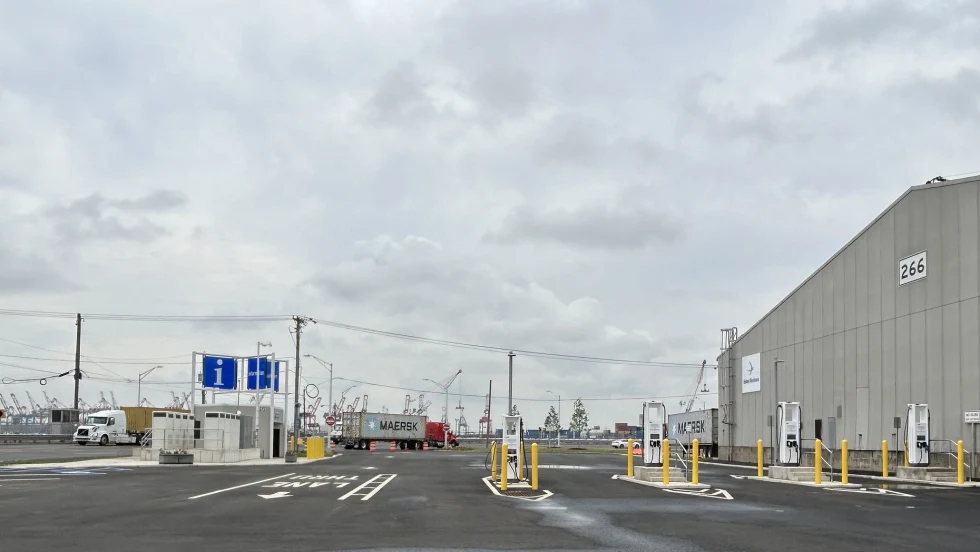
Port Authority and CALSTART Launch $45 Million Electric Truck and Charging Programs
The programs aim to boost sustainable operations across the East Coast's busiest seaport.
Read More →
Moving Government Fleets Beyond the Vehicle Purchase: EV as a Service
A discussion on how EVaaS is moving beyond pilot programs and what fleets should consider before beginning a larger deployment.
Read More →
Moving Government Fleets Beyond the Vehicle Purchase: EV as a Service
As fleets move beyond small EV pilots, Sustainability Partners CEO Adam Cain explains how EVaaS can address the infrastructure and long-term planning required for larger deployments.
Read More →
Peterbilt Expands Sourcewell Partnership with Electric Vehicle Lineup
The agreement aims to provide streamlined procurement of Peterbilt trucks for government, education, nonprofit and tribal organizations across the United States and Canada.
Read More →

EV Adoption & Charging Challenges
Where is your fleet in the journey of vehicle electrification? If you're still looking for answers to fleet electrification you've come to the right place.
Read More →
Hawaii Passes Clean Fuel Policy
Hawaii lawmakers passed clean fuel legislation that could support renewable natural gas production, biogas-powered transportation, and lower-carbon fueling options for public and commercial fleets.
Read More →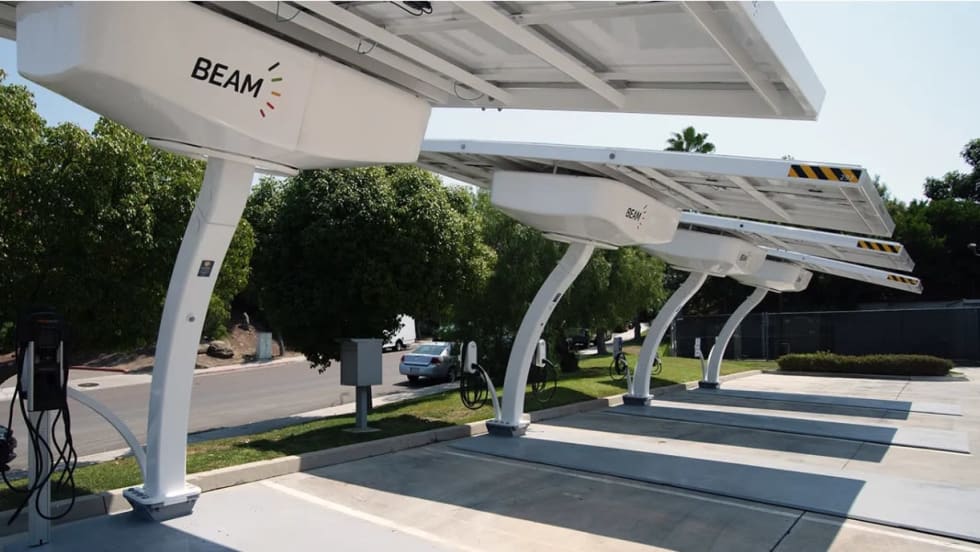
Stanislaus County Deploys Ten Beam Global EV ARC Systems to Support County Fleet Electrification
Stanislaus County deployed 10 off-grid solar-powered EV charging systems and a mobile charging trailer from Beam Global to support its electric fleet operations and emergency response flexibility.
Read More →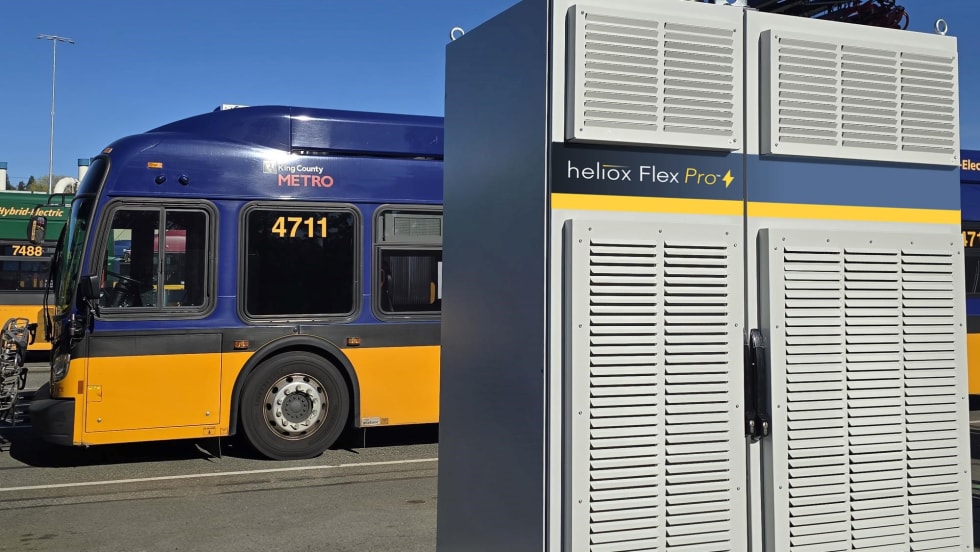
Heliox Pilots 480-kW Bus Charger with King County Metro
King County Metro is piloting Heliox’s new 480-kW Flex Pro charger to support expansion of its battery-electric bus fleet and depot charging infrastructure. The compact charging system supports pantograph and plug-in charging configurations for high-density transit operations.
Read More →